Exploring the Advantages of Stainless Steel Mixing Tanks for Food and Beverage Industries
In the rapidly evolving food and beverage industries, efficiency and hygiene remain paramount concerns for manufacturers. One innovative solution that has gained traction is the use of
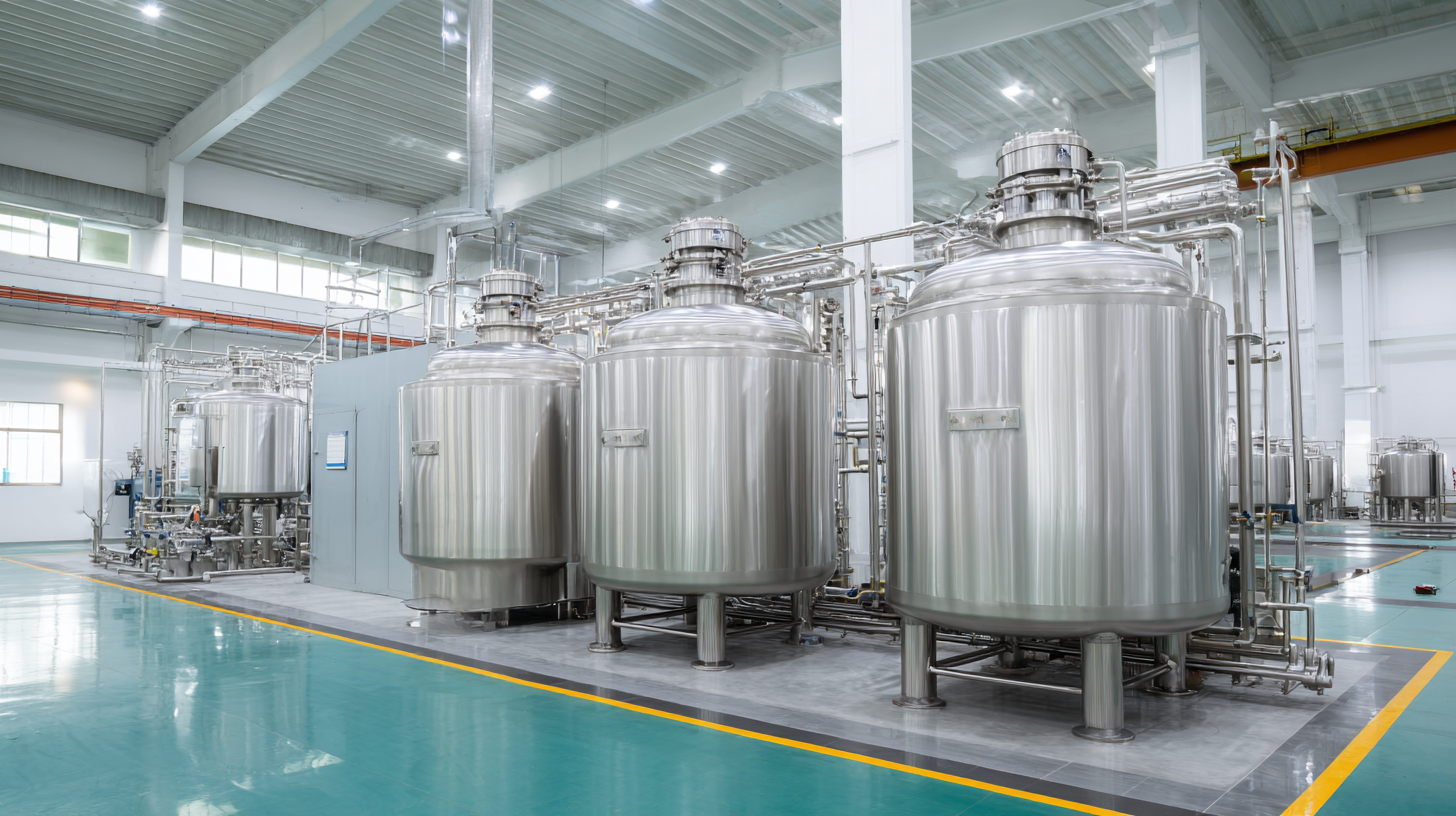
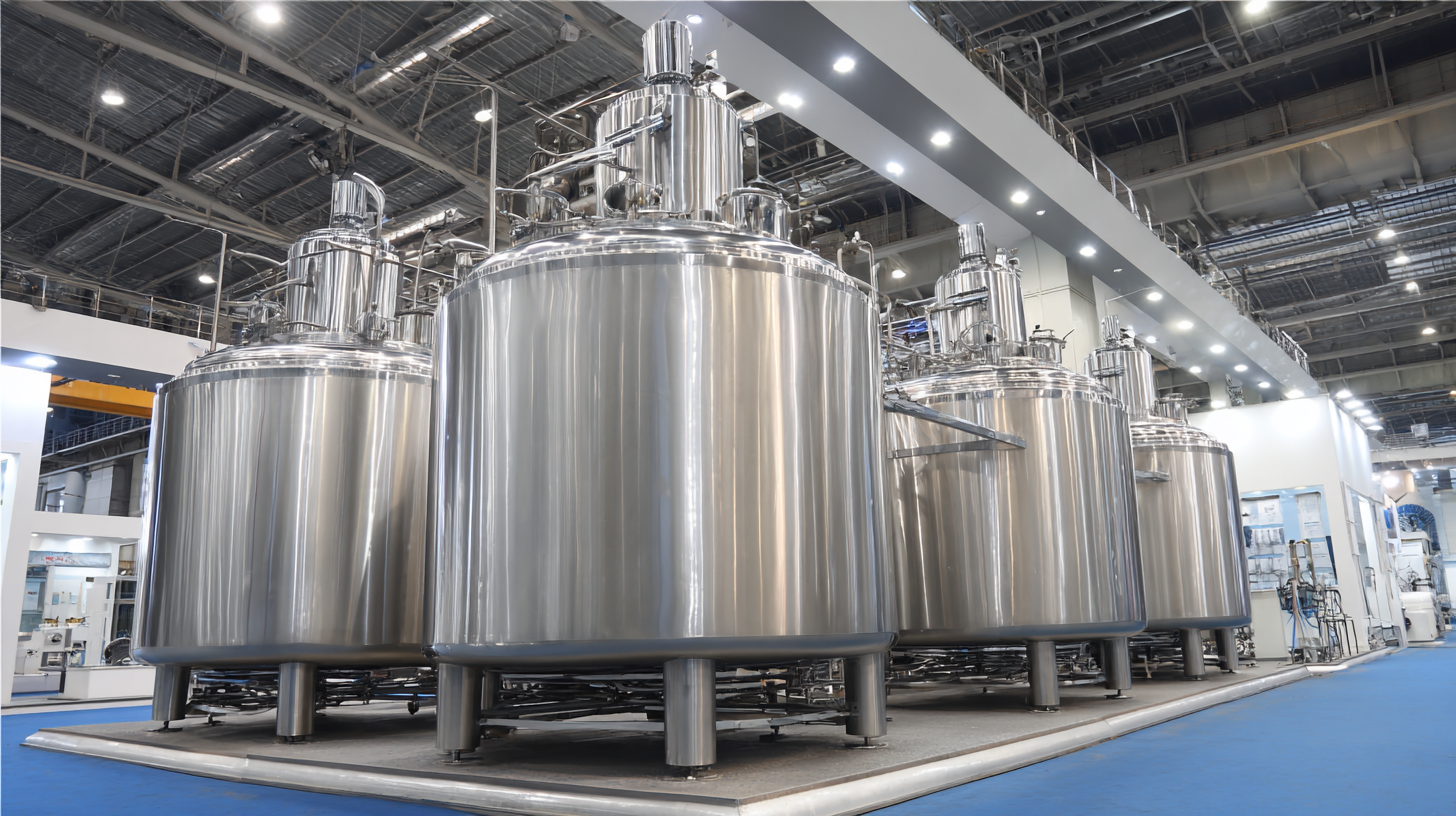
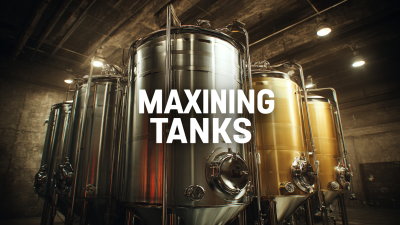
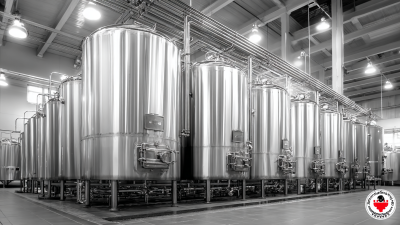
Stainless Steel Mixing Tanks. These tanks are not just mere containers; they represent a fusion of modern engineering and traditional food processing techniques, designed to enhance the quality and safety of various products.
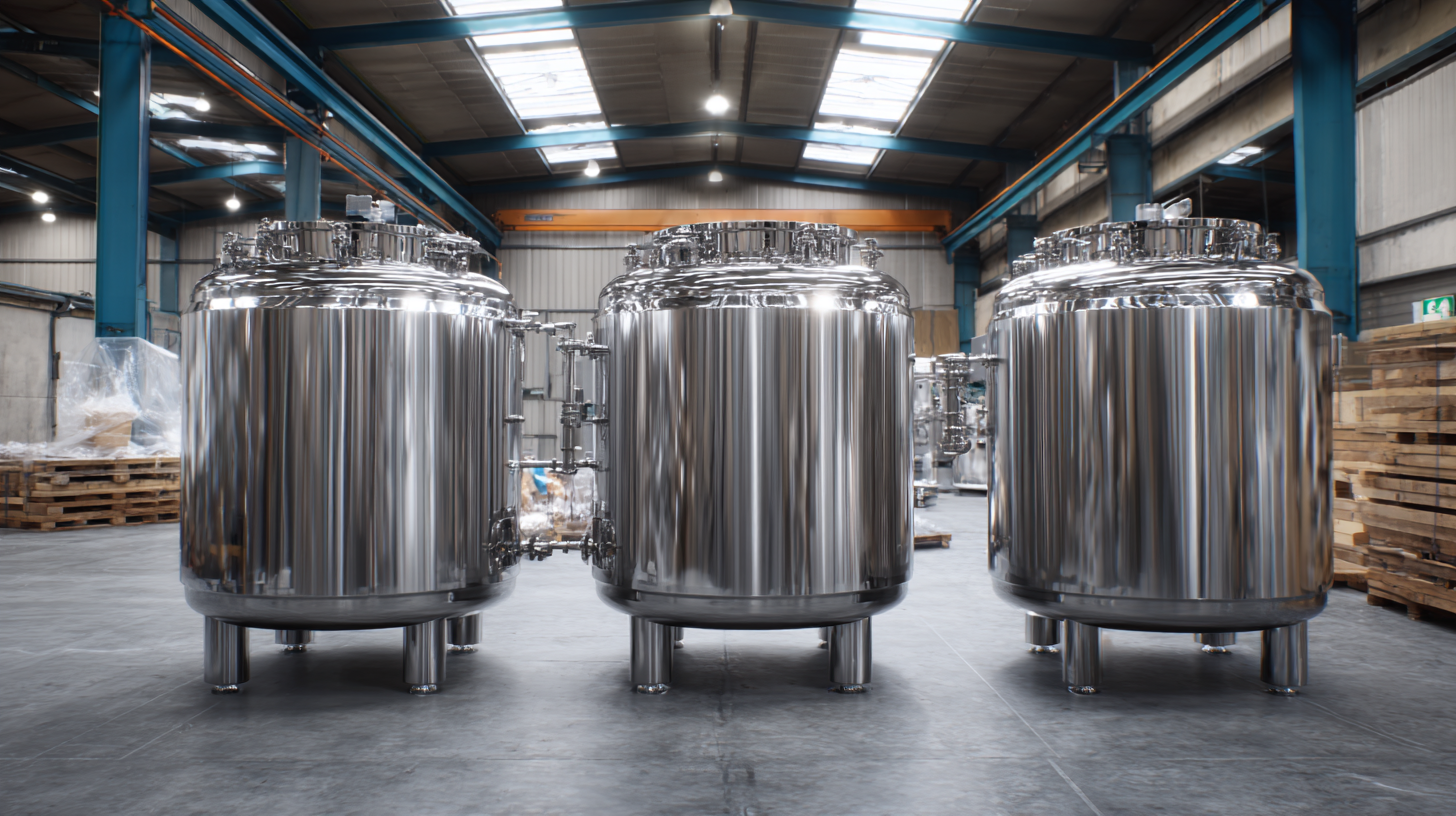
The advantages of Stainless Steel Mixing Tanks extend beyond their durability and resistance to corrosion; they also facilitate superior mixing capabilities, ensuring consistent product texture and flavor. Additionally, the ease of cleaning and maintenance of these tanks plays a crucial role in meeting stringent health regulations, making them an essential asset for any food and beverage operation.
This exploration delves into the myriad benefits that Stainless Steel Mixing Tanks bring to the table, shaping the future of production in this vital sector.
Key Considerations When Choosing Stainless Steel Mixing Tanks for Food Production
When choosing stainless steel mixing tanks for food production, several key considerations come into play. Firstly, the grade of stainless steel is crucial. Food processing operations often require tanks made from 304 or 316 stainless steel, as these grades offer excellent corrosion resistance and hygiene. The smooth surface finish of these materials makes them easier to clean and less likely to harbor bacteria, ensuring compliance with food safety standards.
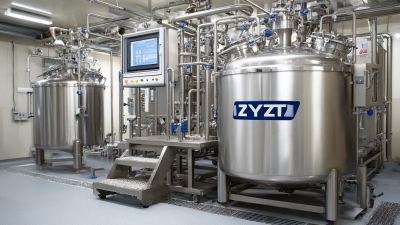
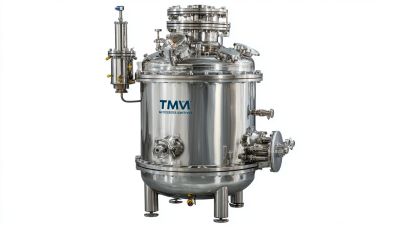
Another important factor is the tank's design and capacity. It is essential to select a mixing tank that fits well within the designated space while accommodating the volume of production required. Features such as agitator design, tank shape, and configuration can significantly impact mixing efficiency and product consistency. Additionally, incorporating features like removable lids or automated cleaning systems can enhance the operational efficiency and maintain product quality in high-demand food production environments.
Lastly, considering the thermal conductivity properties of stainless steel can also influence the choice. For processes that require temperature control, selecting insulated tanks or those with heating/cooling capabilities can facilitate maintaining optimal product conditions, ensuring quality in the final food products.
The Benefits of Corrosion Resistance in Food-Grade Stainless Steel Tanks
Food-grade stainless steel mixing tanks are essential in the food and beverage industries, particularly due to their remarkable corrosion resistance. This attribute is crucial when dealing with acidic or alkaline substances commonly found in various food processing applications. Unlike other materials, stainless steel maintains its integrity and does not corrode over time, which helps in preserving the flavor and quality of the products being mixed or stored.
In addition to protecting against corrosion, food-grade stainless steel offers hygienic benefits that are indispensable in food production settings. The non-porous surface of stainless steel prevents the accumulation of bacteria and other contaminants, ensuring a safer environment for food processing. This feature not only enhances food safety but also simplifies cleaning and maintenance, thus reducing downtime and operational costs for food manufacturers. Ultimately, the use of stainless steel mixing tanks promotes both product quality and safety, establishing them as a preferred choice in the industry.
Exploring the Advantages of Stainless Steel Mixing Tanks for Food and Beverage Industries
The chart above illustrates the key benefits of using stainless steel mixing tanks in the food and beverage industries. It highlights factors such as corrosion resistance, durability, ease of cleaning, hygienic properties, and temperature resistance, showcasing their significance in ensuring safe and efficient food processing.
Ensuring Hygiene and Compliance with Stainless Steel Mixing Solutions
In the food and beverage industry, maintaining hygiene and complying with strict health regulations are paramount. Stainless steel mixing tanks offer compelling advantages in these areas due to their non-porous surfaces and resistance to corrosion, which prevent microbial growth. According to a report by the Food Safety and Inspection Service, nearly 48 million people in the U.S. fall ill from foodborne illnesses each year, highlighting the critical importance of hygiene in food handling and production. The seamless design of stainless steel tanks ensures that there are no hidden crevices for bacteria to thrive, aligning with regulatory standards such as the FDA's food contact regulations.
Tips for maintaining hygiene in stainless steel mixing tanks include regular cleaning with food-safe sanitizers and conducting routine inspections for any signs of wear or damage. Additionally, operators should ensure that all equipment is used in compliance with Good Manufacturing Practices (GMPs) to minimize the risk of contamination. Incorporating routine staff training on hygiene protocols can also significantly enhance overall safety and compliance.
By utilizing stainless steel mixing solutions, food and beverage manufacturers can not only safeguard public health but also enhance the quality of their products. Industry studies show that equipment complying with hygiene regulations can lead to higher consumer trust and increased market share in this competitive landscape.
Comparative Analysis: Stainless Steel vs. Other Mixing Tank Materials
When evaluating mixing tank materials for the food and beverage industry, stainless steel consistently outperforms alternatives like carbon steel, plastic, and fiberglass. According to a recent industry report from Grand View Research, the global stainless steel market is expected to reach $200 billion by 2025, driven largely by its superior corrosion resistance and hygiene standards essential for food safety. Unlike carbon steel, which can rust and contaminate products, stainless steel maintains integrity under varying temperatures and harsh chemicals, ensuring that food and beverage quality is preserved.
In contrast, plastic mixing tanks may seem cost-effective but often lack durability and robustness over time. A study from Research and Markets highlights that while plastic tanks can have a lower initial investment, they frequently incur higher operational costs due to potential replacements and repairs. Furthermore, their porous nature can harbor bacteria, posing a risk in a sector where cleanliness is paramount.
Tips: When choosing a mixing tank, consider the material's compatibility with your specific food or beverage application. Opt for high-quality stainless steel that adheres to food-grade standards to enhance safety and efficiency. Always evaluate the long-term costs of maintenance and replacement when opting for less expensive materials. Investing in stainless steel may lead to greater savings and quality assurance in the long run.
Maintenance Best Practices for Long-Lasting Stainless Steel Tanks in the Beverage Industry
Proper maintenance of stainless steel mixing tanks is essential for ensuring longevity and optimal performance, especially in the beverage industry. One of the best practices is to implement a regular cleaning schedule using appropriate cleaning agents that do not harbor corrosive properties. Avoiding abrasive materials during cleaning is crucial, as they can scratch the surface and lead to rust formation. Additionally, rinsing the tanks thoroughly after each use helps remove residue that could affect the quality of future batches.
Another important aspect of maintenance is inspecting the tanks for signs of wear or damage. Regular checks for leaks, dents, and corrosion can help identify issues before they escalate, requiring costly repairs. Keeping the tanks properly lubricated at connection points and ensuring that seals are intact also contribute to their longevity. Furthermore, training staff on the importance of maintaining these tanks can foster a culture of care and responsibility, ultimately leading to increased efficiency and product safety in operations.