What is Aerosol Filling Machinery and How Does It Work?
Aerosol Filling Machinery plays a crucial role in various industries, from personal care to food products. According to Dr. Emily Chen, a leading expert in aerosol technology, "The precision of aerosol filling machinery can significantly enhance product reliability and consumer safety." This statement underscores the importance of understanding how these machines function.
The operation of aerosol filling machinery involves complex processes. These machines are designed to fill pressurized containers with liquid products, creating a fine mist or spray. They must adhere to strict safety standards to prevent leaks and ensure consistent filling. The interaction of various components in the machinery can seem overwhelming. Yet, each part has a specific role that contributes to the final outcome.
However, as with any technology, there are challenges. Mistakes in calibration or maintenance can lead to significant issues. These can affect production efficiency and product quality. Understanding these nuances is vital for manufacturers. Awareness of potential pitfalls can lead to better practices and improved machinery performance. The world of aerosol filling is intricate and demands a balance of precision and caution.
What is Aerosol Filling Machinery?
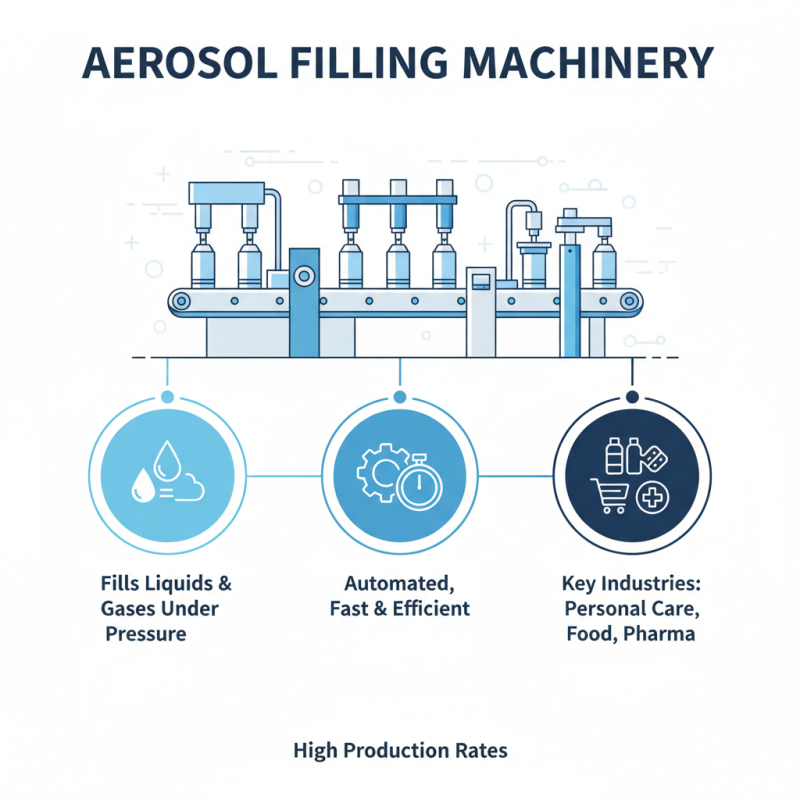
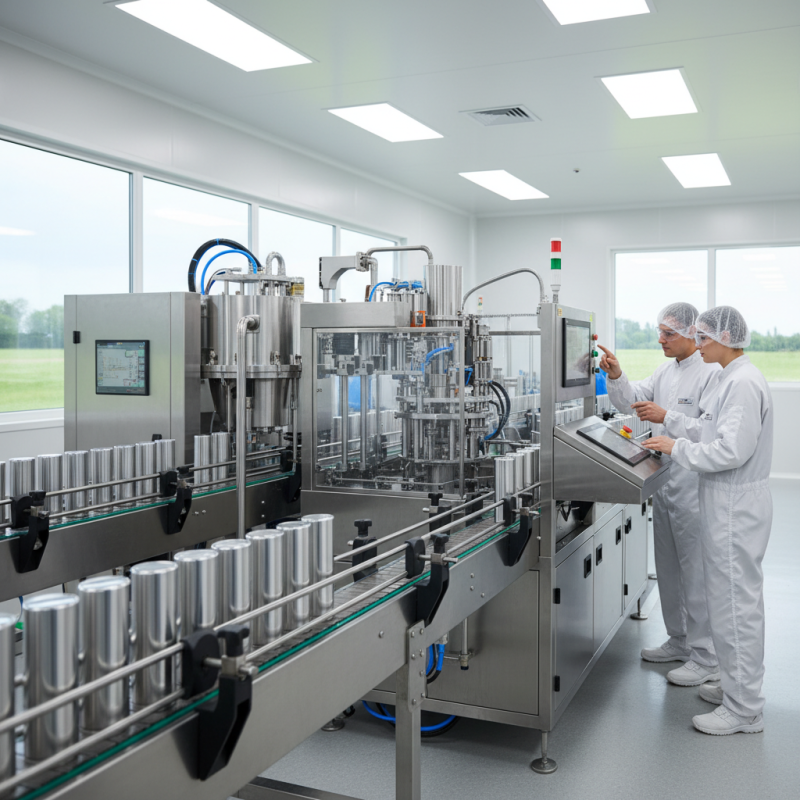
Aerosol filling machinery is a vital component in the production of aerosol products. It automates the process of filling containers with liquids or gases under pressure. This technology is crucial in sectors like personal care, food, and pharmaceuticals. The machines typically operate quickly and efficiently, enabling high production rates.
These machines work by using precise metering systems. They ensure that each container receives the correct amount of product. Some models can fill a variety of container sizes. This adaptability can be beneficial, but it may also complicate the setup and operation.
Operators must pay close attention during the filling process. Small errors can lead to waste and inconsistency. Regular maintenance is necessary for optimal performance. Understanding the functioning of aerosol filling machinery can improve production quality and efficiency. However, it requires training and experience. Making mistakes is part of the learning curve. Continuous improvement is key in mastering this technology.
Key Components of Aerosol Filling Machinery
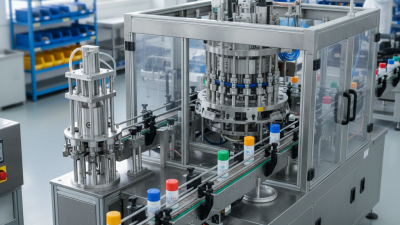
Aerosol filling machinery consists of several key components that ensure efficient operation. At its core, the filling station is crucial. It accurately dispenses the product into the aerosol containers. This part must be precise to avoid waste and ensure product integrity. The filling nozzles often need regular cleaning to maintain hygiene and efficiency.
Another essential component is the valve assembly. This section controls the release of the aerosol once filled. Proper sealing is vital to prevent leaks and maintain pressure. A poorly sealed valve can lead to product loss and safety issues. Operators should inspect these valves frequently for wear and tear.
The machinery also includes a pressure system. This system ensures that the contents are kept under the right conditions. However, balancing pressure can be challenging. Too much pressure may cause explosions, while too little can affect product quality. Regular monitoring is necessary to identify any inconsistencies. Every component plays a significant role in achieving a successful aerosol filling process. Maintaining them requires attention and expertise.
Aerosol Filling Machinery Performance Metrics
This chart illustrates the key performance metrics of aerosol filling machinery, including operational speeds, efficiency, downtime, and error rates. The values are indicative of optimal performance standards in the industry.
The Working Principle of Aerosol Filling Machines
Aerosol filling machines are essential in various industries, including cosmetics, pharmaceuticals, and food production. These machines operate under specific principles. The core process involves filling pressurized containers with liquid or gas. The liquid is usually stored in a tank, then transferred into the canister through a filling valve. This step requires precision to avoid wastage.
The working principle hinges on maintaining pressure. The filling heads are carefully designed to ensure uniform filling. According to a recent industry report, the aerosol market is expected to grow at a rate of 4.5% annually. This trend increases the demand for efficient aerosol filling machinery. It's crucial that the machines operate efficiently to minimize costs and ensure consistent product quality.
While the technology is advancing, challenges remain. Systems can malfunction or produce inconsistent fills, which affects product reliability. Regular maintenance is crucial to mitigate these risks. Some manufacturers may overlook this, leading to production delays. Investing in quality machinery and understanding its operation is paramount for long-term success.
Types of Aerosol Filling Equipment
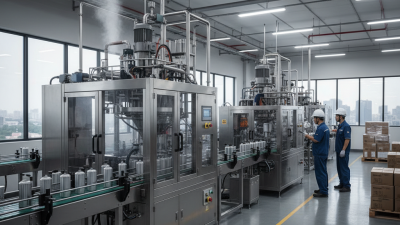
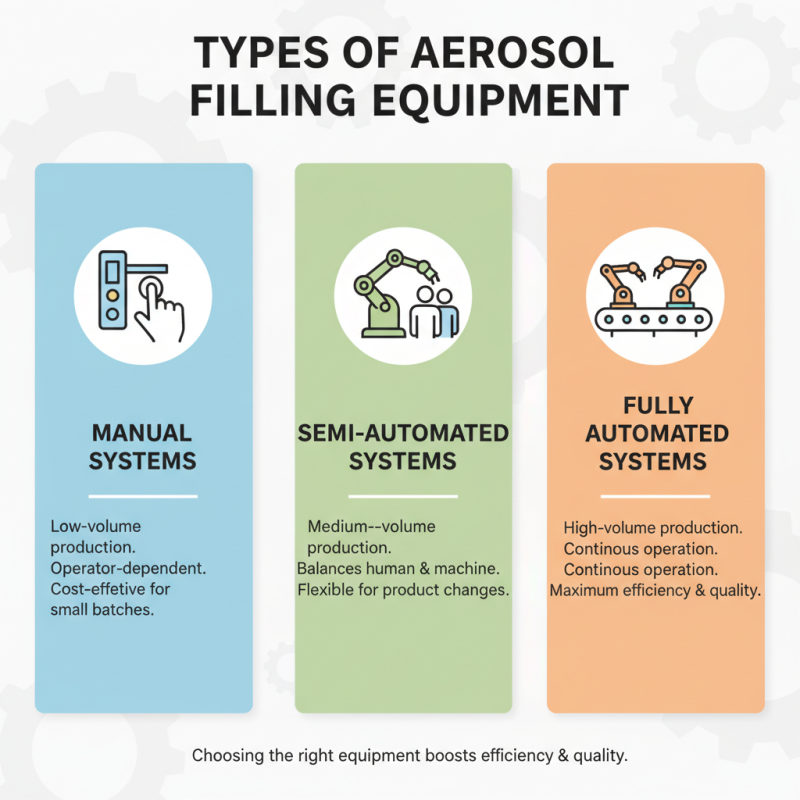
Aerosol filling equipment plays a crucial role in the production of numerous consumer and industrial products. Various types of machines are designed to cater to the specific needs of different industries. Manual, semi-automated, and fully automated systems are among the common types available. Each type has its advantages and limitations that manufacturers must consider to enhance efficiency and maintain quality.
Manual aerosol filling machines are often used by small businesses or for niche products. They require human intervention, which may lead to inconsistencies in the filling process. Semi-automated systems offer better control and can improve output significantly, but they come with higher initial costs. These machines often handle various container sizes and types, adapting technology to meet specific production needs.
Fully automated aerosol filling lines incorporate advanced technologies and robotics. They enhance productivity but come with substantial investments and operational costs. According to a recent market report, the global aerosol filling machinery market is projected to reach approximately $1.5 billion by 2025. This growth signals an increasing demand for efficient, high-capacity systems. However, navigating the fine balance between automation and flexibility is vital. Manufacturers must weigh costs against production demands and quality control challenges to optimize their operations.
Applications and Industries Utilizing Aerosol Filling Machines
Aerosol filling machines play a crucial role in several industries. These machines efficiently fill containers with products like spray paints, air fresheners, and personal care items. The ability to create a fine mist or aerosol is essential for effective application. The food and beverage sector also utilizes these machines for whipped creams and cooking oils. The versatility of aerosol filling is remarkable.
In the cosmetics industry, aerosol technology is vital. Products such as deodorants and hair sprays depend on precise filling methods. Manufacturers must ensure accurate dosing and consistent pressure. Any deviation could lead to product failure. Many companies face issues with inconsistent fill levels, impacting customer satisfaction.
Additionally, the pharmaceutical industry is increasingly adopting aerosol filling machines. Inhalers for asthma and respiratory conditions rely on this technology. Maintaining sterility and precision is critical in this sector. However, some manufacturers struggle with compliance and equipment maintenance. Balancing efficiency with quality control remains a challenge. It requires constant vigilance and reflection.
What is Aerosol Filling Machinery and How Does It Work? - Applications and Industries Utilizing Aerosol Filling Machines
| Application |
Industry |
Machine Type |
Filling Capacity (units/hour) |
Typical Products |
| Personal Care Products |
Cosmetics |
Semi-Automatic |
300 |
Deodorants, Hair Sprays |
| Household Cleaning |
Chemicals |
Fully Automatic |
1000 |
All-Purpose Cleaners, Air Fresheners |
| Food and Beverage |
Food Industry |
High-Speed |
1500 |
Whipped Cream, Cooking Sprays |
| Pharmaceuticals |
Healthcare |
Compact |
200 |
Inhalers, Topical Sprays |
| Industrial Applications |
Manufacturing |
Heavy-Duty |
500 |
Lubricants, Coatings |