Top Features of Bag on Valve Filling Machines You Should Know?
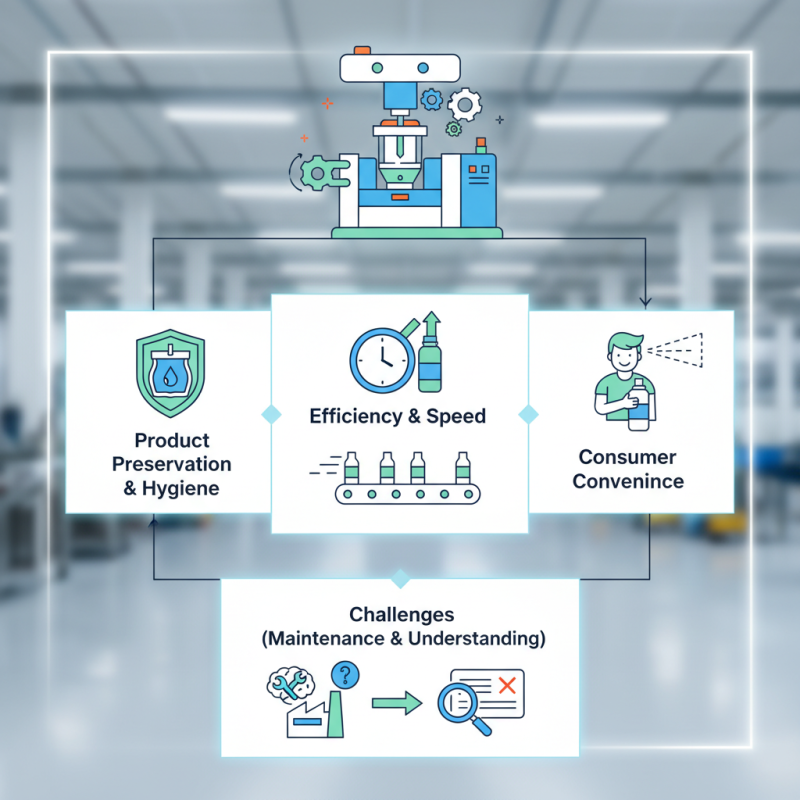
In the competitive landscape of modern manufacturing, the bag on valve filling machine has emerged as a crucial technological advancement. Experts agree on its importance. John Smith, a leading expert in packaging technology, emphasizes, “The efficiency of a bag on valve filling machine revolutionizes how we handle liquid products.” This innovation not only enhances product preservation but also improves consumer convenience.
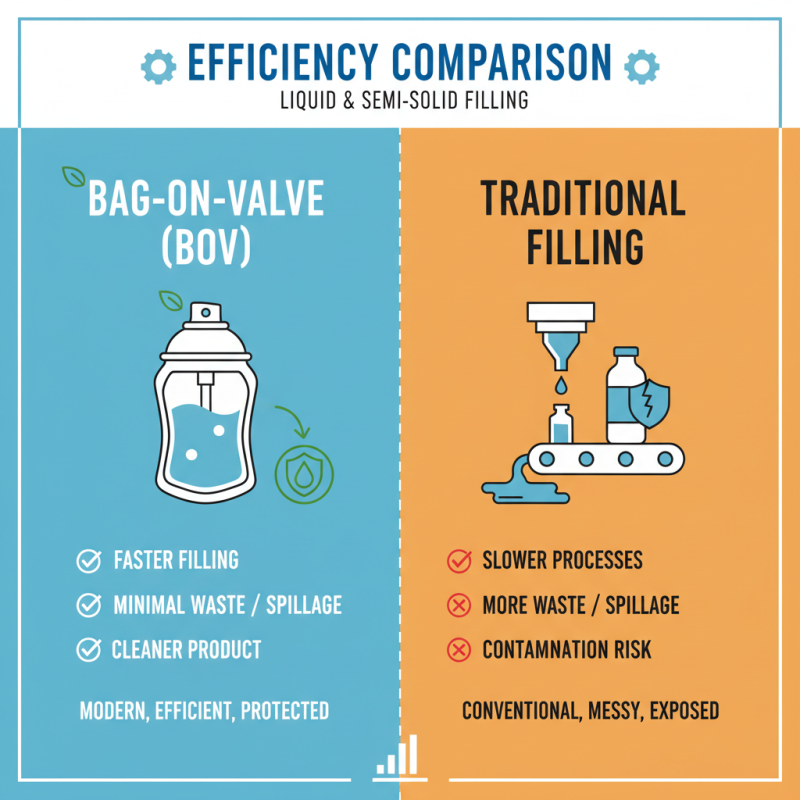
The bag on valve filling machine is designed to provide superior filling performance. Its unique structure enables the creation of a barrier between the product and the environment. This feature prevents contamination, ensuring that products remain fresh longer. It's essential for industries like cosmetics and food where hygiene is paramount.
Despite its advantages, some challenges persist. For instance, not every manufacturer fully understands how to utilize this technology. Some struggle with maintenance and operational efficiency. Addressing these gaps is crucial for maximizing the benefits of the bag on valve filling machine in various applications.
Understanding Bag on Valve Technology and Its Advantages
Bag on Valve (BOV) technology is revolutionizing packaging in various industries. This method allows for efficient dispensing of products while maintaining their integrity. According to a recent market report, the global aerosol can market, which includes BOV systems, is projected to reach $71 billion by 2025, emphasizing the growing adoption of this innovative technology.
One major advantage of BOV technology is its ability to keep products free from contamination. The bag within the valve separates the product from the propellant. This mechanism ensures that the product never comes into contact with chemical propellants. As a result, products remain pure and maintain their original quality. Industry studies have shown that this method can extend shelf life by up to 30%, a significant benefit for manufacturers and consumers alike.
Additionally, BOV systems promote sustainability. They utilize a smaller amount of propellant and reduce waste. However, manufacturers must be aware of the complexities associated with BOV technology. Developing an effective sealing mechanism can be challenging. Proper training is essential for operators to minimize errors during the filling process. Overall, understanding the nuances of BOV technology can lead to better implementation and improved product offerings.
Key Components of Bag on Valve Filling Machines Explained
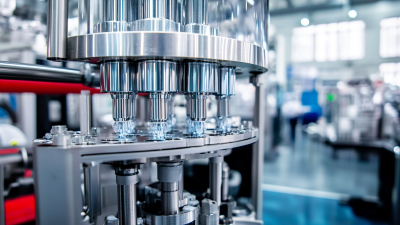
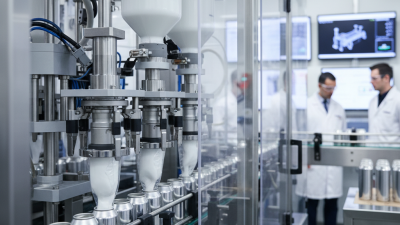
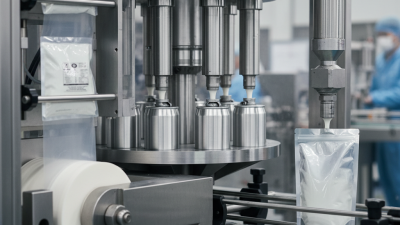
Bag on valve filling machines are vital in the packaging industry. They offer precision and efficiency. Understanding their key components helps optimize usage.
One crucial part is the bag itself. It holds the product and creates a barrier. This design preserves freshness and prevents contamination. The valve mechanism is another key feature. It ensures easy dispensing without mess. Operators appreciate its user-friendly design.
Additionally, the machine often includes advanced sensors. These help regulate filling, reducing waste.
However, choosing the right configuration can be challenging. Some designs might not suit every product. Operators may struggle with maintenance, affecting downtime. It's essential to regularly check seals and valves. Doing so ensures optimal performance. Understanding these components allows for better decisions in the production process.
Market Trends: Growth and Demand for Bag on Valve Solutions
The Bag on Valve (BOV) filling technology is experiencing significant growth in the market. Recent reports indicate that the global BOV market is projected to grow at a CAGR of 5.6% from 2022 to 2030. The rising demand for sustainable packaging solutions is a key driver of this growth. Many industries are increasingly adopting BOV solutions due to their ability to deliver exceptional convenience and product safety.
One interesting trend is that consumers are favoring products that reduce waste. BOV filling machines allow for maximum product evacuation, minimizing waste and ensuring that consumers receive every drop of the product. This aligns with the global push towards sustainability and environmentally friendly packaging. Moreover, the ability of BOV systems to maintain product integrity is crucial. This technology protects sensitive ingredients from contamination, a major concern in food and personal care sectors.
However, the adoption of BOV technology isn’t without challenges. Investment costs can be high for manufacturers transitioning from traditional filling methods. Additionally, training staff to properly operate these advanced machines requires time and resources. As the market expands, businesses must weigh the benefits against these potential drawbacks. Ultimately, understanding these trends is vital for companies aiming to enhance their production efficiency and meet evolving consumer needs.
Market Trends: Growth and Demand for Bag on Valve Solutions
Maintenance Best Practices for Bag on Valve Filling Equipment
Maintaining Bag on Valve (BOV) filling equipment is essential for ensuring product quality and operational efficiency. Regular inspection of components can prevent major failures. Inspect seals for wear and tear. Replace them when necessary to avoid leaks. Keeping the filling nozzles clean is vital. Clogs can occur and disrupt the filling process, leading to inconsistencies.
Routine calibration of the filling machine is another key practice. This ensures accuracy in volume measurements. A poorly calibrated system can lead to product waste or inadequate filling. Operators should document calibration activities. This creates a reliable history of maintenance efforts, supporting accountability.
Equipment should be cleaned according to the manufacturer’s guidelines. Accumulated residues can lead to contamination and performance issues. Staff training on proper cleaning techniques is also important. Regular training ensures that everyone adheres to best practices. Despite meticulous procedures, occasional errors are inevitable. Reflecting on these moments can lead to improved methods. Identifying weaknesses in training or procedures is part of a continuous improvement approach.