Top 10 Benefits of Using Stainless Steel Mixing Vessels?
In the world of food processing and manufacturing, the choice of equipment is critical. The Stainless Steel Mixing Vessel stands out as a reliable option for various industries. These vessels are known for their durability and resistance to corrosion. This is particularly important in environments where cleanliness and sanitation are paramount.
Stainless Steel Mixing Vessels offer several advantages that enhance productivity. They can handle a variety of materials, from liquids to powders, without compromising quality. Their smooth surfaces make them easy to clean, ensuring compliance with health standards. Furthermore, the heat resistance of stainless steel allows for versatile applications.
While there are alternatives, such as plastic or glass, they may not offer the same level of reliability. A Stainless Steel Mixing Vessel not only improves operational efficiency but also adds a layer of trust in product safety. Investing in these vessels can lead to long-term benefits. Reflecting on these attributes can help businesses make informed choices regarding their mixing processes.
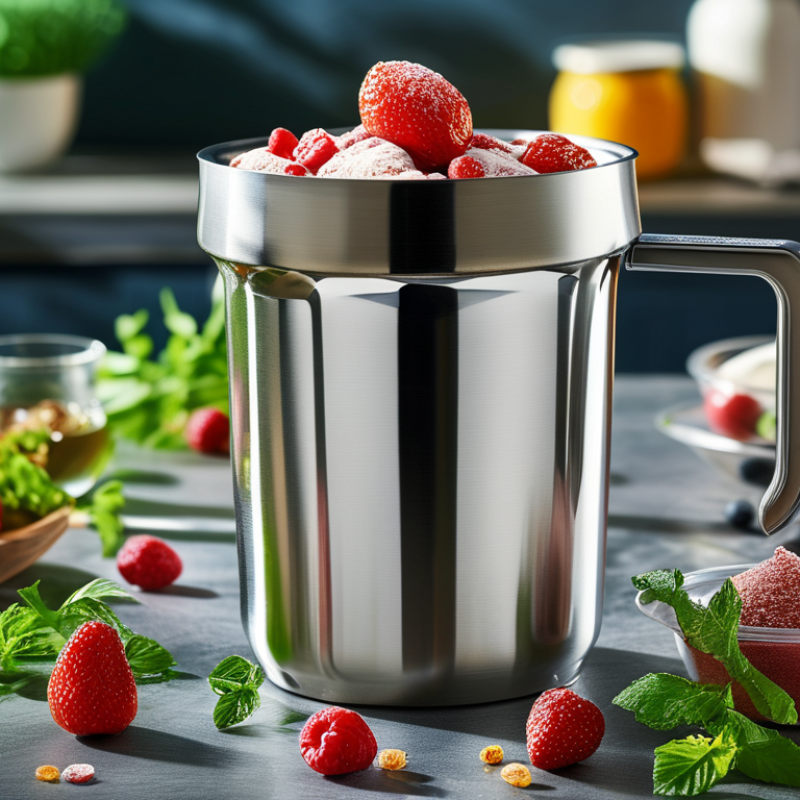
Benefits of Stainless Steel Mixing Vessels in Food Processing
Stainless steel mixing vessels have become essential in food processing due to their numerous advantages. The use of stainless steel in food production is backed by significant data. According to a report by the USDA, stainless steel vessels are resistant to corrosion, maintaining food safety standards. This is crucial in avoiding contamination, as even small amounts of rust can compromise food quality.
These vessels are easy to clean and sanitize, a key factor in maintaining hygiene in food processing. The Food Safety and Inspection Service states that clean equipment reduces the risk of foodborne illnesses. This reliability is vital in a sector where consumer health is paramount.
Tip: Regularly inspect your mixing vessels for any signs of wear. A small crack can harbor bacteria, undoing all your sanitation efforts.
Stainless steel also ensures better durability than alternatives like plastic. The lifespan of stainless steel equipment can exceed 20 years with proper care. However, some users find the initial cost high. Over time, the investment pays off through longevity and reduced maintenance. Ensuring the right vessel size for your mixing needs can also impact efficiency. Making the wrong choice could lead to processing delays.
Tip: Calculate your production volume accurately before purchasing. This can prevent costly mistakes down the line.
Durability and Longevity of Stainless Steel in Industrial Applications
Stainless steel is a material known for its exceptional durability and longevity in various industrial applications. It resists corrosion, making it ideal for mixing vessels that handle a wide range of substances. Unlike materials that deteriorate over time, stainless steel retains its strength and integrity. This feature is crucial in maintaining the quality of products processed within these vessels.
Furthermore, stainless steel’s ability to withstand extreme temperatures and pressures extends its lifespan significantly. This means fewer replacements and lower long-term costs for businesses. While it may require a higher initial investment, the overall durability pays off. The longevity of stainless steel mixing vessels often exceeds that of their plastic or glass counterparts, making them a smarter choice in the long run.
However, not all stainless steel is created equal. Some grades perform better under specific conditions than others, necessitating careful selection based on the intended application. This complexity requires insight and expertise, underscoring the importance of reliable industry knowledge. Choosing the right vessel involves understanding both the material properties and the specific needs of the processing environment. This nuanced approach helps mitigate risks associated with inferior materials, ensuring optimal performance and reliability.
Chemical Resistance of Stainless Steel for Safe Mixing
Chemical resistance is a vital property for mixing vessels used in various industries. Stainless steel vessels are particularly advantageous due to their ability to withstand aggressive chemicals. This ensures safe mixing without compromising the integrity of the materials. For example, acids and bases that typically corrode other materials have minimal impact on stainless steel, making it a preferred choice for many chemical processes.
However, while stainless steel is robust, it is not invincible. Certain extreme chemicals can still cause damage over time. It's essential to choose the right grade of stainless steel based on specific chemical interactions. Conducting thorough research is crucial; understanding the exact composition of materials can prevent unforeseen issues. Regular inspections, though time-consuming, can also help identify any signs of wear.
Using stainless steel vessels also facilitates easier cleaning. Their smooth surfaces reduce the risk of contamination. This property is particularly beneficial in food and pharmaceutical applications where hygiene is paramount. Yet, over-reliance on these benefits can lead to neglect in maintenance. Ensuring vessels are cleaned properly after use is key to maintaining their longevity and performance.
Top 10 Benefits of Using Stainless Steel Mixing Vessels
| Benefit |
Description |
| Corrosion Resistance |
Stainless steel provides excellent resistance to corrosion, ensuring longevity in chemical mixing applications. |
| Durability |
Designed to withstand harsh environments, stainless steel vessels can endure high pressures and temperatures. |
| Easy to Clean |
The smooth surface of stainless steel minimizes the risk of contamination and allows for easy cleaning. |
| Non-Reactive |
Stainless steel does not react with most chemicals, making it ideal for sensitive formulations. |
| Weight Advantage |
Lighter than other metal options, stainless steel mixes are easier to handle and transport. |
| Versatility |
Stainless steel vessels are suitable for a variety of applications across different industries. |
| Recyclability |
Stainless steel is 100% recyclable, making it an environmentally friendly choice. |
| Aesthetic Appeal |
The sleek appearance of stainless steel enhances the visual appeal of facilities. |
| Cost-Effectiveness |
Though the initial investment is higher, long-term maintenance and durability reduce overall costs. |
| Safety |
Stainless steel is a non-toxic material, ensuring safety during mixing processes. |
Hygienic Properties of Stainless Steel for Enhanced Product Quality
Stainless steel mixing vessels play a crucial role in industries requiring high hygiene standards. The hygienic properties of stainless steel significantly enhance product quality. Unlike other materials, stainless steel is non-porous, which prevents bacteria growth. Its surface is easy to clean and sanitize. According to a report by the Food and Drug Administration (FDA), stainless steel reduces contamination risks by over 99%. This is essential in food processing and pharmaceutical applications.
One benefit of stainless steel is its resistance to corrosion. Unlike other metals, it does not rust, ensuring food safety and product integrity. This rust resistance leads to longer equipment lifespans and lower maintenance costs. Companies can save significantly over years of operation. Additionally, stainless steel can withstand high temperatures, which is vital during processes like sterilization.
Tip: Regular cleaning and maintenance procedures for stainless steel vessels can further enhance their longevity. Inspect seals and joints frequently to avoid any possible contamination.
Though stainless steel is superior, it requires a learning curve for optimal use. Operators need proper training to maintain hygiene standards. It's crucial to avoid using abrasive cleaners that can scratch the surface. Over time, scratches can harbor bacteria, negating some hygienic advantages. Investing in training can prevent such pitfalls, ensuring the highest product quality.
Top 10 Benefits of Using Stainless Steel Mixing Vessels
This chart illustrates the top benefits of using stainless steel mixing vessels, highlighting their superior hygienic properties, durability, and overall efficiency in various applications.
Cost-Effectiveness of Stainless Steel Mixing Vessels Over Time
Stainless steel mixing vessels are renowned for their durability. This material resists rust and corrosion, ensuring longevity. Over time, this longevity translates into cost savings. Unlike plastic or glass, stainless steel requires less frequent replacements. Businesses save on both repair costs and downtime.
With maintenance, stainless steel outperforms other materials. A simple routine cleaning keeps these vessels in optimal condition. In contrast, glass can chip, and plastic can warp. While the initial investment might seem high, stainless steel pays off in the long run.
Many companies may overlook the hidden expenses in their choices. Cheap materials can lead to quality issues, requiring more resources for repairs. This reflects a need for better decision-making in equipment purchases. Stainless steel's efficacy shines when you consider value over time. Beyond its resilience, the aesthetic appeal may also influence a buyer’s choice.