What is a Chemical Mixture Machine and How Does it Work?
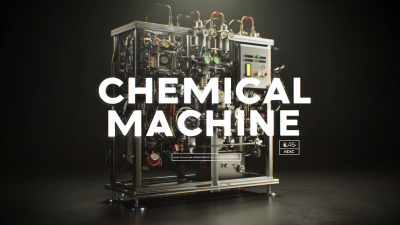
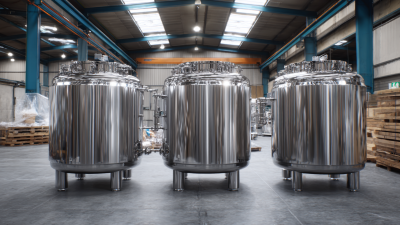
A Chemical Mixture Machine plays a pivotal role in various industries. It is essential for creating uniform blends of materials. These machines combine different substances to achieve the desired chemical and physical properties.
Understanding how a Chemical Mixture Machine operates is crucial for those in manufacturing and laboratory settings. The machine employs various mechanisms to mix, such as agitation or stirring. These processes help ensure that each ingredient distributes evenly. Users often seek reliable machines that enhance productivity and maintain quality.
Despite advancements, challenges persist. Selecting the correct machine can be daunting. Users need to consider factors like material compatibility and mixing time. It’s vital to choose wisely, as improper mixing can lead to subpar product quality. In an ever-evolving industry, staying informed about the latest technologies in Chemical Mixture Machines is vital for success.
Definition of a Chemical Mixture Machine and Its Purpose
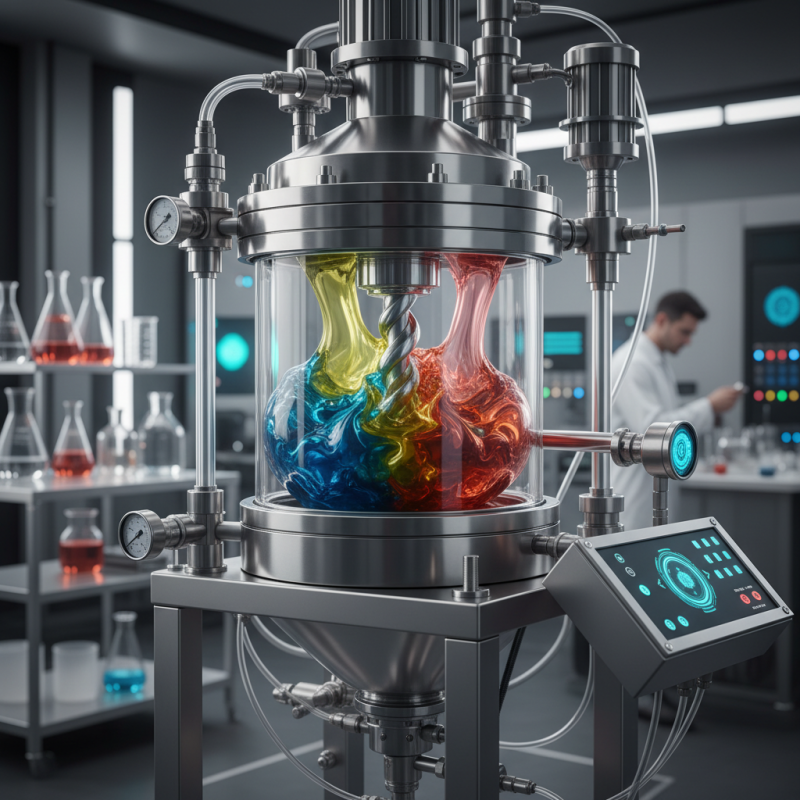
A chemical mixture machine is an essential tool in various industries. It combines different chemical components to produce desired products. These machines play significant roles in sectors such as pharmaceuticals, agriculture, and food processing. They ensure consistency and quality in mixtures, which is crucial for safety and efficacy.
Research shows that the global chemical mixing equipment market is projected to reach $3.5 billion by 2025, indicating a strong demand. These machines provide controlled environments for blending. They maintain necessary temperature and pressure to achieve optimal reactions. However, not all machines perform flawlessly. Some batches may not meet specifications, leading to waste and inefficiency.
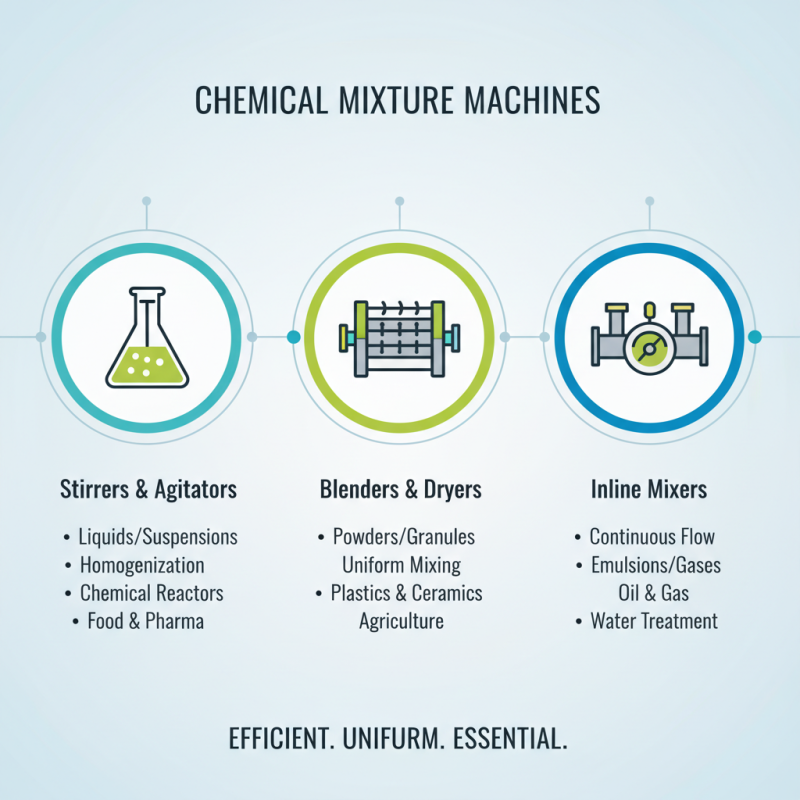
Different machines cater to specific needs, like powder to liquid mixing or granule blending. Users sometimes find it challenging to select the right machine due to diverse applications. Industry experts recommend evaluating specific needs before purchase. Despite this, selection errors occur frequently, reflecting a gap in understanding. There is a need for ongoing training on equipment operation and maintenance.
Key Components and Mechanisms of a Chemical Mixture Machine
A chemical mixture machine is essential in various industries. It combines different substances to create uniform mixtures. Understanding its key components enhances our grasp of its functionality.
The heart of a chemical mixture machine is its mixing chamber. In this chamber, substances collide and interact. Agitation mechanisms, such as paddles or blades, facilitate this process. These components ensure thorough mixing, yet their efficiency can vary. Some machines struggle with larger volumes.
Another critical element is the control system. This system regulates speed and temperature, adjusting them according to specific requirements. User feedback is vital here. Sometimes, the settings don’t produce the desired consistency. Operators may need to fine-tune parameters to achieve optimal results. Understanding these nuances is essential for better outcomes.
What is a Chemical Mixture Machine and How Does it Work?
| Component |
Description |
Function |
Common Applications |
| Mixer Agitator |
A device that stirs or mixes substances in a container. |
Ensures uniform mixing of chemical components. |
Paints, pharmaceuticals, food processing. |
| Control Panel |
Interface for operators to control the machine settings. |
Allows for user input and monitoring of processes. |
Used in all sorts of automated machinery. |
| Feeding System |
Mechanism that delivers raw materials into the mixer. |
Ensures precise and consistent material input. |
Bulk chemical production, food industry. |
| Heating/Cooling Jacket |
Temperature control system surrounding the mixing chamber. |
Regulates the temperature for optimal reactions. |
Chemical synthesis, polymerization processes. |
| Discharge Valve |
Mechanism for expelling the mixed product from the machine. |
Facilitates smooth transfer of finished mixtures. |
Packaging, batching processes in various industries. |
The Process of Mixing Chemicals: Step-by-Step Breakdown
Mixing chemicals is a precise process that demands attention to detail. The first step involves careful measurement. Each chemical must be accurately weighed. A digital scale often aids in achieving the right proportions. Precision ensures that the mixture performs as expected.
Next comes the actual mixing phase. This can vary based on the chemicals involved. Some need gentle stirring, while others require vigorous agitation. Mechanical mixers are commonly utilized in laboratories and industry. They ensure a uniform blend, but it's crucial to monitor the speed and duration of mixing. Over-mixing can sometimes lead to undesirable changes.
After mixing, quality control plays a vital role. Samples should be tested for consistency and effectiveness. However, issues may arise during this stage. Sometimes, unexpected reactions can occur. These can signal problems in the mixing process or with the raw materials used. Hence, maintaining accurate records of each step can help identify potential improvements or adjustments.
Safety Considerations and Best Practices for Operating Mixing Machines
Operating mixing machines involves several safety considerations that cannot be overlooked. Proper training is vital for all personnel. They must understand the machine's functions and risks. Wearing appropriate personal protective equipment (PPE) is also crucial. This includes gloves, goggles, and face shields to guard against splashes or particles.
Regular maintenance of the mixing machine is essential for safe operation. Check for any signs of wear and tear, including loose parts or leaks. Properly calibrate mixing speeds to avoid creating hazards. It’s important to ensure that the workspace is clear of unnecessary items to prevent accidents.
Emergency shut-off features should be easily accessible. Before starting, inspect the area for any potential hazards. Stay attentive while operating the machine; distractions can lead to mistakes. Encourage a culture of safety where team members speak up about unsafe conditions. Reflection on past incidents can pave the way for better practices in the future. Being proactive about safety can significantly mitigate risks in the workplace.
Chemical Mixture Machine Performance Metrics
This bar chart illustrates the efficiency and safety metrics recorded for chemical mixture machines over different operational conditions. The data represents the average performance ratings for speed, accuracy, and safety across various scenarios.