Why Choose an Agitator Mixer Tank for Your Industrial Needs?
In the industrial landscape, the choice of mixing equipment is crucial. An Agitator Mixer Tank plays a vital role in mixing, blending, and processing materials across various sectors. According to a recent industry report by Grand View Research, the global market for industrial mixing equipment is projected to reach $8 billion by 2025. This underscores the growing importance of efficient mixing solutions.
Experts emphasize the benefits of Agitator Mixer Tanks. Dr. Emily Foster, a leading specialist in industrial mixing technologies, states, "An Agitator Mixer Tank is essential for achieving uniform consistency and maximizing product quality." As industries evolve, the demand for high-performance mixing solutions rises. These tanks offer flexibility, allowing businesses to adapt to changing production needs.
However, selecting the right Agitator Mixer Tank is not always straightforward. Factors like size, speed, and blade design must be considered carefully. Sometimes, the wrong choice can lead to inefficient mixing and increased operational costs. It's essential to reflect on specific needs and evaluate options available in the market. This reflection can significantly enhance operational efficiency and product output.
What is an Agitator Mixer Tank and Its Functionality?
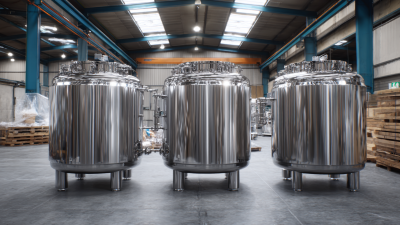
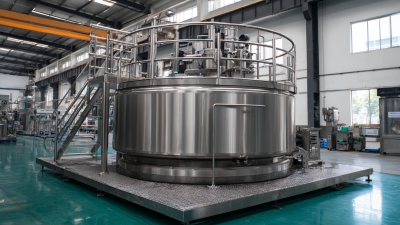
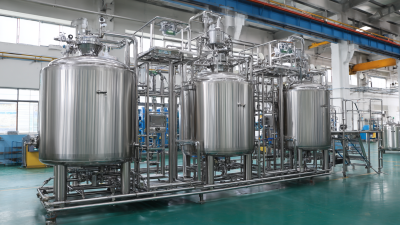
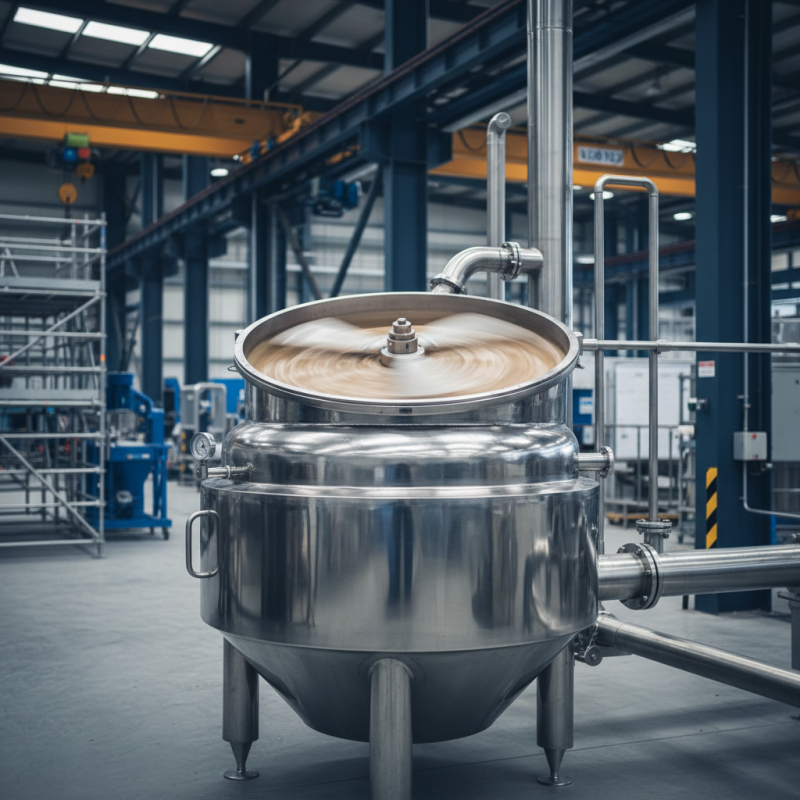
An agitator mixer tank is a vital tool in various industrial processes. It combines liquids, solids, or gases to achieve a homogeneous mixture. This tank typically features a motor-driven agitator, which stirs materials effectively. The design allows for optimal mixing and efficient heat transfer.
A crucial advantage of an agitator mixer tank is its versatility. It can accommodate various substances, from thick slurries to delicate liquids. However, choosing the right tank is essential. Not all tanks are the same. Some may not mix certain materials effectively. Understanding your materials is key.
Tips: Always assess your mixing requirements. Consider viscosity and density. These factors will impact your choice. Keep in mind the maintenance needs of the mixer. Regular checks are necessary for optimal performance.
In some situations, you might encounter blending challenges. For example, heavy materials may settle at the bottom, leading to uneven mixtures. Adjusting the agitator speed can help. However, too high a speed can create turbulence, affecting the quality. Monitoring these aspects is important for effective operation.
Why Choose an Agitator Mixer Tank for Your Industrial Needs?
| Dimension |
Description |
Functionality |
Industries |
| Capacity |
Varies from 100 to 10,000 liters |
Mixes large volumes of liquid material efficiently |
Chemicals, Food & Beverage |
| Material |
Stainless steel is most popular |
Corrosion-resistant and easy to clean |
Pharmaceuticals, Waste Treatment |
| Speed |
Variable speed options available |
Allows for precise control of mixing processes |
Petrochemicals, Coating |
| Design |
Top-entry, side-entry, and bottom-entry options |
Adaptable to various mixing requirements |
Textiles, Paint & Ink |
| Temperature Range |
-20°C to +200°C |
Suitable for high-temperature processes |
Food Processing, Chemical Production |
Key Benefits of Using Agitator Mixer Tanks in Industrial Applications
Agitator mixer tanks are essential in many industrial settings. They ensure proper mixing of liquids, solids, and gases. This leads to improved product quality. Industries such as food and beverage, pharmaceuticals, and chemicals rely heavily on these tanks. The right agitation promotes uniform consistency. This can significantly enhance the final product.
One of the key benefits is efficiency. An agitator mixer tank can reduce mixing times. This means faster production rates and less downtime. However, not all agitator systems are designed equally. Choosing the right type of mixer based on specific needs can be challenging. Sometimes, companies might overlook important factors. They may select a system that lacks the necessary power or turbulence.
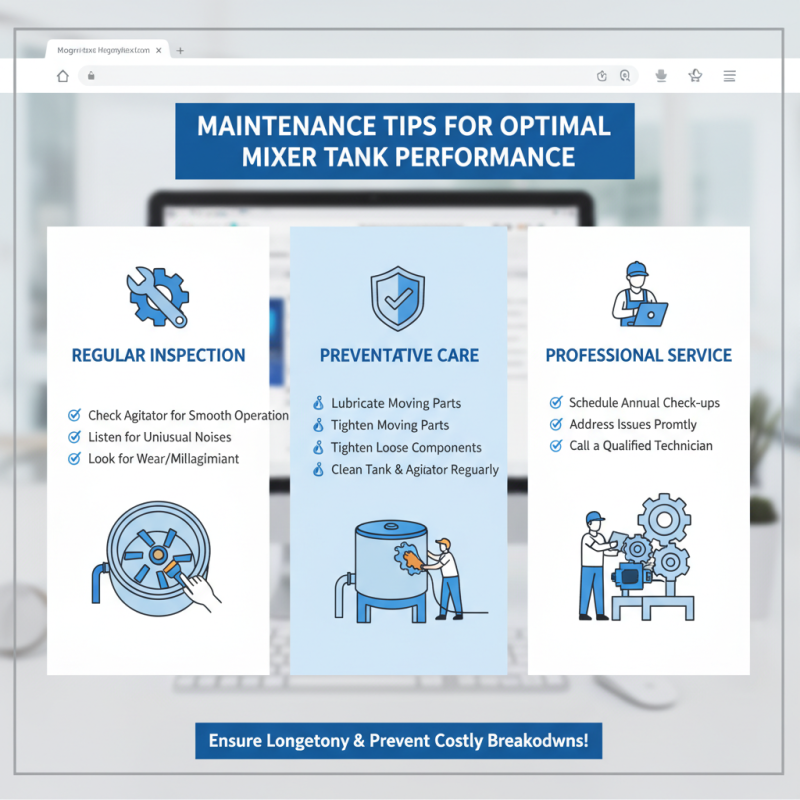
Additionally, maintenance is crucial. Regular checks guarantee the agitator functions optimally. Neglecting this can lead to increased wear and equipment failure. In some cases, operators might face difficulties in adjusting the mixing speed. This can affect the quality of the final product. Recognizing these challenges can lead to better decision-making and investment in future projects.
Types of Agitator Mixer Tanks for Different Industrial Processes
When considering agitator mixer tanks, it’s essential to understand the various types available for industrial processes. These tanks serve different functions, from mixing to emulsifying. In the chemical industry, for example, a moderately-sized tank with an efficient mixing blade can enhance reaction rates by up to 30%. This type of tank is often used for producing chemicals where uniform consistency is crucial.
In the food industry, specialized agitator mixer tanks ensure homogeneity and safety. Many food-grade tanks are designed to minimize air incorporation, reducing oxidation risks. A report from the Food Processing Association indicates that poor mixing directly impacts product quality and shelf life, which can be costly. The right selection of mixing technology, including tank design and mixing speed, is vital.
However, challenges remain. Not all mixers are adaptable to different viscosities. Some processes require frequent adjustments to mixing protocols. A study by the International Journal of Chemical Engineering highlighted that 15% of companies face inefficiencies because of poorly designed tank mixers. This underlines the need for careful analysis before committing to any mixing solution. Investing in the right agitator mixer tank is not just about immediate results; it requires long-term consideration of operational flexibility and maintenance.
Types of Agitator Mixer Tanks for Different Industrial Processes
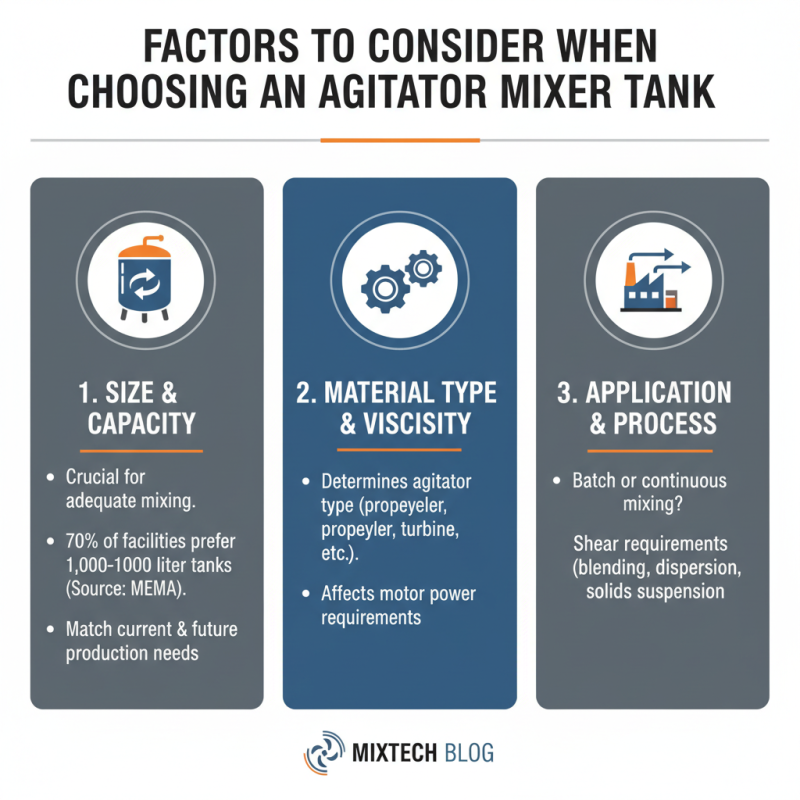
Factors to Consider When Choosing an Agitator Mixer Tank
When selecting an agitator mixer tank, several key factors come into play. The tank's size and capacity are crucial. For example, a report by the Mixing Equipment Manufacturers Association (MEMA) indicates that 70% of industrial facilities prefer tanks with a capacity range of 1,000 to 10,000 liters. This allows for adequate mixing of different materials. Always consider your current and future production needs. If production increases, you might need a larger tank sooner than anticipated.
Another critical factor is the type of agitator. The correct agitator design can enhance mixing efficiency by 30-50%. This can be impactful in processes involving viscous materials. Use appropriate designs for your specific application, such as turbine or propeller agitators. Consulting with a mixing expert can save time and resources.
Tips: Assess the tank's construction material. Stainless steel offers durability but can be expensive. Consider whether your processes require corrosion resistance or just a basic structure. Take time in evaluating your needs; sometimes, smaller, simpler solutions are overlooked. Always remember to account for maintenance. Regular inspections can prevent costly downtimes.