How to Choose the Best Blender Mixer Machine for Your Needs?
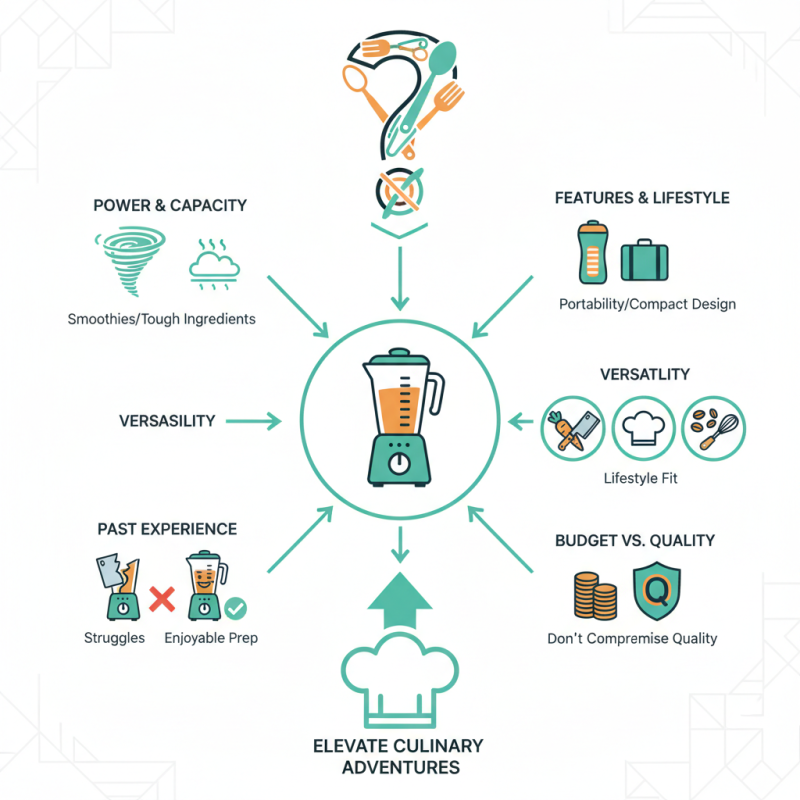
Choosing the right Blender Mixer Machine can significantly enhance your cooking experience. With so many options available, it’s easy to feel overwhelmed. Every cook has unique needs, and blending requirements vary by recipe. A high-powered machine might suit smoothies well, while a quieter model may be better for soups.
When selecting a Blender Mixer Machine, consider its power and capacity. Look for features that fit your lifestyle. Do you need portability? Maybe a compact design is essential. Some machines have additional functions like chopping and grinding. This versatility can be a game-changer in the kitchen.
Reflect on your past blending experiences. Have you struggled with a machine that couldn't handle tough ingredients? A good Blender Mixer Machine should make food preparation enjoyable, not frustrating. Keep your budget in mind, but don't compromise on quality. Ultimately, the right choice will elevate your culinary adventures.
Understanding Your Blending Needs and Preferences
Choosing the right blender mixer machine can seem daunting. Start by evaluating your blending needs. Do you often make smoothies or soups? Maybe nut butter or sauces? Knowing your primary use will guide your decision.
Tips: Consider the capacity you require. A smaller blender might suffice for quick shakes. But if you entertain frequently, a larger one could be more suitable.
Think about your preferences. Do you prefer manual controls or automatic settings? Each has advantages. Manual offers more control, while automatic can save time. Some mixers may not handle tough ingredients well. Test this before you buy, if possible.
Tips: Check the blender's power. A higher wattage often means better performance. Look for models with pulse settings for added versatility. Keep in mind that certain features may be unnecessary for your needs. Avoid getting lost in flashy designs and gimmicks.
How to Choose the Best Blender Mixer Machine for Your Needs?
| Feature |
Description |
Importance |
Recommended For |
| Power |
Measured in watts, indicates how well the blender can handle tough ingredients. |
High importance for smooth blending. |
Smoothies & Frozen Drinks Enthusiasts |
| Blade Design |
Geometry and material of the blades impact cutting efficiency. |
Medium importance based on user preferences. |
Recipe Creators & Mixers |
| Jar Material |
Glass, plastic, or stainless steel; affects durability and cleaning ease. |
High importance for longevity. |
Home Users & Frequent Blenders |
| Speed Settings |
Different speed options allow for versatility in blending tasks. |
Medium importance for various recipes. |
Versatile Cooking Enthusiasts |
| Ease of Cleaning |
Design features that facilitate fast cleaning, such as detachable blades. |
High importance for busy users. |
Health-Conscious Individuals |
Different Types of Blender Mixer Machines and Their Uses
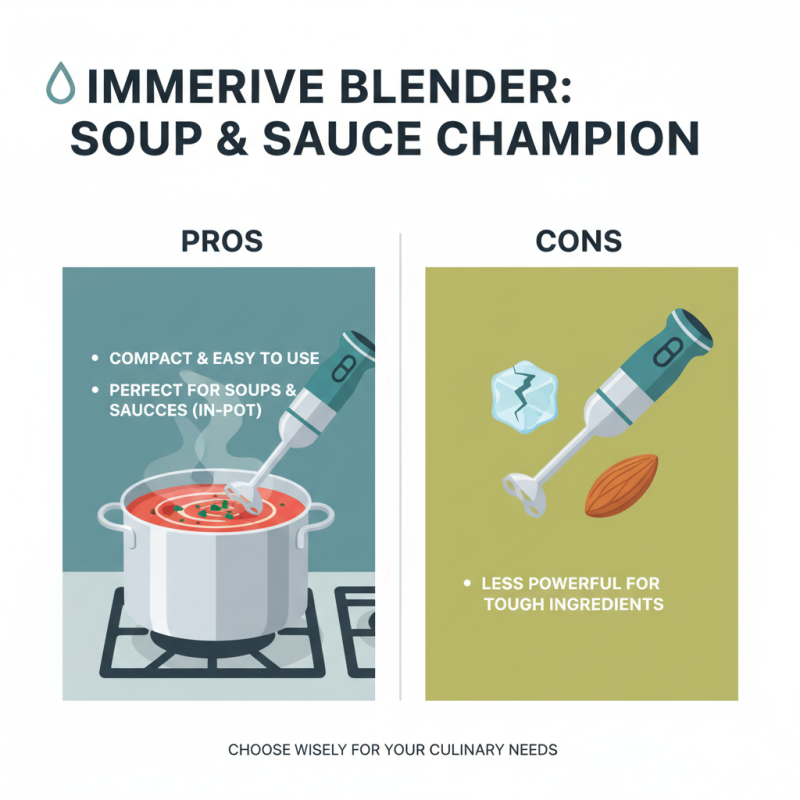
When choosing a blender mixer machine, understanding different types is vital. There are immersive blenders, which are compact and easy to use. They excel in making soups and sauces right in the pot. However, they may not be strong enough for tougher ingredients.
Countertop blenders are another option. They have a larger capacity. They can crush ice and blend smoothies effectively. Yet, they take up more space. Some users find cleanup challenging. High-performance blenders offer power for the most demanding tasks. They can pulverize seeds and fibrous vegetables. However, they often come with a higher price tag.
Personal blenders are great for single servings. They are lightweight and ideal for smoothies on the go. Unfortunately, they might struggle with larger batches. Each type serves specific needs, but none are perfect. It's essential to reflect on your cooking habits and kitchen space. Do you blend daily, or only occasionally? This reflection will guide your choice.
Key Features to Consider When Choosing a Blender
Choosing the right blender mixer can be daunting. Key features significantly impact your experience. Power is crucial; consider motors between 500 to 1,200 watts. Higher wattage ensures smooth blending for tough ingredients, like frozen fruit or leafy greens. A study by Consumer Reports shows that blenders with at least 1,000 watts perform 50% better in producing smoother textures.
Consider the blender's capacity as well. Most home blenders range from 32 to 64 ounces. A larger container is beneficial for families or meal prep. However, bigger isn't always better. A smaller blender can be easier to clean and store. The material matters too; glass is heavy but offers a classic feel, while plastic is lightweight and shatter-resistant.
Noise levels are often overlooked. Some models operate very quietly, while others can be quite loud. This can be bothersome in shared spaces. Also, think about versatility. Blenders with multiple functions can make smoothies, soups, and even ice creams. Yet, they might not excel in all areas. Always weigh the pros and cons to suit your specific needs.
Comparing Brands and Price Ranges for Blenders
When choosing a blender mixer machine, consider the variety of brands and their price ranges. Each brand offers unique features that might cater to different needs. Some blenders excel in performance but come at a premium price. Others are more budget-friendly, yet they may lack advanced functionalities. Be mindful that lower-priced options can sometimes compromise quality.
For instance, if you're aiming for smoothies, examine the motor power. A strong motor can handle ice and tough ingredients better. But not all high-end models guarantee this efficiency. Some may be overpriced for what they offer. Price often reflects the brand’s reputation rather than just performance. Research user reviews to see how products compare in real-life usage.
Value isn't solely about cost. It's essential to weigh features against your own requirements. Will you use it daily or just occasionally? Sometimes, a simple model can suffice for basic tasks. Remember, evaluating your personal needs will guide your selection effectively. Blenders are an investment, so choose wisely.
Maintenance and Care Tips for Your Blender Mixer Machine
Blender mixers are essential kitchen appliances. Taking care of them can prolong their life. Start by cleaning it after each use. Rinse the jar immediately to avoid food buildup. Don't let grimy spots sit for days. Use warm soapy water for a thorough clean. Check the blades regularly for any signs of dullness or damage. A blunt blade can make blending inefficient.
Storage is equally important. Keep your blender in a dry area. Moisture can lead to rusting or mold. If possible, store it with the lid off. This prevents odors from developing inside. Occasionally inspect the power cord for fraying. A damaged cord can pose serious hazards. Be mindful of how often you use it; excessive blending can wear out the motor. Listen for any unusual sounds during operation, which might indicate a problem.
Remember that some things can go wrong. Sometimes, the motor just won't start. Or the jar might crack accidentally. Don't panic. Evaluate the issue calmly. Minor repairs can save you from extensive costs. Reflect on your blending habits. Maybe you overload it too often. This can lead to premature breakdowns. Adjusting how you use your blender might be necessary for better care.
Blender Mixer Machine Power Consumption Comparison
This bar chart compares the power consumption of various blender mixer machines, ranging from 300W to 1500W. It helps consumers choose the right blender based on their power needs and energy efficiency preferences.