2026 How to Choose the Best Chemical Mixer Machine for Your Needs?
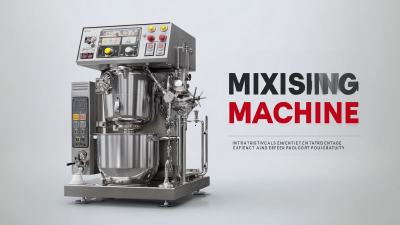
Choosing the right Chemical Mixer Machine can significantly influence your production efficiency. With numerous options available, it's crucial to find one that meets your specific needs. The right mixer can enhance consistency, improve quality, and reduce waste.
When evaluating a Chemical Mixer Machine, consider its capacity and type. Different applications require different mixing techniques. Some industries need high shear mixers, while others benefit from ribbon or paddle mixers. Assess your material properties. Know your viscosity and particle size. This information helps you select a suitable mixer.
Experience plays a key role here. Many users make mistakes by underestimating their requirements. A machine that is too small may cause processing delays. On the other hand, an oversized mixer may lead to wastage. Understanding both your current needs and future growth can guide you toward a well-informed decision.
Understanding Different Types of Chemical Mixer Machines
When selecting a chemical mixer machine, understanding the different types is crucial. Chemical mixers come in various forms, including batch mixers, continuous mixers, and high-shear mixers. Each type serves distinct purposes and operates differently. For instance, batch mixers are ideal for smaller volumes with precise formulations, while continuous mixers are designed for larger, ongoing processes. Recent industry data reveals that batch mixers hold a 45% market share, highlighting their significance in chemical manufacturing.
High-shear mixers, on the other hand, are favored for their efficiency in emulsifying and dispersing. Reports show these mixers can reduce processing time by up to 30%, making them a popular choice in sectors such as pharmaceuticals and cosmetics. However, selecting the right type isn't always straightforward. Factors such as material viscosity and required mixing speed must be considered.
Choosing a mixer without adequate research can lead to inefficiencies. A common mistake is underestimating the importance of mixer speed, affecting product consistency. It's essential to evaluate your specific needs before making a decision. Reflection on past mixing experiences can guide improvements and innovations in process efficiency.
2026 How to Choose the Best Chemical Mixer Machine for Your Needs?
Factors to Consider When Selecting a Chemical Mixer
When selecting a chemical mixer machine, several factors come into play. The type of materials being mixed is crucial. Liquid viscosities can vary significantly. According to a recent industry report, 70% of mixers fail to optimize performance for specific materials. Understanding the viscosity and density of your chemicals can help prevent inefficiencies.
Agitation speed is another key consideration. Different applications may require varying speeds. For example, emulsions often need lower speeds to avoid separation, while solids suspensions may require high shear rates. Research indicates that inappropriate speed settings can lead to energy waste, with some facilities reporting up to 30% inefficiency in energy usage due to incorrect mixer speeds.
Another critical factor is tank geometry. The shape affects mixing efficiency significantly. A poorly designed tank can result in dead zones, leading to incomplete mixing. Reports show that improper design can compromise product quality, which can shockingly decrease production yield by 20%. Understanding your mixer’s interaction with the tank design can greatly impact overall effectiveness.
Key Specifications to Evaluate in Mixer Machines
When selecting a chemical mixer machine, key specifications play a crucial role in meeting your needs. The power of the mixer is fundamental. According to recent industry reports, mixers with a motor power between 0.5 HP and 5 HP offer versatility for different viscosities. Evaluate the mixing speed is also essential. A variable speed mixer provides flexibility, allowing adjustments based on material characteristics. Mixers that can operate between 100 and 600 RPM are generally suitable for a variety of applications.
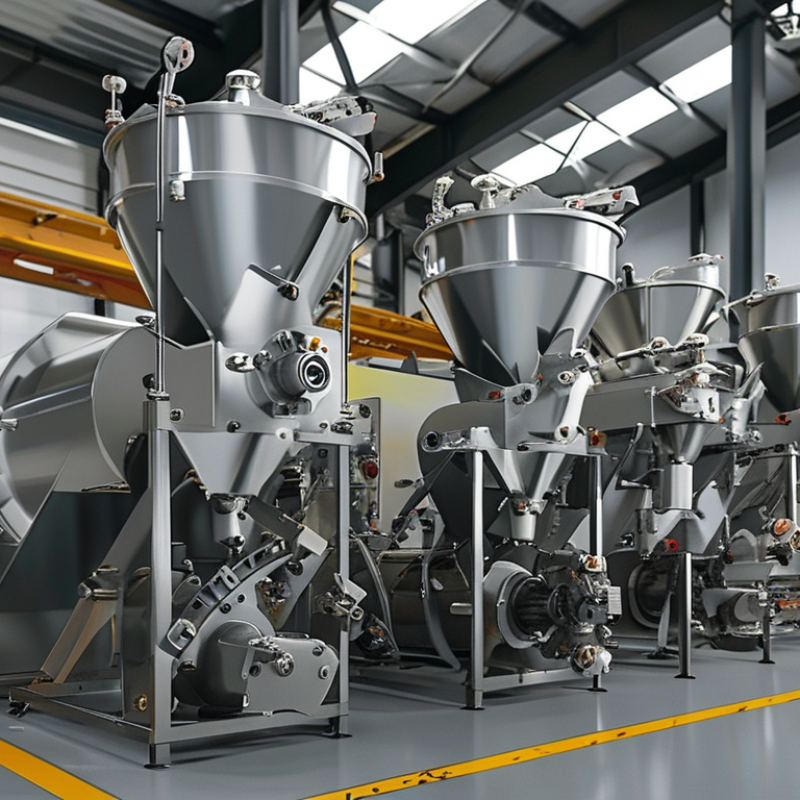
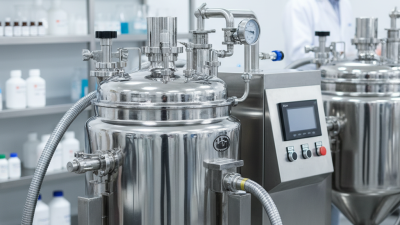
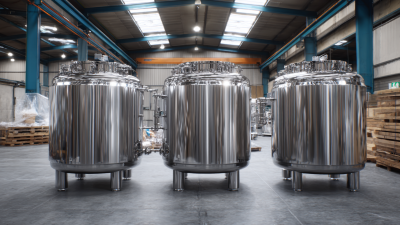
Another important specification is the mixing volume. Most industrial mixers handle volumes from 5 to 500 gallons, depending on your production scale. Pay attention to the tank design. A conical shape aids in better material flow, reducing residue and ensuring efficient mixing. Also, durability is vital; stainless steel options resist corrosion and have a longer lifespan.
Lastly, consider the ease of cleaning. Some designs feature removable components, making maintenance straightforward. In the chemical industry, time is money. A mixer that simplifies cleaning can save hours. However, be cautious; always assess the balance between features and costs. Sometimes, advanced features may complicate operations. Make sure the chosen mixer aligns with your specific requirements.
Assessing the Importance of Mixer Capacity and Size
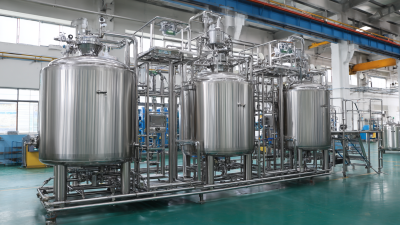
When choosing a chemical mixer machine, understanding capacity and size is vital. The mixer’s capacity determines how much material it can process at once. A small mixer may struggle with large batches, while an overly large mixer may waste energy and space. It's essential to assess your production needs carefully. For example, a lab might need a compact mixer for small quantities, whereas a manufacturing plant might require a larger setup for bulk production.
Size also plays a significant role in the machine’s placement and usability. A mixer that doesn’t fit your workspace can cause logistical issues. Inspect your facility's layout and ensure there’s enough room for the machine and its operation. Additionally, consider how easy it is to clean. A well-sized mixer can streamline production but may require proper design to facilitate maintenance.
Balancing these aspects can be challenging. Manufacturers often overlook specific details, like the type of materials involved and their viscosity. A mixer ideal for a fluid compound may not work for thicker substances. Thus, reflection on your process and its requirements is crucial. Focus on what truly fits your unique production needs, rather than opting for the biggest or most powerful machine available.
Budgeting and Cost Analysis for Chemical Mixer Purchases
When planning to purchase a chemical mixer machine, budgeting is crucial. A comprehensive cost analysis can help you navigate the complex market. Reports indicate that industrial mixer prices typically range from $1,500 to over $10,000, depending on size, type, and features. Investing in more advanced models may lead to higher initial costs. However, a robust machine could offer long-term savings through efficiency and durability.
It's essential to factor in operational costs. According to industry data, energy consumption can significantly impact your budget. A high-energy mixer may cost more to run, cutting into your overall savings. Maintenance expenses should also be considered. Regular servicing can prevent unforeseen costs but may require additional budgeting.
Potential buyers should evaluate their specific needs carefully. A cheaper mixer might suffice for simple tasks, but complex formulations could demand a higher investment. Reflect on your production volume and the materials you'll handle. Underestimating costs can lead to future financial strain. Balancing performance and budget requires thorough market research and honest self-assessment of your requirements.