Why Choose a Liquid Mixer Machine for Your Manufacturing Needs?
In the world of manufacturing, efficiency and precision are crucial. A Liquid Mixer Machine plays a vital role in achieving these goals. This equipment not only blends liquids efficiently but also ensures a consistent quality in the final product. Many industries depend on it, including food and beverage, pharmaceuticals, and cosmetics.
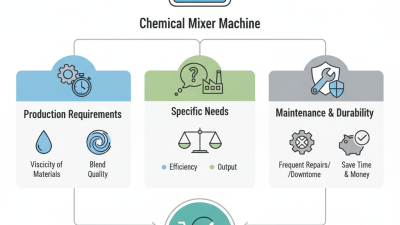
Choosing the right Liquid Mixer Machine is not merely about functionality. It's about understanding your specific needs. Sometimes, manufacturers overlook the importance of these machines. They might invest in complex systems without assessing simplicity and effectiveness. A well-chosen mixer can enhance productivity significantly.
Moreover, the right machine can reduce waste and energy consumption. An efficient Liquid Mixer Machine minimizes excess inventory costs. However, it’s essential to reflect on the choice of machine. Careful consideration of capacity, design, and maintenance is needed. These factors can make a big difference in performance and reliability.
Benefits of Using Liquid Mixer Machines in Manufacturing
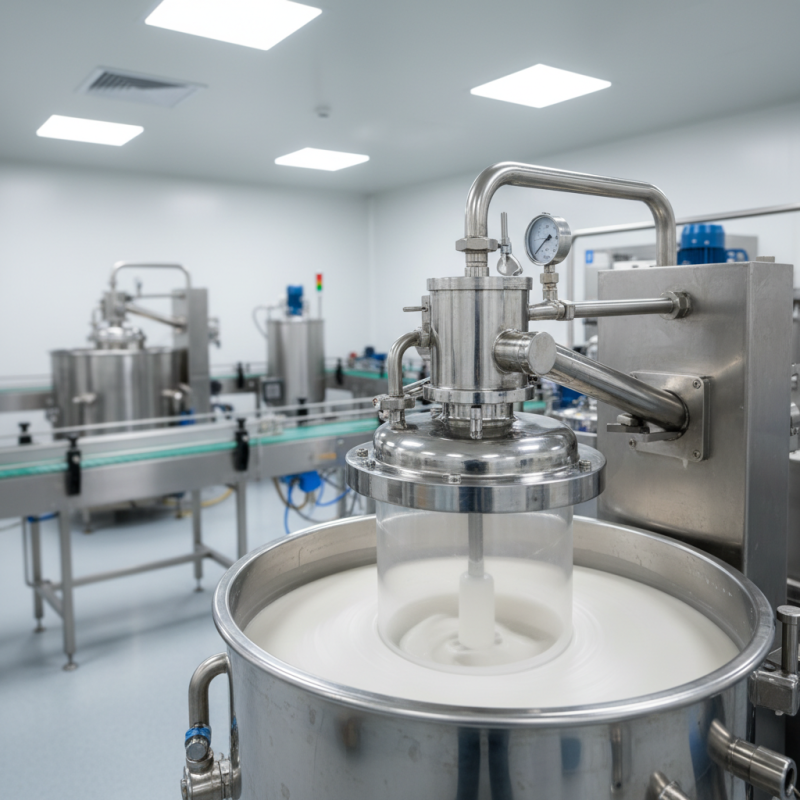
Liquid mixer machines have become essential in manufacturing. They offer various benefits that enhance operational efficiency. According to industry reports, the use of advanced liquid mixers has increased production speed by up to 30%. This boost is crucial in meeting the growing demand in sectors like food processing and pharmaceuticals.
The precision of liquid mixer machines leads to consistent product quality. Inaccurate mixing can result in waste or inferior products, impacting overall profitability. Data shows that companies using high-quality mixers see a reduction in material waste by around 15%. This not only saves costs but also minimizes environmental impact.
Moreover, liquid mixer machines are versatile. They can blend different types of liquids and adjust to various production scales. However, not every machine suits every task, and mismatched equipment can hinder production. Analytics estimate that about 25% of companies experience inefficiencies due to improper machinery selection. This highlights the importance of assessing specific manufacturing needs before investing.
Why Choose a Liquid Mixer Machine for Your Manufacturing Needs?
| Feature |
Description |
Benefits |
| High Efficiency |
Rapidly blends liquids of varying viscosities. |
Increases production rates and reduces mixing time. |
| Versatile Applications |
Suitable for various industries such as food, chemicals, and pharmaceuticals. |
Adapts to multiple processing needs, reducing the need for multiple machines. |
| Improved Quality |
Ensures uniform blending and stable emulsions. |
Enhances product quality and consistency. |
| Easy to Operate |
User-friendly design with minimal training required. |
Decreases downtime and operational costs. |
| Energy Efficiency |
Designed to consume less power while maintaining performance. |
Reduces energy costs and supports sustainability efforts. |
Key Features to Look for in Liquid Mixer Machines
When selecting a liquid mixer machine, specific features can make a significant difference. One critical aspect is the mixer’s capacity. Ensuring that it can handle the volume your production requires is paramount. If it’s too small, you might face delays. Conversely, an oversized mixer can waste energy and resources. Optimize your choice by calculating your daily needs.
Another essential feature is the mixer’s design. Look for machines with a well-thought-out mixing chamber. This ensures effective blending of liquids. Consider the type of paddles or blades. These will impact the mixing efficiency and the final product's quality. Machines with adjustable speed settings can also be beneficial. You want control over consistency and throughput.
Maintenance is often overlooked but crucial. Evaluate how easy it is to clean the machine. A complex design might complicate routine checks. Simple designs often yield better cleaning possibilities. This is where reflection on your operational needs comes in. Each feature should align with your production environment. Think about how these choices will affect your daily workflow. Make adjustments as needed.
Performance Comparison of Liquid Mixer Machines
This bar chart compares two hypothetical liquid mixer machines across key performance metrics such as mixing speed, energy consumption, price, capacity, and maintenance frequency. This information helps in making an informed decision when selecting the right liquid mixer machine for specific manufacturing needs.
Different Types of Liquid Mixer Machines Available
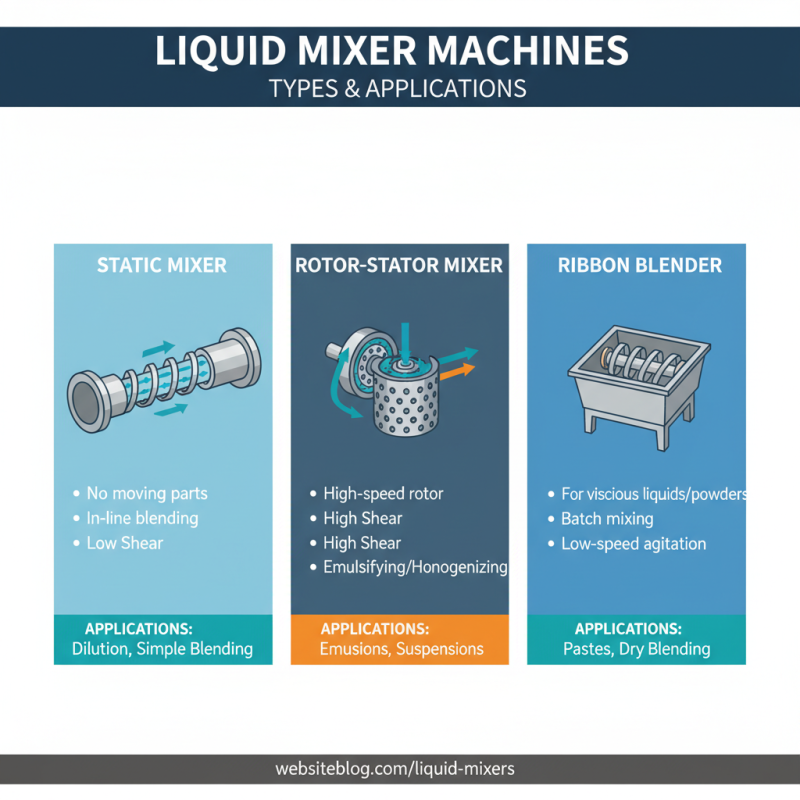
When selecting a liquid mixer machine, understanding the different types available is crucial. There are several options designed for various manufacturing needs. Some common types include static mixers, rotor-stator mixers, and ribbon blenders. Each of these has unique features that serve specific applications, such as emulsifying, homogenizing, or blending.
Static mixers are simple yet effective. They require no moving parts, making maintenance easier. Rotor-stator mixers, on the other hand, excel in creating fine emulsions. They are powerful and suitable for high-viscosity materials. Ribbon blenders are great for bulk mixing, offering a gentle yet thorough blend.
Tip: Always assess the specific requirements of your materials before choosing a mixer. Consider the viscosity, temperature, and batch size. A mismatch can lead to inefficiencies.
While it's easy to get overwhelmed by choices, reflection is key. Take the time to test different machines if possible. User feedback can uncover hidden challenges. Keep an open mind. Each mixer has strengths and drawbacks. Choosing the right one can significantly affect productivity.
Applications of Liquid Mixer Machines Across Industries
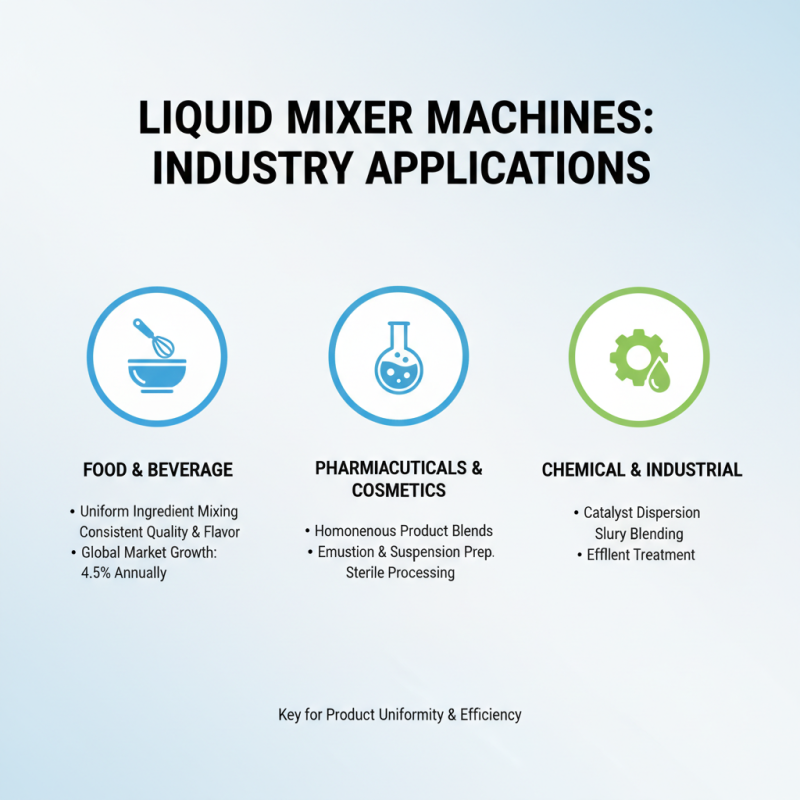
Liquid mixer machines have a broad range of applications across industries. In food and beverage, these machines mix ingredients uniformly. This ensures consistent quality and flavor. According to a recent industry report, the global food mixer market is expected to grow by 4.5% annually. This highlights the increasing demand for efficient mixing solutions.
In the chemical industry, liquid mixers help in the production of paints and coatings. Mixing is crucial for achieving the right texture and viscosity. Reports indicate that improper mixing can lead to product failure, costing manufacturers time and money. Thus, investing in quality mixing equipment is essential.
**Tips:** When selecting a mixer, consider your product’s specific needs. Ensure the machine can handle the viscosity and volume of your materials. Regular maintenance is vital. A well-maintained mixer performs better and lasts longer.
In pharmaceuticals, liquid mixers play a key role in the creation of solutions and suspensions. Accurate mixing influences the efficacy of medicines. A miscalculation in the mixing process can have serious repercussions. It's important to prioritize precision and reliability in this sector.
Investing in a liquid mixer can be daunting. Understand your production requirements clearly. Evaluate different mixing technologies before making a decision. Opting for the right machine can greatly enhance production efficiency and product quality.
Maintenance Tips for Maximizing Liquid Mixer Machine Efficiency
Liquid mixer machines are essential in many manufacturing processes. They enhance product consistency and quality. However, to keep them running efficiently, regular maintenance is crucial.
One vital tip is to clean the machine after each use. Residue can build up and affect performance. Don’t overlook the seals and gaskets; inspect them regularly. They wear out over time, which can lead to leaks. A simple check can save you from larger problems later.
Another aspect is monitoring the mixer’s operating temperature. Overheating can damage internal components. Use a thermometer to keep track. Adjust the operational conditions if you notice any irregularities. Addressing these small issues can significantly prolong the machine's life. It may seem tedious, but these steps are invaluable. If ignored, efficiency will drop, affecting production. Regular reflection on these maintenance practices can lead to better results.