How to Choose the Right Agitator Mixer Tank for Your Needs?
Choosing the right Agitator Mixer Tank is crucial for optimal mixing processes. According to a recent industry report by MarketsandMarkets, the market for agitator tanks is expected to grow at a compound annual growth rate (CAGR) of 5.3% from 2023 to 2028. This reflects a significant demand for efficient mixing solutions across various sectors.
Expert Mike Johnson, a leading authority in fluid dynamics, states, "Selecting the right agitator mixer tank can make or break your operation." The decision involves evaluating factors such as tank size, mixer type, and material compatibility. Each choice impacts performance and efficiency, yet many companies still face challenges in optimizing their systems.
Mistakes in tank selection can lead to poor mixing and increased operational costs. Companies often overlook the specific requirements of their applications. Investing in proper research and expert consultation can mitigate these risks. An informed choice will lead to better productivity and cost-effectiveness in the long run.
Understanding the Role of Agitator Mixer Tanks in Industry
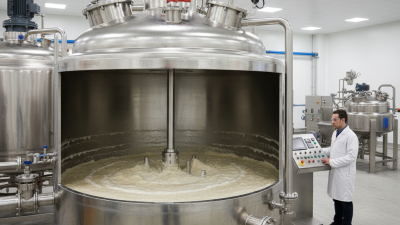
Agitator mixer tanks play a vital role in various industries. They ensure efficient mixing and blending of materials. In pharmaceutical manufacturing, precise mixing is crucial. A report from the International Journal of Pharmaceutical Sciences indicates that improper mixing can lead to inconsistent product quality. This highlights the need for careful selection of agitator mixer tanks.
In the food processing sector, agitators also contribute significantly. A study by the Food and Agriculture Organization found that poorly mixed ingredients can affect taste and safety. Different fluid properties require unique mixing techniques. A tank designed for a viscous substance may not work well for liquids with lower viscosity. Thus, understanding fluid dynamics becomes essential for determining the right type of mixer.
Choosing the right agitator means examining several factors. Consider the tank material, the type of agitator, and the desired flow patterns. Each choice affects efficiency and product outcome. Industry surveys show that 30% of companies have faced challenges due to poor agitator selection. Reflecting on these failures is essential for continuous improvement and better quality control in production systems.
Identifying Your Mixing Requirements and Specifications
When choosing an agitator mixer tank, it is crucial to identify your mixing requirements. Consider the type of materials you will mix. Are they thick, thin, or granular? Each material demands different mixing strategies. For instance, viscous liquids may need slow, steady agitation. On the other hand, light liquids require faster mixing speeds. Understanding these nuances can directly impact your mixing efficiency.
Next, evaluate your tank specifications. The tank size is important. Too small a tank can lead to overflow issues. On the flip side, an oversized tank may waste resources. Pay attention to the shape of the tank as well. A wider base may enhance stability but can complicate mixing for thick materials. Depth also matters; shallow tanks might not achieve adequate mixing.
It’s easy to overlook these details. Many users rush into purchasing without proper assessment. This can lead to subpar outcomes and wasted time. Regularly reevaluating your mixing needs is essential. Is the current setup meeting your expectations? Are adjustments needed? These questions help refine your choice, ensuring your mixer tank performs optimally for your specific requirements.
Evaluating Different Types of Agitator Mixer Tanks
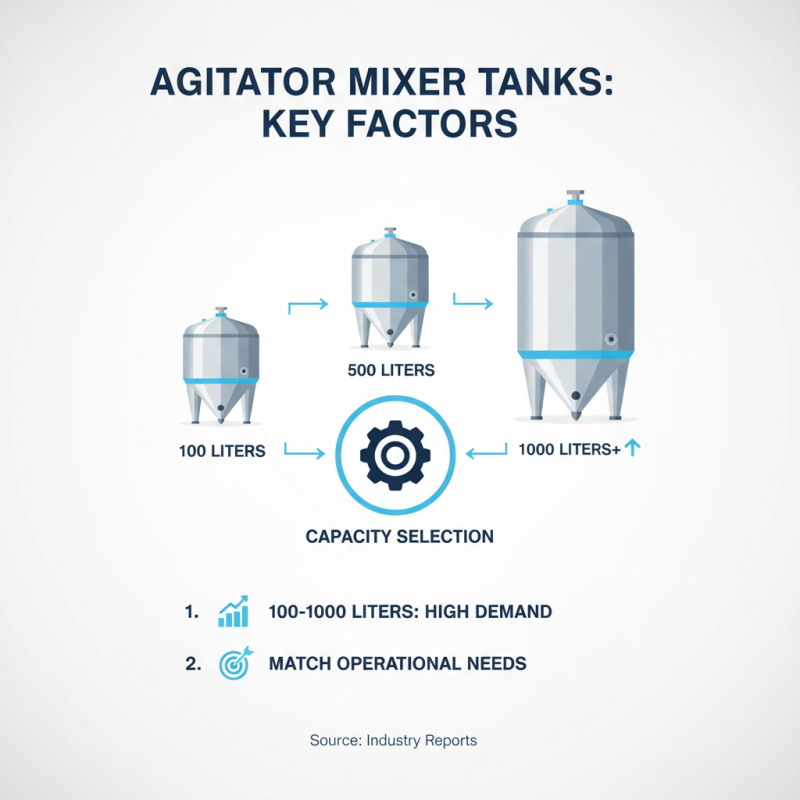
When evaluating different types of agitator mixer tanks, several key factors emerge. Tank capacity is crucial. Industry reports show that the demand for tanks ranging from 100 to 1,000 liters is increasing. This size suits various applications, from small-scale production to larger industrial needs. Selecting the right capacity aligns with your operational requirements.
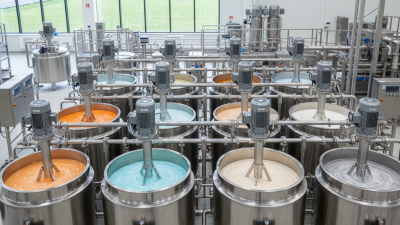
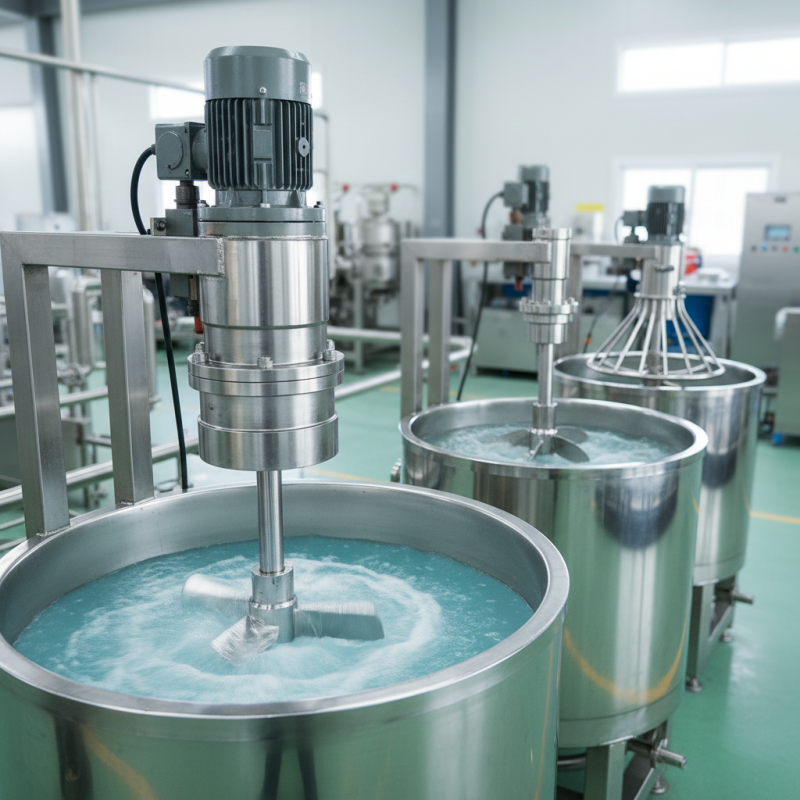
The type of agitator is another vital consideration. Paddle, turbine, or magnetic agitators offer different mixing efficiencies. Paddle agitators are excellent for viscous materials, while turbine agitators provide superior mixing for low-viscosity liquids. A recent study indicates that a turbine mixer can enhance mixing rates by up to 30% compared to paddles in specific applications. However, using the wrong type can lead to inadequate mixing and wasted resources.
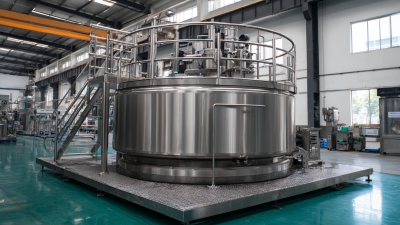
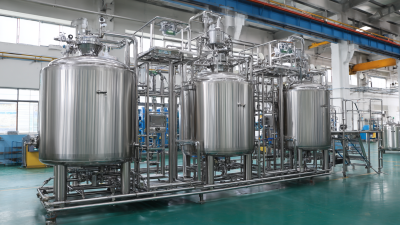
Material compatibility does matter. Tanks made from stainless steel are durable and resist corrosion. However, they may not be suitable for all chemicals. Some substances could react negatively. Understanding your material's properties is essential. Industry success often hinges on these details. A misjudged choice can result in costly downtime or even safety hazards. Always keep in mind that the ideal mixer tank blends efficiency with safety and material compatibility.
Selecting the Right Material for Your Mixer Tank
When selecting the right material for your agitator mixer tank, it’s crucial to consider the specific application. Stainless steel is often favored for its durability and resistance to corrosion. However, plastic materials may offer a lightweight option for less demanding environments. Industry reports suggest that approximately 40% of mixing failures result from material incompatibility. This highlights the importance of choice in material selection.
Look closely at temperature and chemical exposure. Certain materials can degrade when exposed to specific chemicals or extreme temperatures. For example, polypropylene is excellent for acids but not for solvents.
Tips: Always test material compatibility with the substances you'll be mixing. Consider conducting small-scale trials before committing fully.
Material thickness also plays a role. Thicker tanks may withstand higher pressures but add weight and cost. Remember, precision in your choice can prevent costly mishaps.
Tips: Assess your production volume. A tank too small for your needs can lead to bottlenecks. In contrast, excessive capacity can be an inefficient investment.
Material Selection for Agitator Mixer Tanks
This chart illustrates the cost per kilogram of various materials suitable for agitator mixer tanks. Understanding the material costs is essential for making informed decisions when selecting the right mixer tank for specific industrial needs.
Considering Tank Size, Shape, and Design Features
Choosing the right agitator mixer tank is crucial. The size, shape, and design are key factors that affect mixing efficiency. A report by the Mixing Technology Association indicates that tank size can influence the mixing time significantly. Larger tanks may offer advantages for batch production, but they can also lead to inefficient mixing if not designed properly.
The shape of the tank impacts how materials flow. For instance, cylindrical tanks are common due to their effective mixing capabilities. However, irregular shapes might create dead zones. These dead zones can hinder performance and lead to unsatisfactory results. You cannot overlook these design features when selecting a mixer tank.
Design features like baffle placement play an essential role in achieving uniform mixing. Reportedly, improper baffle placement can increase energy consumption by up to 30%. Always consider operational limitations, such as available space and budget. An inappropriate choice can lead to costly issues, including material waste or subpar product quality.