How to Choose the Best Aerosol Filling Machinery for Your Needs?
Choosing the right design and function in aerosol filling machinery can significantly impact production efficiency. With various models available, it’s crucial to understand your specific needs before making a decision. Different industries demand tailored solutions. A deep dive into current trends can provide valuable insights.
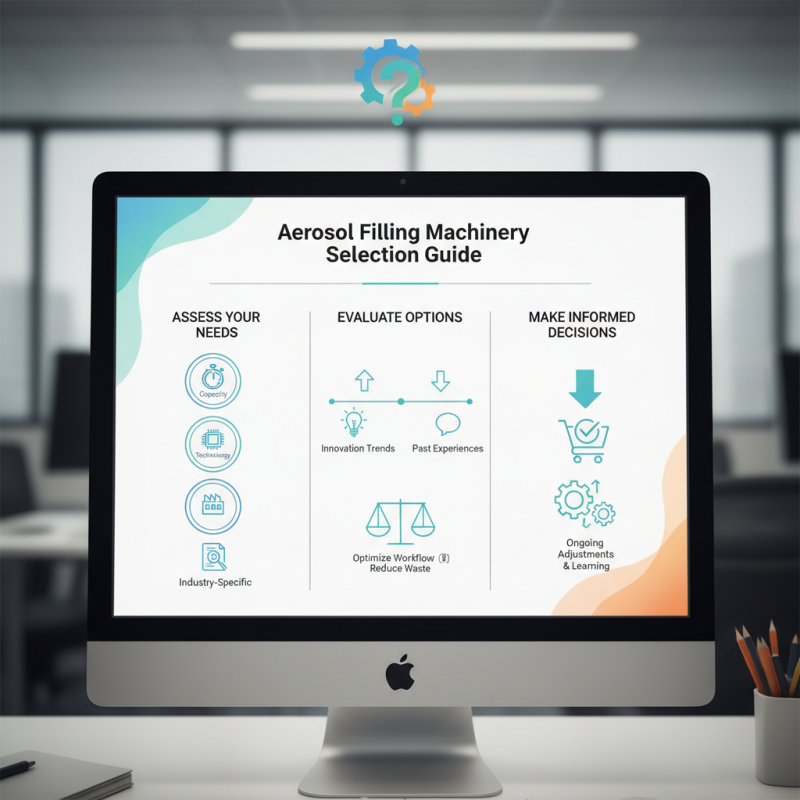
When assessing aerosol filling machinery, consider capacity, speed, and technology. Each component must align with your operational goals. Manufacturers often showcase innovations, but not all enhancements are necessary for every business. Reflect on past experiences to make informed decisions.
Investing in the right aerosol filling machinery can optimize workflow and reduce waste. While many options are available, not all will suit your requirements. Take time to evaluate your choices critically, and remember that the best solution may come from ongoing adjustments and learning from past implementations.
Factors to Consider When Selecting Aerosol Filling Machinery
Selecting the right aerosol filling machinery requires careful consideration of multiple factors. One crucial aspect is the machine's compatibility with the product type. According to industry reports, around 45% of production issues arise from using inappropriate machinery. Hence, understanding the viscosity, chemical composition, and pressure requirements of your product will guide you toward suitable machinery options.
Another important factor is production capacity. Producing at the right speed is vital for efficiency. Data suggests that facilities often experience a 20-30% loss in production due to slow filling processes. Assessing your projected demand will help in picking machinery that aligns with your throughput needs. Additionally, evaluate the machinery's flexibility in changing sizes or types of containers, which can save costs in the long run.
Tips: It's beneficial to consult industry experts to gain insights. Explore trade publications and attend industry expos. These can provide valuable benchmarks and technologies emerging in the market. Remember, investing in machinery is not merely about the initial cost; it's about long-term reliability and performance. So take your time to explore all available options.
Comparison of Different Types of Aerosol Filling Machinery
Types of Aerosol Filling Machinery Available in the Market
When exploring the types of aerosol filling machinery available, it’s essential to consider various options. Gravity fillers are often the most straightforward choice. They use gravity to fill, making them ideal for low-viscosity products. This simplicity requires minimal adjustments, but it may not be the best for more viscous materials.
Piston fillers are another popular choice for filling aerosols. They offer precision and versatility, making them suitable for various product types. These machines can handle thick liquids and pastes. However, they often require more maintenance and can be complex to set up. A careful evaluation of your production needs is crucial here.
Lastly, pressure fillers are designed for high-speed production. They inject the product under pressure, which is efficient for both thick and thin liquids. This method can increase production speed significantly but may lead to a learning curve. Understanding the potential trade-offs is vital when selecting the right machinery. Consider factors like product viscosity, filling speed, and ease of use to find the best fit for your operation.
How to Choose the Best Aerosol Filling Machinery for Your Needs? - Types of Aerosol Filling Machinery Available in the Market
| Type of Machinery |
Application |
Production Capacity (Cans/Min) |
Key Features |
| Semi-Automatic Filler |
Cosmetics, Household Products |
10-20 |
Cost-effective, Easy to operate |
| Fully Automatic Filler |
Food Products, Pharmaceuticals |
30-50 |
High speed, Fully automated process |
| Portable Aerosol Filler |
Small-scale applications |
5-10 |
Compact, Lightweight |
| Inline Filler |
Industrial-sized production |
60-100 |
Integrated with production line, High efficiency |
| Chemical Filler |
Industrial Chemicals |
20-40 |
Durable construction, Resistant to corrosive materials |
Key Features that Enhance Aerosol Filling Efficiency
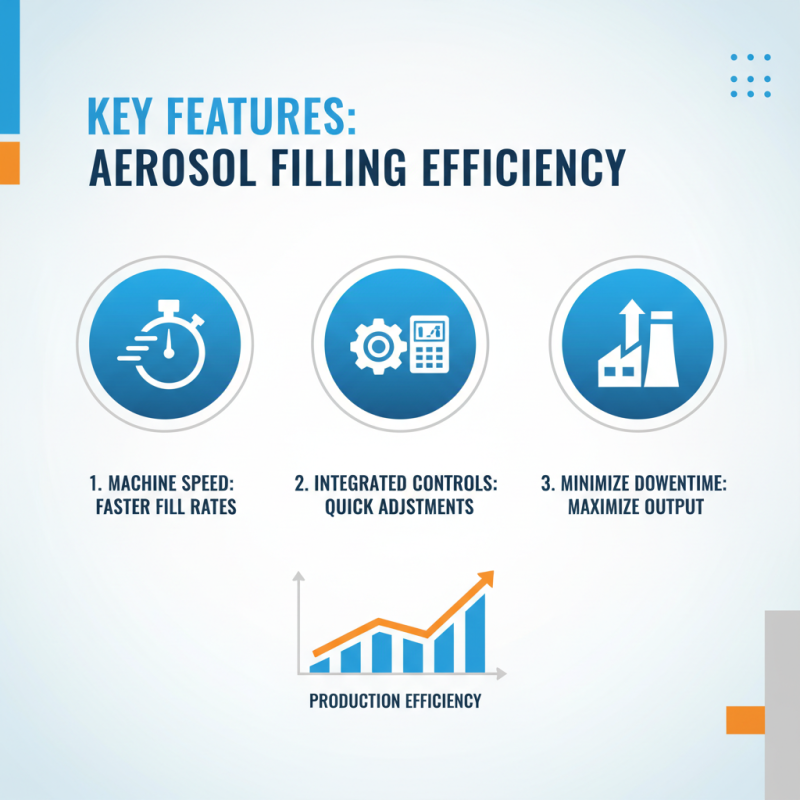
Choosing the right aerosol filling machinery can profoundly impact your production efficiency. Key features play a vital role in enhancing this efficiency. One critical aspect is the speed of the machine. Faster filling rates minimize downtime and maximize output. Efficiency is also influenced by the machine's integrated controls. User-friendly interfaces allow for quick adjustments, reducing the chances of errors during production.
Another significant factor is the versatility of the machinery. A machine that can handle various container sizes and types offers flexibility. It allows manufacturers to adapt to changing market demands. Materials used in construction also matter. Sturdy, hygienic materials ensure longevity and compliance with safety standards, enhancing reliability.
Additionally, consider the maintenance requirements of the machinery. Easy-to-maintain systems save time and reduce production interruptions. Regular maintenance prevents unexpected breakdowns. Operators must also be sufficiently trained, as their skill level impacts overall efficiency. Balancing all these features can be challenging, but a well-rounded approach ensures better productivity and long-term success.
Maintenance and Support for Aerosol Filling Equipment
When selecting aerosol filling machinery, maintenance and support become crucial factors. Regular maintenance ensures optimal performance. Neglect can lead to downtime, affecting productivity. A simple inspection routine can catch minor issues before they escalate. Companies should prioritize a supportive relationship with suppliers.
It's beneficial to choose equipment from manufacturers that offer robust after-sales service. This can include training, troubleshooting, and quick access to replacement parts. Some machinery may have different wear rates and require specific parts more frequently. Knowing this in advance can save time and reduce costs.
Furthermore, consider the availability of online resources and customer support. Having access to manuals and technical assistance can make a big difference. A company should not only sell machinery but also provide ongoing help. Reflecting on these aspects will guide you to make informed choices that lead to smoother operations.
Budgeting for Your Aerosol Filling Machinery Investment
When budgeting for aerosol filling machinery, it's crucial to assess your production needs. Start by estimating the volume of product you plan to fill daily. This helps you determine the machinery’s capacity. Consider whether you need single-fill or high-speed options. The price can vary widely based on these factors. Make sure to account for maintenance costs as well. Some machines may require more frequent servicing.
Another important aspect is the technology used in the machinery. Advanced features can increase efficiency, but they often come at a higher price. Evaluate if these features will genuinely benefit your operation. Ask yourself, will they lead to cost savings or increased output? Look for equipment that balances quality and affordability.
Don't overlook additional expenses such as installation and training. These can significantly influence your overall budget. It's worth investing time in research. Seek advice from industry experts or experienced business owners. Consider attending trade shows to see machines in action. Engaging with the community can provide insights that help refine your budget.