How to Choose the Best Chemical Mixture Machine for Your Needs?
Choosing the best Chemical Mixture Machine for your needs can be complex. Industry expert Dr. Emily Carter states, “Selecting the right machine is crucial for efficiency.” Her insight highlights the importance of understanding specific requirements before making a decision.
When evaluating a Chemical Mixture Machine, consider various factors. Think about the materials you plan to mix. Different machines excel with certain chemicals. This affects both performance and safety. Take into account the machine's capacity as well. Selecting one with too small a capacity can lead to complications in production.
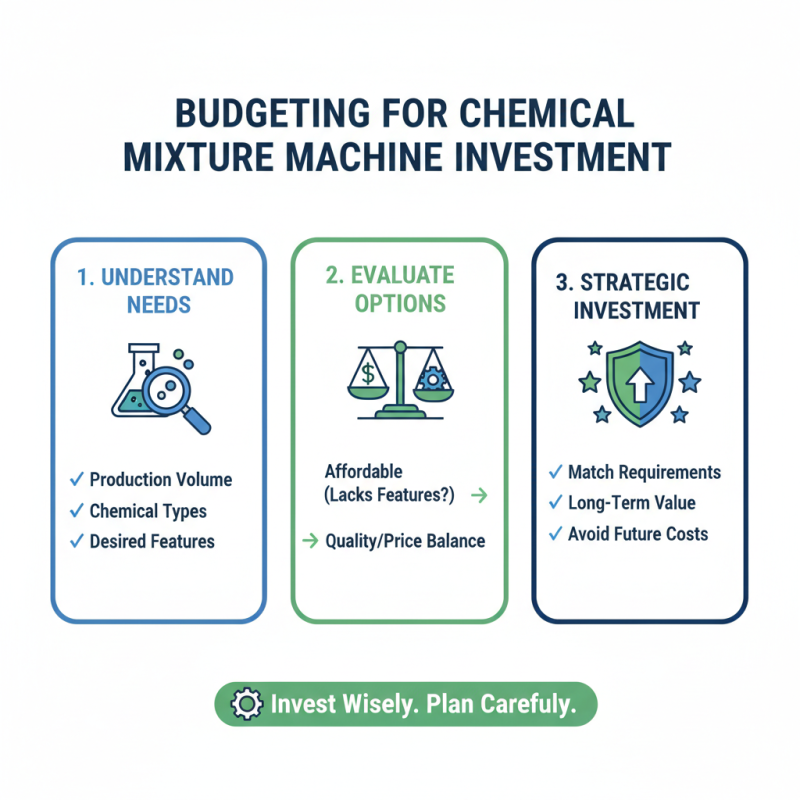
Research is key. Look at reviews and testimonials from other users. Notice their experiences with different models. A machine might seem perfect on paper but may not meet practical demands. Remember that the best choice should align with your unique operational needs. Balancing quality and cost is essential for long-term satisfaction.
Understanding Your Specific Chemical Mixing Requirements
Understanding your specific chemical mixing requirements is crucial when selecting the right machine. Begin by assessing the viscosity of your materials. Thin liquids require different equipment than thicker substances. Knowing the physical properties of your chemicals helps narrow down the options. Consider the volume you need to mix. Some machines cater to small batches, while others are designed for large-scale production.
Think about the mixing process itself. Are you looking for high shear or gentle mixing? Each method affects the final product’s qualities. You may also need to contemplate the temperature control features. Some chemicals react sensitively to heat. Safety features should not be overlooked. Ensuring the machine safeguards against spills and leaks can save you from costly accidents.
Lastly, don't forget to evaluate the maintenance requirements of the machine. Regular upkeep can avert performance issues. Some may require more frequent servicing, adding to long-term costs. Reflect on these aspects carefully. A well-informed decision can lead to better efficiency and quality in your mixing processes.
Evaluating Different Types of Chemical Mixture Machines
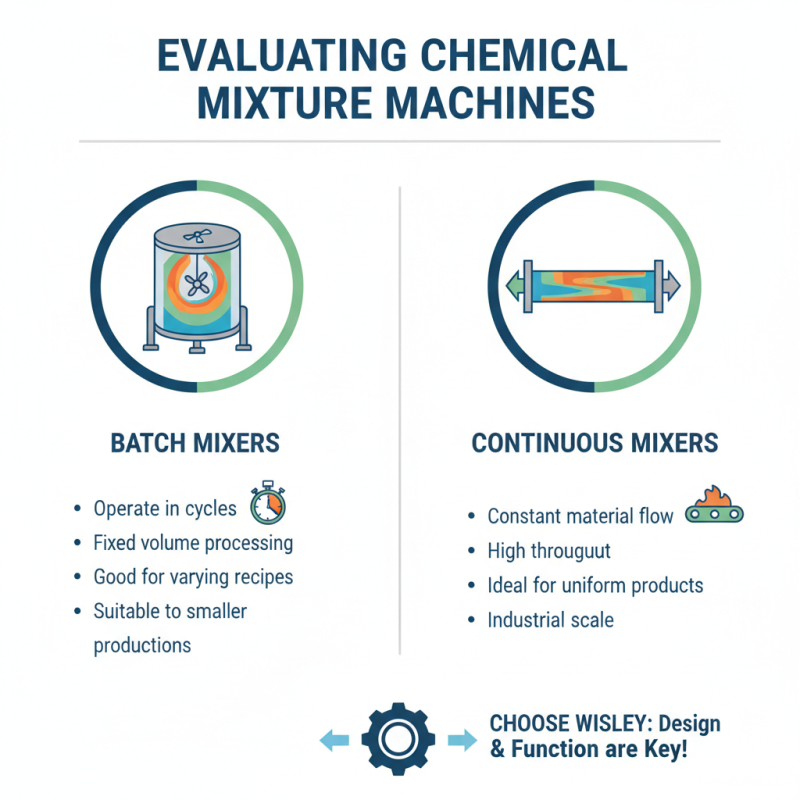
Choosing the right chemical mixture machine requires careful evaluation of different types available on the market. These machines can vary widely in design and function. For example, some are batch mixers, while others operate continuously. Understanding these differences is crucial for making an informed decision.
Batch mixers are ideal for smaller production runs. They allow precise control over the mixing process. However, they may not be efficient for large-scale operations. Continuous mixers, on the other hand, offer efficiency. They can handle high volumes but may lack the precision needed for certain applications.
Consider the materials you will be mixing. Some machines work better with powders, while others excel with liquids. Your specific needs will guide you in selecting the right type. It’s essential to also think about the machine's durability and maintenance requirements. A robust machine may offer longevity but could require more initial investment. Balancing cost and functionality is not always straightforward; this can lead to trial and error in your selection process.
Key Features to Consider in a Chemical Mixture Machine
When selecting a chemical mixture machine, understanding key features is crucial. One essential aspect is the mixing speed. According to industry reports, optimal mixing speeds ensure uniformity, reducing the risk of improper chemical reactions. A machine that allows adjustable speed provides flexibility for different formulas.
Another critical feature is the build material. High-quality stainless steel structures resist corrosion and contamination. Research shows that over 30% of production issues stem from inferior materials. It’s vital to ensure that the machine complies with safety standards to avoid potential hazards.
Consider the capacity of the machine as well. Many operations underestimate their needs, leading to constant equipment overload. A machine’s capacity should align with production demands to maintain efficiency. Additionally, the ability to monitor and adjust parameters in real-time enhances process control. Such features contribute to the reliability of the mixing process. However, be cautious; more features can mean increased complexity and maintenance challenges.
Assessing Quality and Durability of Mixing Equipment
When assessing the quality and durability of mixing equipment, several factors come into play. Material quality is paramount. Equipment made with high-grade stainless steel typically offers better resistance to corrosion and wear. According to a report by Research and Markets, over 55% of mixing equipment failures are due to material degradation. Ensuring that you're investing in durable materials can significantly prolong the lifespan of the machinery.
The design of the mixing machine also impacts its efficacy and durability. Machines with proper alignment minimize wear and tear. A well-structured design can help achieve consistent mixing, which is vital for product quality. According to industry analysis, approximately 40% of mixing equipment underperform due to poor design features. This highlights the importance of thorough assessments before making a purchase.
Lastly, maintenance plays a crucial role in the longevity of mixing equipment. Regular checks and services can catch potential issues early. A study from the International Journal of Industrial Engineering suggests that proactive maintenance can reduce equipment failure rates by up to 30%. Opting for machines that allow easy access for maintenance can enhance reliability. Investing in quality, thoughtful design, and maintenance will yield better outcomes in the long run.
How to Choose the Best Chemical Mixture Machine for Your Needs? - Assessing Quality and Durability of Mixing Equipment
| Machine Type |
Max Capacity (L) |
Power Rating (HP) |
Material Compatibility |
Durability Rating (Years) |
Price Range (USD) |
| Horizontal Mixer |
100 |
5 |
Powder, Granules |
10 |
$5,000 - $8,000 |
| Ribbon Blender |
200 |
7.5 |
Powders, Liquids |
12 |
$6,500 - $10,000 |
| Planetary Mixer |
50 |
3 |
Pastas, Thick Liquids |
8 |
$4,000 - $6,500 |
| Twin-Shaft Mixer |
300 |
10 |
Granulates, Mixtures |
15 |
$7,000 - $12,000 |
| Batch Mixer |
150 |
8 |
Liquids, Slurries |
11 |
$5,500 - $9,000 |