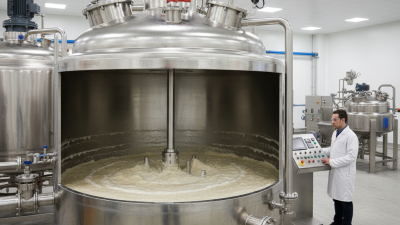
Choosing the right Liquid Mixer Machine can significantly impact production efficiency. Expert Julia Thompson, a renowned consultant in the mixing industry, states, "The right mixer can make or break your process." This highlights the importance of understanding your specific needs.
When selecting a Liquid Mixer Machine, consider the material properties of the liquids involved. Viscosity, temperature, and density play crucial roles in performance. Not all mixers can handle high-viscosity materials effectively. This makes your choice feel overwhelming at times.
Another key focus should be the capacity of the mixer. You don’t want to invest in a machine that is too large or too small for your requirements. Assessing production volume is essential. It's also vital to think about how easy it is to clean and maintain the machine. Minor details often influence long-term satisfaction.
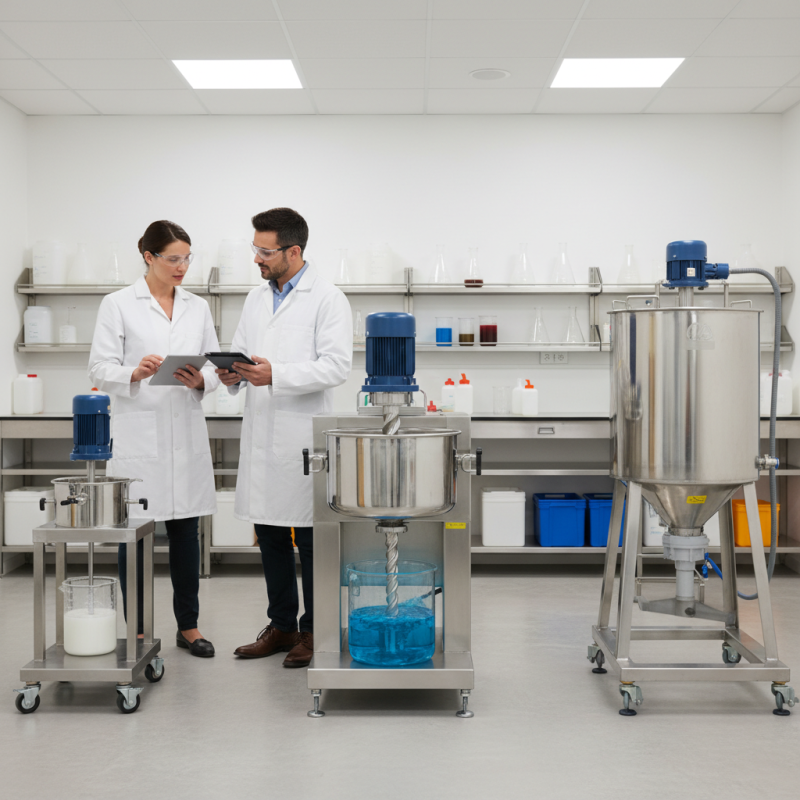
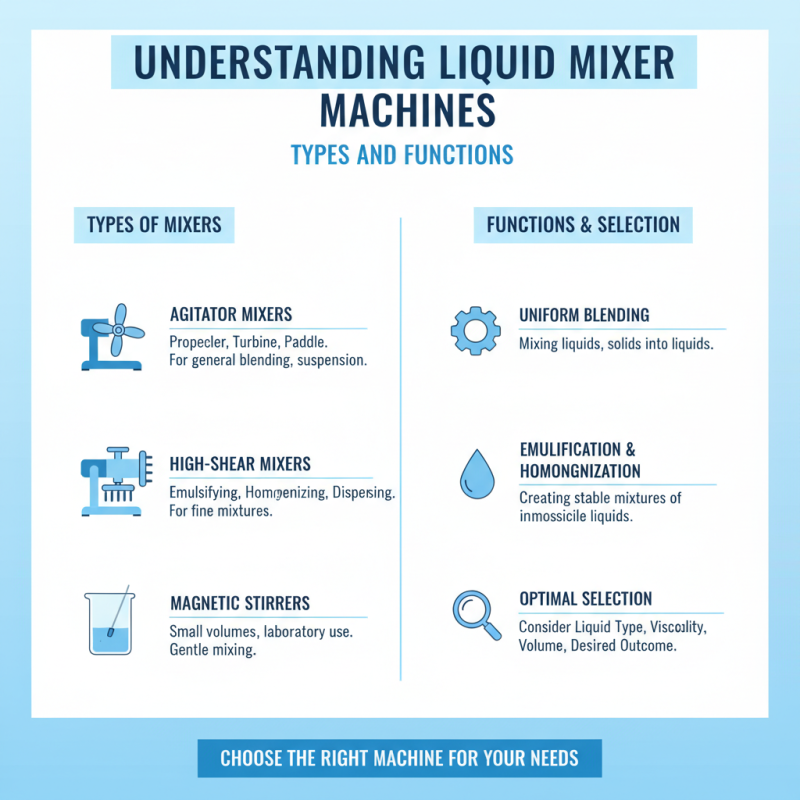
Liquid mixer machines come in various types, each serving unique functions. Understanding these types helps in selecting the right machine for your needs.
There are three primary categories: homogenizers, agitators, and stirrers. Homogenizers are designed to achieve uniformity in liquid mixtures. They utilize high pressure to break down particles. This results in a smooth, consistent product. Agitators, on the other hand, are ideal for mixing liquids with solids or gases. They create movement through mechanical stirring, promoting effective blending. Stirring machines are simpler and typically employed for basic mixing tasks.
When choosing a mixer, consider your specific application. The viscosity of the liquids, for example, can heavily influence performance. Some machines struggle with thicker mixtures, leading to inadequate blending. It's essential to assess your needs carefully. Additionally, how easy is it to clean and maintain? These factors may seem minor but can significantly impact long-term efficiency. Reflecting on these details ensures a more informed decision, aligning the machine's capabilities with your operational requirements.
When selecting a liquid mixer machine, it’s essential to consider several key factors. The type of liquids you’ll be mixing plays a significant role. Viscosity affects blending efficiency and requires specific types of mixers. For instance, thicker liquids may require more powerful machines. Understanding the characteristics of your mixture is crucial in making a choice.
Another important aspect is the capacity of the mixer. This decision depends on your production volume. A machine that's too small may lead to inefficiencies. A larger mixer can be a financial burden if not fully utilized. Evaluating your current needs and potential future demands will help guide this choice.
Maintenance and ease of cleaning are often overlooked. A complex machine may pose challenges in daily operations. If it takes too long to clean, it could delay production. Additionally, operator comfort and safety are vital. Machines should be user-friendly and equipped with safety features. This can reduce accidents and improve overall workplace morale. Each of these considerations reflects the importance of deliberate decision-making in choosing the right liquid mixer.
| Feature | Description | Importance |
|---|---|---|
| Mixer Type | Differs based on application (e.g., magnetic, inline, batch). | High |
| Capacity | Volume of liquid that can be mixed at one time. | Medium |
| Material Compatibility | Must be compatible with the liquids being mixed (e.g., corrosive substances). | High |
| Power Source | Electric or pneumatic options depending on the environment. | Medium |
| Speed Control | Ability to adjust mixing speed for different materials. | High |
| Ease of Cleaning | Design that allows for quick and thorough cleaning. | High |
| Safety Features | Protections against accidents and equipment failure. | High |
When choosing a liquid mixer machine, assessing your mixing needs is crucial. Two key factors are volume and viscosity. Different industries require specific mixing capabilities. For instance, food and beverage production often demands high volumes with varying viscosity levels. According to industry reports, liquids can range from water-like to thick pastes. Understanding these ranges helps in selecting the right equipment.
Volume requirements depend on production scale. Small batch operations might need a mixer that handles up to 50 gallons, while large-scale manufacturers could require equipment for thousands of gallons. It’s important to note that not all mixers can handle high-viscosity liquids effectively. With viscosity levels affecting flow rates, improper equipment can lead to inefficient mixing and wasted resources.
Selecting the appropriate mixer also requires reflection on specific applications. For instance, a mixer suitable for oil-based products may not perform well for high-solids content mixtures. Experts suggest conducting a viscosity test before purchasing. This analysis ensures that the chosen machine meets operational needs. Ultimately, careful evaluation prevents costly mistakes and optimizes production efficiency.
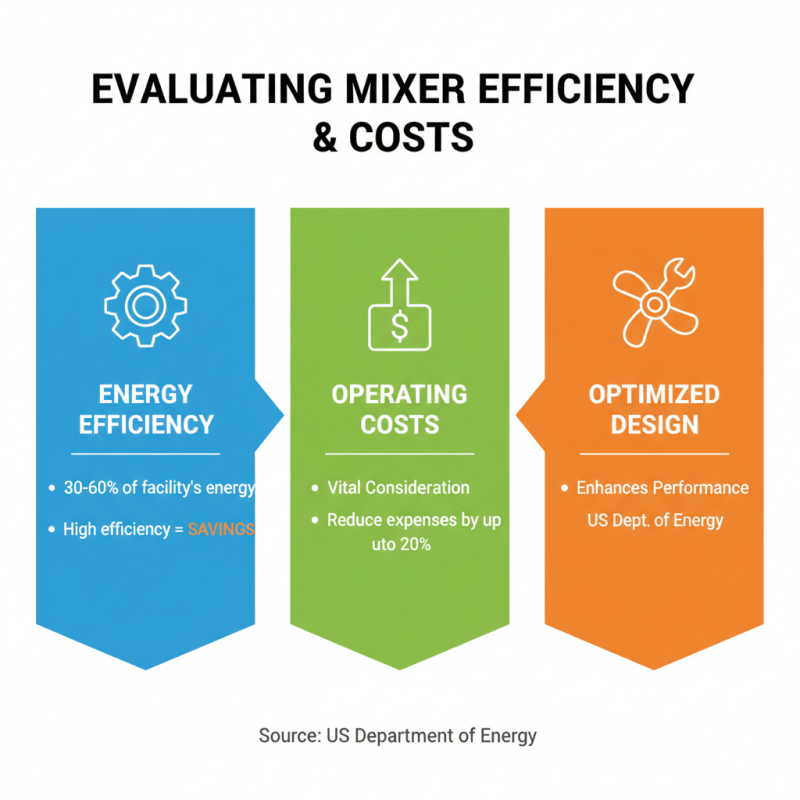
When selecting a liquid mixer machine, energy efficiency and operating costs are vital considerations. Studies show that mixing processes can account for 30-60% of a facility’s energy consumption. Therefore, choosing a mixer with high energy efficiency can lead to significant cost savings over time. According to the U.S. Department of Energy, optimizing the mixer design can enhance performance while reducing operational expenses by up to 20%.
Tips: Look for models designed with energy-saving features. These might include variable speed drives, which can adjust the motor speed according to the process needs. Evaluate the total cost of ownership, not just the initial purchase price.
Operational costs also include maintenance and downtime. Some mixers may require frequent repairs or special parts. It's essential to examine the availability of replacement parts and service support in your region. A 2021 report from the International Mixers Association highlighted that companies encounter unexpected costs due to inadequate maintenance protocols. Regular servicing can reduce these surprises.
Tips: Keep track of your mixer's performance metrics. Understand when and why issues occur. This proactive approach can extend the life of the equipment as well.
Maintaining a liquid mixer machine is vital for its longevity. Regular maintenance ensures efficient operation and minimizes unexpected breakdowns. Check for wear and tear on seals, blades, and gaskets. Neglecting these parts can lead to poor mixing performance.
Cleaning is equally important. Residue buildup can affect the quality of your mixtures. After each use, disassemble the machine for thorough cleaning. Use appropriate cleaning agents that do not damage the materials. A clean mixer not only functions better but also lasts longer.
Invest in quality components when selecting a mixer. This choice often pays off with higher durability. However, lower-cost options may seem attractive, they often require more maintenance. A balance is essential to ensure your mixer meets both performance and durability needs.
This bar chart displays the durability ratings of various materials used in liquid mixer machines, indicating their longevity and suitability for different applications. Stainless steel and titanium are rated the highest for durability, making them ideal choices for long-term use.