How to Choose the Best Stainless Steel Mixing Tanks?
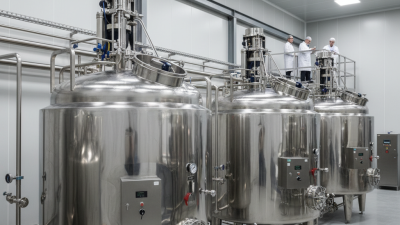
Choosing the right mixing tanks stainless steel can significantly impact your production process. These tanks are essential for various industries, including food and beverage, pharmaceuticals, and chemical manufacturing. They offer durability, corrosion resistance, and the ability to maintain product quality.
Understanding your specific needs is crucial when selecting mixing tanks stainless steel. Factors such as tank capacity, mixing requirements, and operating conditions play a vital role in this decision. It’s not just about choosing the tank with the highest specifications; it’s about finding the best fit for your operations. Many buyers overlook the importance of compatibility with existing equipment.
There is a wide range of options available, and reading specifications can be overwhelming. Some tanks might promise more than they can deliver, leading to potential issues. Consider reaching out to industry experts for insights. Their experiences can provide valuable guidance in your selection process. Getting it right is not always straightforward, but the right approach will help you ensure quality and efficiency in your operations.
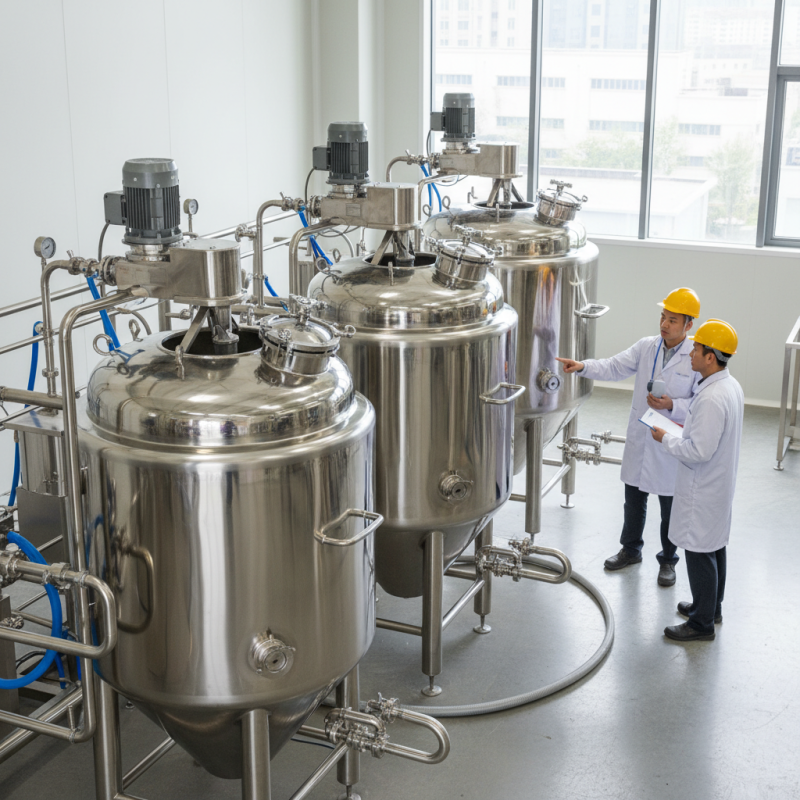
Factors to Consider When Selecting Stainless Steel Mixing Tanks
Choosing the right stainless steel mixing tanks is crucial for various industries. Several factors influence this decision. Assessing the tank's size is essential. It should accommodate your production needs without wasting space. Smaller tanks may limit output, while larger ones can lead to inefficiencies.
Material grade also matters. Different grades of stainless steel offer distinct benefits and durability levels. Higher grades resist corrosion better, but they may also raise costs. Always weigh the benefits against your budget constraints.
Consider the tank's design and features. Specialized mixing blades can enhance efficiency but may require more maintenance. Also, think about cleaning protocols. Tanks that are hard to clean may harbor contaminants. Balancing these aspects can be challenging but is vital for optimal operations.
Understanding Different Types of Stainless Steel and Their Grades
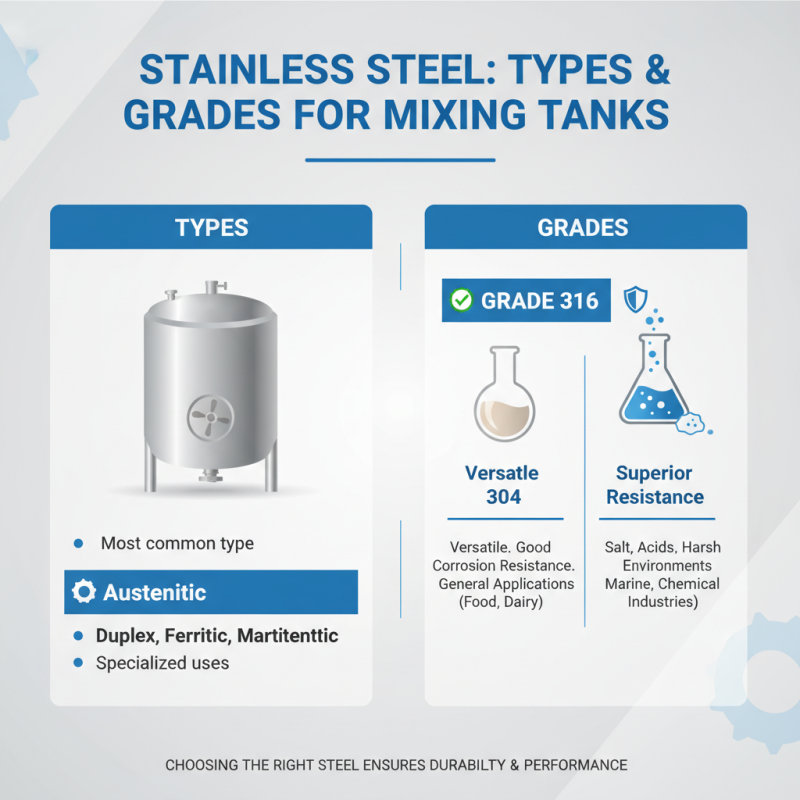
When choosing a stainless steel mixing tank, understanding the types and grades of stainless steel is crucial. Stainless steel is classified into several types, each with distinct properties. The most common grades are 304 and 316. Grade 304 is versatile and resistant to corrosion, making it suitable for many applications. In contrast, 316 offers superior resistance to salt, acids, and other harsh environments.
The choice between these grades depends on the specific needs of your process. If your mixing tank will handle acidic materials, grade 316 is preferable due to its added molybdenum content. However, 316 is often more expensive than 304. Therefore, you may end up spending more without a clear necessity. Consider the chemicals involved and their reaction with stainless steel. It’s essential to do this analysis to prevent potential failures in your mixing operations.
Using lower-grade stainless steel might seem cost-effective initially, but it may lead to decreased durability and increased maintenance over time. There is a balance to strike; opting for a higher grade may seem excessive in low-risk environments. Reflecting on your specific needs can guide you toward the best choice. Examine the long-term costs, not just the upfront investment. Every detail counts when selecting the right mixing tank.
Evaluating Tank Capacity: How to Determine Your Needs
Choosing the right tank capacity for your stainless steel mixing tank is crucial. Start by assessing your production needs. Consider the volume of materials you often mix.
Too small a tank leads to constant refills. Too large means wasted space.
Next, evaluate the batch size of your processes. If your batches vary, think about a tank that can accommodate the largest volume. Flexibility often trumps capacity in dynamic environments.
Analyzing production schedules can also highlight peak times needing larger tanks.
Finally, weigh the available floor space against the required capacity. Sometimes what seems ideal in theory may not fit physically. Reflecting on past operations can offer insights.
Addressing potential mismatches between ideal capacity and practical limitations ensures better decisions.
Cost vs. Quality: Making Informed Purchasing Decisions
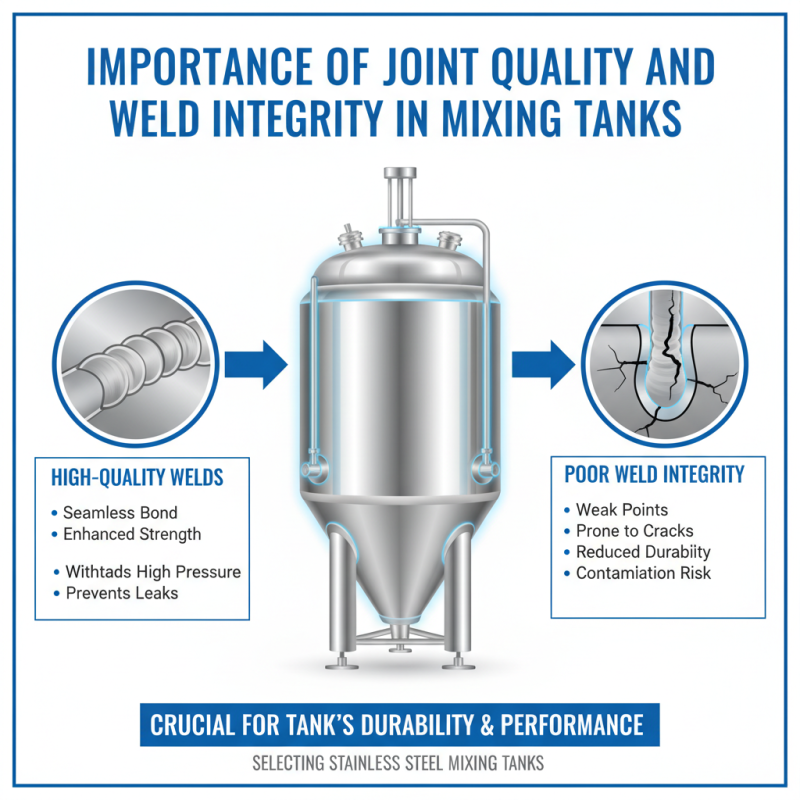
When choosing stainless steel mixing tanks, striking the right balance between cost and quality is crucial. Lower-priced tanks may seem appealing, but they often compromise on durability and performance. Look for tanks made from high-grade stainless steel, as this ensures longevity and resistance to corrosion. A cheaper option might save money initially, but it can lead to higher maintenance costs over time.
Quality also relates to how well a tank meets your specific needs. Features like the tank's capacity, design, and ease of cleaning should align with your application. Consider the consequences of purchasing a tank that doesn't fit well. It affects your production efficiency. While higher-quality tanks may require a larger investment upfront, they can offer significant savings in the long run. An informed decision focuses on both immediate costs and future operational needs.
Reflect on what compromises you're willing to make. A balance of quality and cost needs careful thought and insight. Evaluate your operational requirements and apply that to your budget. A decision rooted in quality can lead to better performance and reduced headaches in the future. Choosing wisely means understanding that value is not just about the initial price tag; it is about comprehensive performance and reliability.
How to Choose the Best Stainless Steel Mixing Tanks? - Cost vs. Quality: Making Informed Purchasing Decisions
| Model |
Capacity (Liters) |
Material Grade |
Price ($) |
Warranty (Years) |
User Rating (out of 5) |
| ST-1000 |
1000 |
304 |
2,500 |
3 |
4.5 |
| ST-2000 |
2000 |
316 |
3,750 |
5 |
4.7 |
| ST-3000 |
3000 |
304 |
4,500 |
4 |
4.6 |
| ST-4000 |
4000 |
316 |
5,500 |
6 |
4.8 |