How to Choose the Best Stainless Steel Mixing Vessel for Your Needs?
Choosing the right Stainless Steel Mixing Vessel is crucial for various applications. These vessels are essential in industries such as food processing, pharmaceuticals, and chemicals. They offer durability, resistance to corrosion, and ease of cleaning. Selecting the wrong vessel can lead to ineffective mixing and wasted resources.
When considering a Stainless Steel Mixing Vessel, expertise plays a key role in understanding your specific needs. The size, shape, and capacity of the vessel matter significantly. It’s important to evaluate the materials you will be mixing. Certain ingredients may require specialized features that a standard vessel cannot provide.
Reflecting on previous experiences can offer insights. Many users find themselves dissatisfied when overlooking details like insulation or agitation mechanisms. Each choice shapes the efficiency and outcome of mixing processes. Therefore, careful thought is needed. Your goal should be to invest in a vessel that supports your operations effectively.
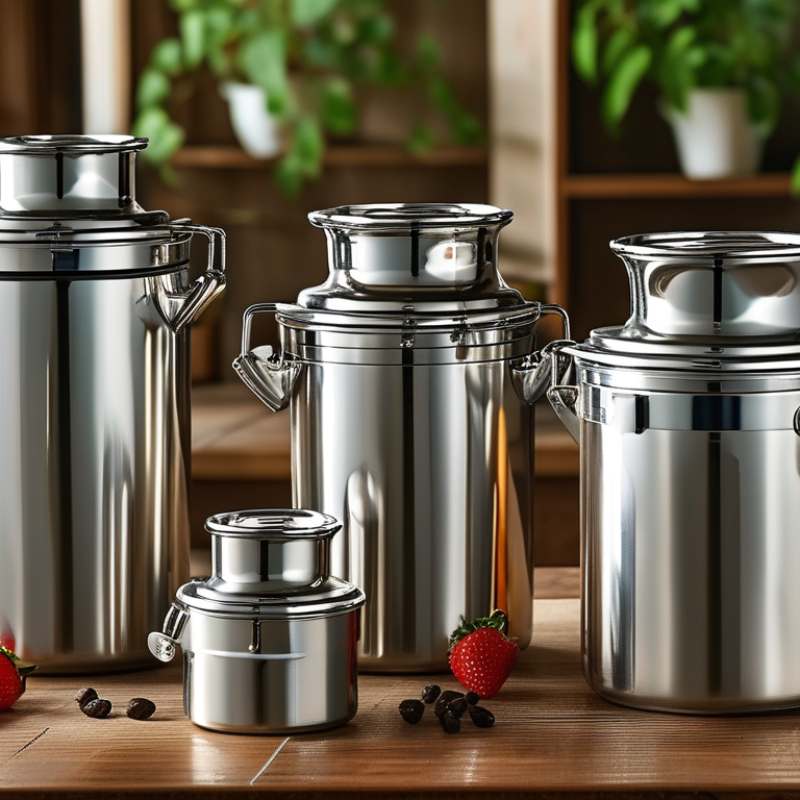
Understanding the Different Types of Stainless Steel Mixing Vessels
When selecting a stainless steel mixing vessel, it’s crucial to understand the various types available. The most common types include cylindrical mixing vessels, conical mixers, and tank mixers. Each design serves different purposes and functions in various industries. Cylindrical vessels offer uniform mixing for liquids and powders. Their shape ensures consistent agitation, making them ideal for chemical processes.
Conical mixers, on the other hand, provide better gravity flow for solid materials. This design minimizes product wastage and enhances mixing efficiency. The tapered shape allows for easy discharge, especially in powder handling.
If your application involves both liquids and solids, consider a tank mixer. They are versatile and accommodate a wide range of materials.
However, not every vessel suits every need. You may find a vessel appears perfect but lacks specific features. Always analyze the vessel's size, capacity, and material compatibility with your substances. Sometimes, less expensive options can lead to unexpected complications. Properly assessing these factors will help prevent future issues and ensure smoother operations.
Key Features to Consider When Choosing a Mixing Vessel
When selecting a stainless steel mixing vessel, several key features stand out. The quality of the stainless steel is crucial. Look for vessels made from 304 or 316 grades. These materials resist corrosion and maintain durability over time. A polished surface will also facilitate easy cleaning, reducing the risk of contamination. Consider the size and capacity needed for your specific applications. A larger vessel might be beneficial for batch processing, while a smaller one could suffice for laboratory use.
A well-designed mixing vessel should have an effective agitator. This ensures uniform mixing of materials. Many vessels come with adjustable speed settings, allowing for different mixing requirements. It’s surprising how often users overlook this feature. An agitator that can adapt to various viscosities can greatly improve mixing efficiency. Pay attention to the vessel’s shape. A conical design often provides better flow dynamics.
When choosing your vessel, think about portability. Some applications require transport between locations. Wheels or handles may be essential. Always assess how easy it is to store the vessel. Limited space can be a valid concern. It’s easy to underestimate the importance of storage compatibility. Reflection on these aspects will lead to a more satisfactory purchase.
Evaluating the Size and Capacity for Your Mixing Needs
When selecting a stainless steel mixing vessel, size and capacity are crucial. Industry reports indicate that about 70% of production downtime can be attributed to improper vessel sizing. Analyzing your specific mixing needs will help avoid such inefficiencies. Consider the volume of materials you regularly mix. If your operation requires frequent changes in batch sizes, a versatile vessel that offers adjustable capacity can be beneficial.
Another aspect is the physical dimensions of the vessel. A large vessel may seem advantageous for bulk operations, but it can hinder mixing efficiency if it’s too spacious for smaller batches. The recommended ratio of mixing space to volume is typically around 1:10 for optimal results. Smaller vessels allow for better control and faster mixing times. According to experts, using a vessel that is precisely matched to your batch size can enhance product quality and minimize waste.
Reflect on your operational flow. An oversized or improperly sized vessel can lead to issues, such as prolonged mixing times and uneven blending. It's important to assess your production cycle and consider how your vessel choice impacts workflow efficiency. Balancing these factors will ensure that your mixing process is both effective and sustainable.
Evaluating the Size and Capacity for Your Mixing Needs
Analyzing Material Quality and Durability of Stainless Steel
When selecting a stainless steel mixing vessel, the material quality and durability are critical factors to consider. Stainless steel comes in various grades, primarily 304 and 316. According to recent industry reports, grade 304 is commonly used for food applications due to its excellent corrosion resistance and versatility. However, for environments exposed to harsher chemicals, grade 316 offers superior resistance, thanks to its molybdenum content.
Durability is paramount, especially in commercial settings. A study from the International Stainless Steel Forum indicates that proper maintenance can extend the lifespan of stainless steel equipment significantly. Regular cleaning and avoiding abrasive materials can reduce wear and tear. Even minor scratches can compromise the protective layer, leading to rust over time. Visual inspections are essential for identifying potential issues before they escalate.
While the appeal of stainless steel lies in its aesthetic and durability, not all vessels are created equal. Variations in manufacturing processes can affect a vessel’s performance. For example, poorly welded joints may weaken structural integrity. Understand the production standards and certifications of your chosen vessel. This knowledge can ensure that the mixing vessel meets industry standards and performs reliably over its intended lifespan.
Assessing Cost-Effectiveness and Budget Considerations for Purchase
Choosing the right stainless steel mixing vessel involves careful consideration of cost-effectiveness. It’s essential to assess both initial purchase costs and long-term value. While cheaper vessels may seem appealing, they often lack durability. A high-quality mixing vessel can withstand frequent use without rust or warping. Therefore, investing in a reliable product can save money in the long run.
It’s also crucial to calculate your budget realistically. Think about all costs, including maintenance and potential replacements. Sometimes, spending a bit more now can prevent higher expenses down the road. Consider your specific needs. Are you mixing large batches or just a few? The size and capacity of the vessel matter. Small vessels may be more affordable, but frequent replacements could add up quickly.
Remember to analyze your specific requirements. Each mixing task might demand a different vessel design. Assess features like temperature resistance and ease of cleaning as these can influence your experience. A vessel that doesn’t meet your needs can lead to frustrations. Make calculated choices based on your mixing tasks to find the perfect balance between cost and effectiveness.