How to Choose the Right Chemical Mixer Machine for Your Needs?
Choosing the right Chemical Mixer Machine can be a daunting task. It's crucial to understand your specific needs. Industry expert Dr. Emily Hartman emphasizes, "Selecting the appropriate mixer is vital for achieving optimal results in any chemical process."
With various types, capacities, and functions, Chemical Mixer Machines differ significantly. Each machine serves distinct purposes, from blending small batches to large-scale production. It's essential to assess the materials you will be mixing and the desired outcome. Furthermore, many overlook energy efficiency and maintenance costs. A machine that looks perfect on paper might not be practical over time.
Reflecting on your requirements can direct you to a suitable choice. Careful consideration will save you both time and money. Don't rush the decision. Take time to evaluate all options. In an ever-evolving industry, staying informed about technological advancements can also guide your choice. The right Chemical Mixer Machine could greatly enhance your production quality and efficiency.
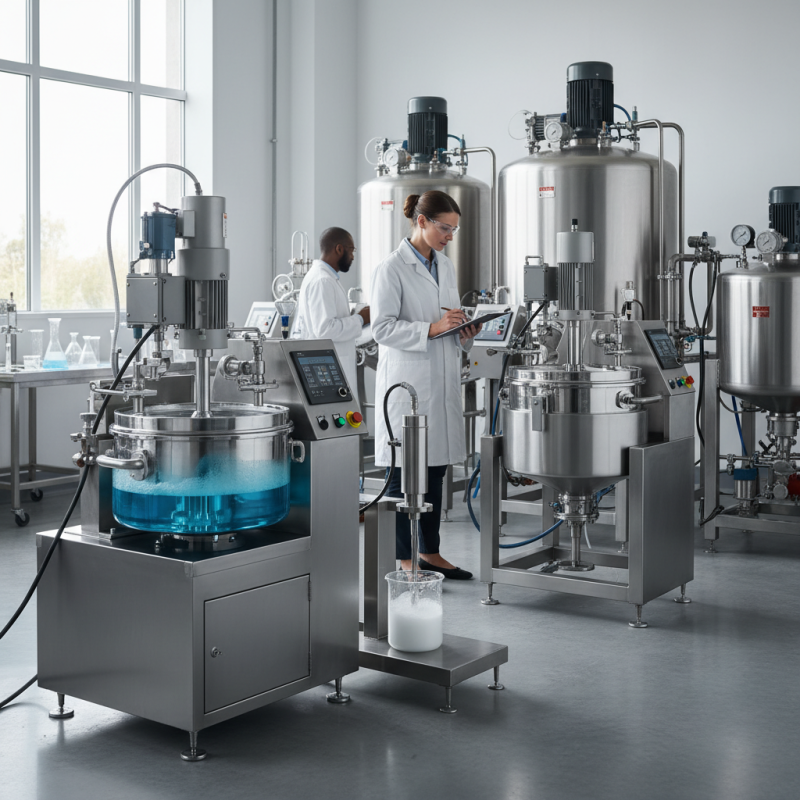
Understanding the Different Types of Chemical Mixer Machines
When it comes to chemical mixer machines, understanding the different types is essential. Each type serves unique manufacturing needs. For example, batch mixers are ideal for mixing small quantities of materials. These machines allow for precise control over the mixing process, but they can be less efficient for larger operations.
Continuous mixers, on the other hand, support high-volume production. They maintain a steady flow of materials, making them perfect for large-scale processes. However, continuous mixers may not provide the same level of homogeneity as batch mixers. For some manufacturers, achieving a perfect blend can be challenging. This reflects the need to assess what best suits your production goals.
Planetary mixers offer versatility. They can handle a variety of materials, including viscous substances. Yet, they may require more maintenance due to their complex design. This highlights the importance of regular check-ups for optimal performance. Lastly, consider the material and construction of the mixer. A durable machine can withstand the rigors of chemical mixing while ensuring safety and effectiveness. Making an informed choice ensures your operations run smoothly and reliably.
Evaluating Your Material Properties for Mixer Selection
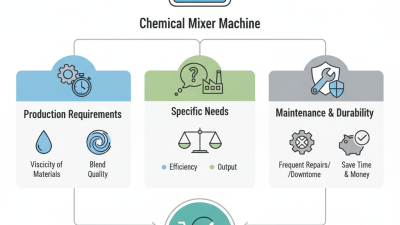
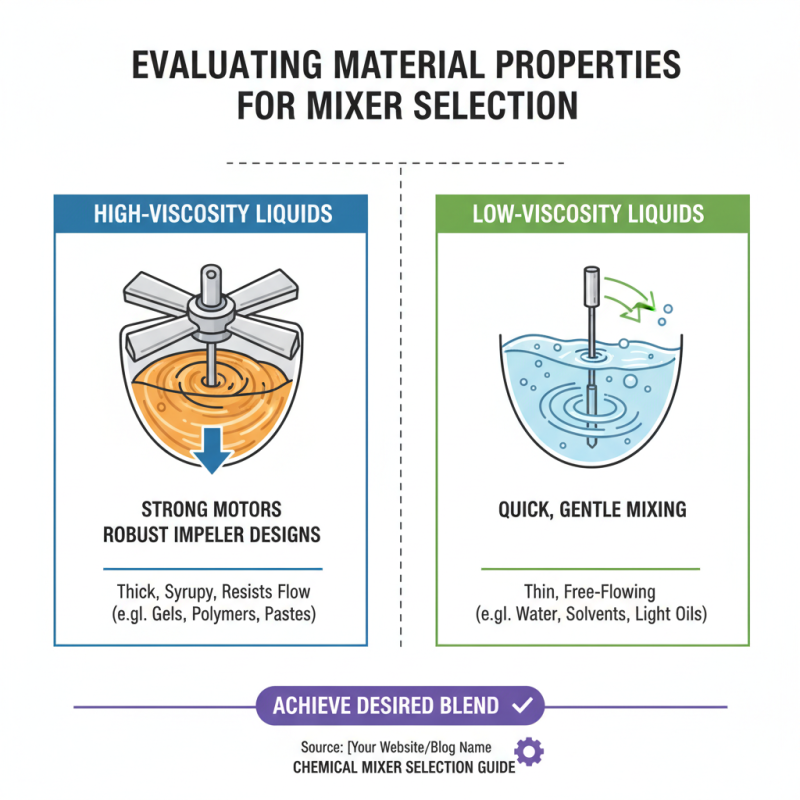
When selecting a chemical mixer machine, understanding your material properties is crucial. Different materials exhibit unique behaviors when mixed. For example, viscosities can vary widely. High-viscosity liquids require mixers with strong motors and appropriate impeller designs. In contrast, low-viscosity substances may need quicker, less intensive mixing processes. This differentiation is essential for achieving the desired blend.
Consider particle size distribution as well. Powders can vary in size, and smaller particles may need slower mixing speeds to prevent clumping. Conversely, larger particles often require more vigorous mixing to ensure uniform distribution. Analyzing your material properties allows for better machine selection.
Moisture content is also significant. Wet materials can adhere to the mixer walls, affecting efficiency. It’s important to choose a mixer designed to handle such challenges. Assess these factors carefully. Errors in machine selection can lead to inefficiencies or poor mixing quality. Regular evaluation and adjustments based on the properties of your materials can help refine your mixer choice.
Assessing Capacity and Scale of Production Needs
When selecting a chemical mixer machine, understanding your production scale is crucial. Assessing capacity begins with evaluating the volume of materials you'll process. Small batches require a different approach than large industrial needs. A lab-scale mixer may suffice for research purposes, while larger operations demand robust and efficient mixers. Think about the maximum batch size you anticipate running and ensure your chosen machine can handle it comfortably.
Next, consider the speed and consistency of mixing required. Different products have unique properties. Some need gentle mixing, while others require high shear. The right mixer must align with your specific material characteristics.
Evaluate the mixing time too. A faster mix might increase output, but it could compromise product quality. Reflect on how both speed and quality affect your end product. Understanding these dynamics is key to making an informed choice.
Key Features to Look for in a Chemical Mixer
When selecting a chemical mixer machine, focus on key features that match your specific needs. One crucial aspect is the mixer type. There are various types, like batch and continuous mixers. Batch mixers are ideal for small volumes. Continuous mixers serve high-volume demands. Think about your production scale.
Pay attention to the capacity specifications. Choosing a mixer with the right capacity prevents bottlenecks in your workflow. If the machine is too small, it may slow down your process. On the contrary, a machine that is too large may waste resources.
Tips: Assess the materials of construction. A mixer made from quality materials will ensure durability and minimize contamination. Also, consider the ease of cleaning. A machine that’s difficult to clean can lead to inconsistent product quality. Always examine the maintenance requirements, too. Regular upkeep is essential for optimal performance.
Budget Considerations and Cost-Effectiveness Analysis
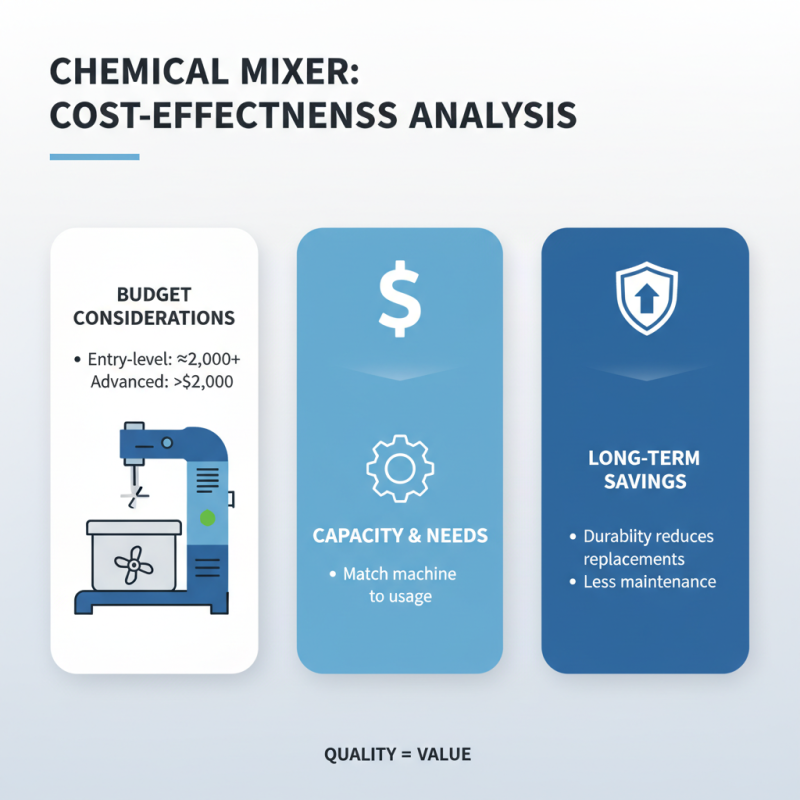
When considering a chemical mixer machine, budget is crucial. Recent industry reports indicate that mixer prices can vary greatly. Entry-level models might start at around $2,000, while advanced options can exceed $20,000. Assess your capacity needs against these figures. Selecting a higher-quality machine can result in long-term savings. Equipment that endures heavy use often reduces replacement costs and maintenance.
Cost-effectiveness also includes energy consumption. Energy-efficient mixers can lower operational costs significantly. Studies show that, over time, a more efficient model can save up to 30% on energy bills. Look for units designed with modern technology that optimize energy use. These features might include smart controls or variable speed settings.
Consider maintenance costs as well. Some machines require frequent servicing, which can inflate overall expenses. Reliable data suggests that poor maintenance choices lead to a 20% increase in long-term costs. Analyze potential downtime associated with different models. The right choice may involve a higher upfront cost but can lead to savings that justify the investment over time.