How to Choose the Right Cream Mixer Machine for Your Needs
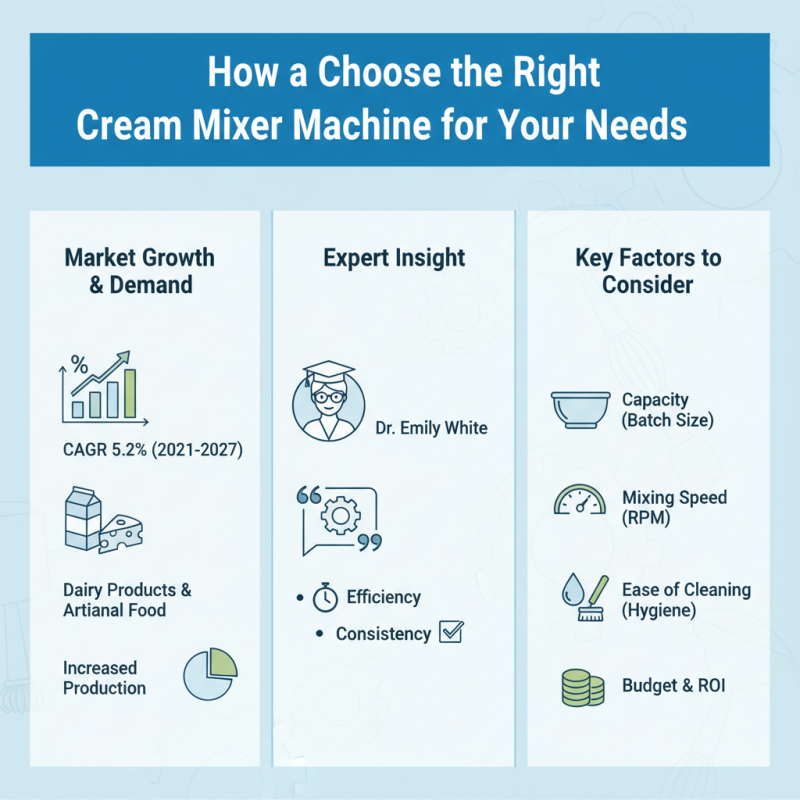
Choosing the right Cream Mixer Machine is crucial for businesses in the food production industry. According to a recent report by Market Research Future, the cream mixer machine market is projected to grow at a CAGR of 5.2% from 2021 to 2027, driven by the increasing demand for dairy products and the rise of artisanal food production. As the market expands, it becomes increasingly important for manufacturers and producers to select equipment that meets their specific production needs, efficiency standards, and budget constraints.
Industry expert Dr. Emily White, a leading authority on food processing equipment, emphasizes that "The right Cream Mixer Machine can significantly enhance production efficiency and product consistency." This statement underscores the importance of understanding the various features and specifications of cream mixers, such as capacity, mixing speed, and ease of cleaning. With a plethora of options available, businesses must carefully consider their unique requirements to optimize their investment and improve their overall operational output. In this guide, we will explore the essential factors to consider when selecting a Cream Mixer Machine tailored for your needs.
Understanding the Different Types of Cream Mixer Machines
When it comes to selecting a cream mixer machine, understanding the different types available is crucial for ensuring that you make the right choice for your needs. There are primarily three types of cream mixer machines:
handheld mixers,
stand mixers, and
industrial mixers. Each of these machines has its distinct advantages and is designed for varying scales of production.
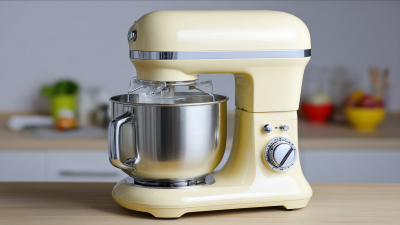
Handheld mixers are ideal for small-scale operations and home baking enthusiasts. They are lightweight, portable, and easy to store, making them perfect for occasional use. With various speed settings, they can effectively whip cream with minimal effort, but they may not be suitable for larger batches. On the other hand, stand mixers are more powerful and come equipped with larger mixing bowls, allowing for greater quantities of cream to be processed at once. They often feature multiple attachments, which can handle a variety of tasks beyond mixing cream, such as kneading dough or incorporating ingredients.
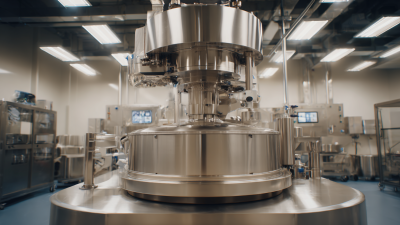
For those in commercial settings, industrial mixers represent the pinnacle of efficiency and capacity. These machines are built to handle large volumes of cream, making them essential for bakeries and pastry shops. Industrial mixers often come with robust features such as heavy-duty motors and advanced technology to ensure consistency in mixing, which is vital for maintaining the quality of cream products.
Understanding the differences between these types allows businesses and individual users alike to choose the most suitable cream mixer that aligns with their production needs and workflow.
Identifying Your Specific Mixing Needs and Requirements
When selecting a cream mixer machine, it is essential to first identify your specific mixing needs and requirements. Start by assessing the type of creams you plan to mix, whether they are for culinary purposes like whipped cream or for cosmetic formulations. Different applications may require varying degrees of mixing intensity, so understanding the texture and consistency you wish to achieve can guide your choice. Additionally, consider the batch sizes you will typically handle; a home kitchen might need a smaller, more compact mixer, while larger operations will benefit from high-capacity machines.
Next, evaluate the features that are important to you. Do you need a machine with variable speed settings to customize your mixing technique? Are there specific accessories or attachments that would aid in your process, such as whisking or kneading tools? Furthermore, consider ease of cleaning and maintenance since mixing cream can result in sticky residues. A machine with detachable parts or a streamlined cleaning process can save significant time and effort, making your overall workflow more efficient. By carefully considering these factors, you can make an informed decision that aligns with your mixing requirements and enhances your overall productivity.
How to Choose the Right Cream Mixer Machine for Your Needs
| Feature |
Standard Requirement |
High-End Requirement |
Notes |
| Capacity |
10-20 liters |
30-50 liters |
Choose based on production needs. |
| Mixing Speed |
100-300 RPM |
300-600 RPM |
Variable speed options may be beneficial. |
| Power Consumption |
0.5-1 kW |
1-3 kW |
Consider energy efficiency ratings. |
| Material Quality |
Stainless steel |
Food grade stainless steel with coatings |
Ensure materials comply with food safety standards. |
| Noise Level |
Below 75 dB |
Below 60 dB |
Look for machines with soundproof designs. |
| Ease of Cleaning |
Moderate |
Easy disassembly and dishwasher safe |
Essential for food safety compliance. |
Evaluating the Features and Specifications of Cream Mixers
When evaluating the features and specifications of cream mixer machines, it is essential to consider the capacity and efficiency tailored to your specific needs. The mixing capacity determines how much cream can be processed at one time, which is crucial for both small-scale and large-scale operations. Machines come in various sizes, from compact models suitable for home use to industrial units capable of handling significant volumes. Additionally, look for a machine with a high mixing speed and power output, as these factors can significantly influence the quality and consistency of the cream produced.
Another key feature to consider is the type of mixing mechanism employed in the machine. Some mixers use traditional paddle systems, while others may incorporate advanced technology such as high-shear mixing or planetary mixing. These different methods affect how well the cream is emulsified and aerated, which can further enhance the texture and flavor. Furthermore, consider the machine’s ease of cleaning and maintenance; a design that minimizes residue buildup will save you time and effort. Energy efficiency and noise levels are also important specifications that can impact your overall operational costs and the working environment. By focusing on these critical features, you can identify the cream mixer machine that best suits your requirements.
Assessing Budget Considerations and Cost-Effectiveness
When choosing a cream mixer machine, one of the most crucial factors to consider is your budget. Assessing your financial capacity will help you narrow down your options significantly. Higher-end machines often come with advanced features, better durability, and increased efficiency, which can justify their higher price tags. However, if your operations are modest or if you are just starting, a more budget-friendly model might meet your needs without the added financial strain. Understanding your specific requirements and the expected volume of use can help determine the right price range for you.
Cost-effectiveness is another vital aspect to evaluate when selecting a cream mixer machine. It’s essential not only to look at the initial purchase price but also to consider operational costs, maintenance, and longevity. A more expensive machine that is energy-efficient and requires fewer repairs in the long run may prove to be more economical than a cheaper machine that breaks down frequently. Additionally, factor in the availability of replacement parts and customer support, which can affect long-term satisfaction and cost. Overall, a careful analysis of your budget alongside these elements will ensure you make a choice that supports both your current needs and future growth.
Reading Reviews and Recommendations for Cream Mixer Machines
When searching for the ideal cream mixer machine, reading reviews and recommendations can significantly influence your decision. These insights from other users can provide an authentic perspective on performance, durability, and efficiency. Seek out reviews that highlight usage experiences in different settings, such as home kitchens versus commercial bakeries. This context can help you gauge whether a specific model suits your particular needs.
Tips: Pay attention to both positive and negative feedback in reviews. Users often mention common issues that you may not have considered, such as noise levels or ease of cleaning. Additionally, look for detailed reviews that specify how well the machine performs with various cream types and consistencies. If possible, check forums and social media groups where baking enthusiasts share their genuine experiences, as this can lead you to valuable recommendations.
Consider your specific requirements and ensure that any recommendations align with your intended use. For instance, if you plan to make large batches for a café, a robust model with a larger capacity will be essential. Conversely, for occasional home use, a more compact mixer might suffice. Taking the time to read diverse reviews can help clarify which features are most important to you, ensuring you select the right mixer for your culinary pursuits.