2026 How to Choose Mixing Tanks Stainless Steel for Your Applications?
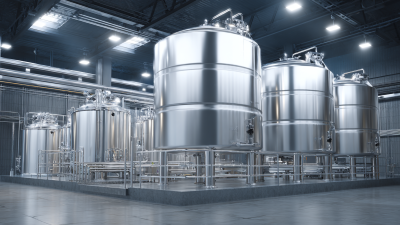
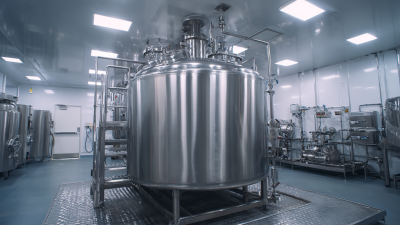
Choosing the right mixing tanks stainless steel for your specific application is crucial. These tanks play a vital role in industries like food processing, pharmaceuticals, and chemicals. Selecting the wrong tank can lead to inefficiencies and safety issues.
When considering mixing tanks, it's essential to evaluate factors such as size, mixing capacity, and material grade. Stainless steel tanks offer durability and resistance to corrosion. They ensure product purity and can withstand rigorous processes. However, not all stainless steel is the same. Some grades may be more suitable for certain applications than others.
Evaluating your needs requires expertise and careful consideration. A poorly chosen tank can compromise product quality and operational efficiency. Reflecting on your specific needs will guide you in making an informed decision. Ultimately, the right mixing tanks stainless steel can enhance your production process. Think through all your options thoroughly before making a commitment.
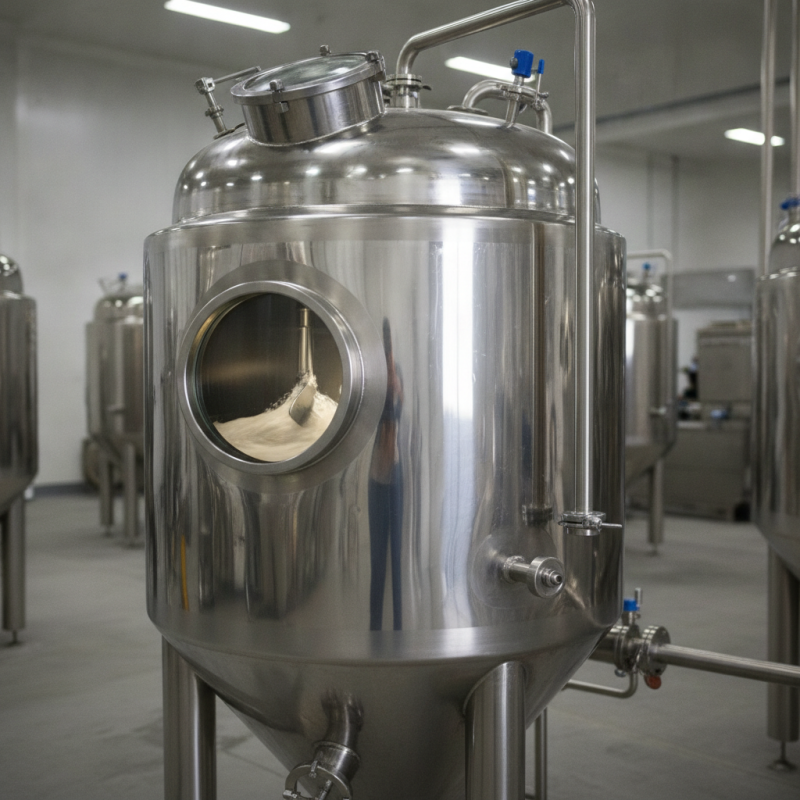
Factors to Consider When Selecting Stainless Steel Mixing Tanks
When selecting stainless steel mixing tanks, several factors warrant careful consideration. The grade of stainless steel is crucial. For instance, 316 stainless steel offers enhanced corrosion resistance, making it suitable for applications in food and pharmaceuticals. A report from the International Stainless Steel Forum indicates that 316 stainless steel comprises about 45% of global stainless steel consumption in these industries.
Another important aspect is the tank's volume. It should align with your production needs. Tanks that are either too small or too large can lead to inefficiencies. Research from a 2022 industry analysis highlighted that properly sized tanks could improve mixing efficiency by 30%. Additionally, the tank's design affects how well ingredients combine. Consider whether you need a tank with agitation capabilities or one that allows for gravity mixing.
Understanding the cleaning and maintenance requirements is also essential. Stainless steel is typically easier to clean, yet its surface finish plays a role in hygienic practices. A rougher surface can harbor bacteria, impacting product quality. Regular maintenance is necessary to preserve the tank's integrity and functionality. The ASM International recommends routine checks to prevent corrosion or structural failures. Balancing these considerations helps ensure the tank meets your operational needs effectively.
Different Types of Stainless Steel Used in Mixing Tanks
When selecting mixing tanks, the choice of stainless steel is crucial. Various grades of stainless steel offer distinct properties suited for different applications. For instance, grade 304 is widely used due to its excellent corrosion resistance and toughness. It’s ideal for food processing and pharmaceutical industries, where purity is paramount.
However, grade 316 stainless steel excels further. It contains molybdenum, providing superior resistance to corrosion in chloride environments. This makes it a preferred choice for marine applications and chemical processing. According to a report by Global Industry Analysts, the demand for 316 stainless steel in mixing tanks is projected to grow by 7% annually.
Choosing the right type means evaluating durability, maintenance, and cost. Many producers face challenges like pitting corrosion when using lower-grade stainless steel. This can lead to contamination, affecting product integrity. Understanding these nuances in stainless steel can lead to better decisions for long-term operational success. The wrong choice can incur extra costs and operational setbacks.
2026 How to Choose Mixing Tanks Stainless Steel for Your Applications? - Different Types of Stainless Steel Used in Mixing Tanks
| Type of Stainless Steel |
Corrosion Resistance |
Strength |
Typical Applications |
| 304 Stainless Steel |
Good |
Moderate |
Food and Beverage, Pharmaceutical |
| 316 Stainless Steel |
Excellent |
High |
Chemical Processing, Marine Applications |
| 2205 Duplex Stainless Steel |
Very Good |
Very High |
Oil and Gas, Desalination |
| 904L Stainless Steel |
Excellent |
High |
Pharmaceutical, Pollution Control |
| Ferritic Stainless Steel |
Good |
Moderate |
Automotive, Kitchen Equipment |
Understanding the Capacity Requirements for Mixing Tanks
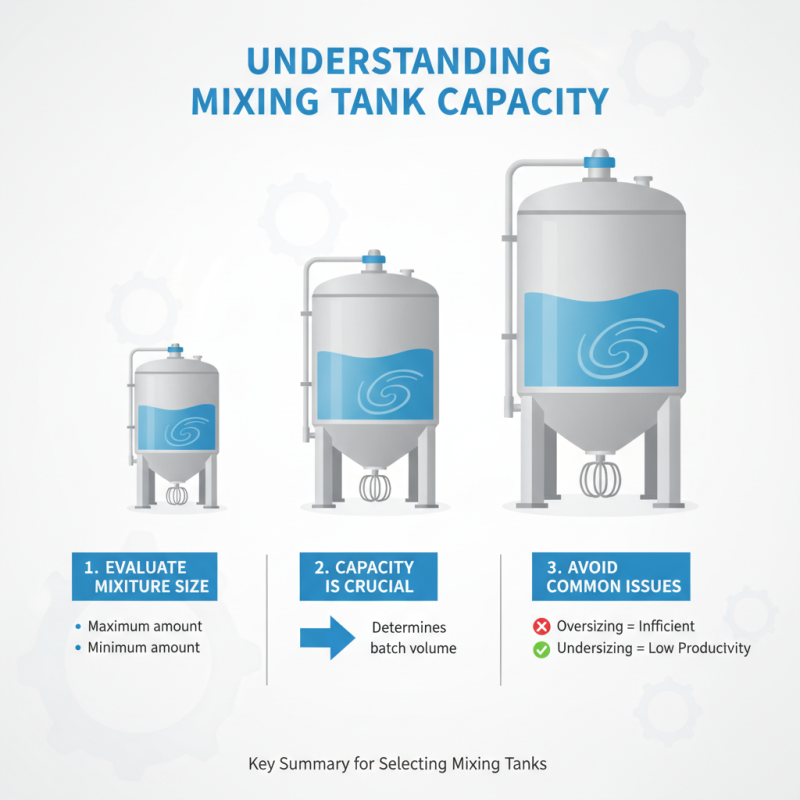
When selecting mixing tanks, understanding capacity is crucial. The capacity determines how much material you can blend in one batch. Evaluate the size of the mixture first. Consider both the maximum and minimum amounts you need to process. Oversizing can lead to inefficient mixing, while undersizing limits productivity.
Factors like viscosity and density impact the required tank size. A thicker solution needs more space for adequate mixing. Meanwhile, a focus on the operational process is essential. How often will you run the tank? Frequent use may justify a larger capacity, while infrequent batches might not.
Examine your current and future needs. Growth in production could require more capacity soon. Regularly reassessing these factors ensures you stay prepared. A tank that’s too small can lead to delays. Conversely, a tank that’s too large requires more maintenance and resources. Balancing efficiency and practicality is vital for long-term success.
Assessing the Compatibility of Mixing Tanks with Your Materials
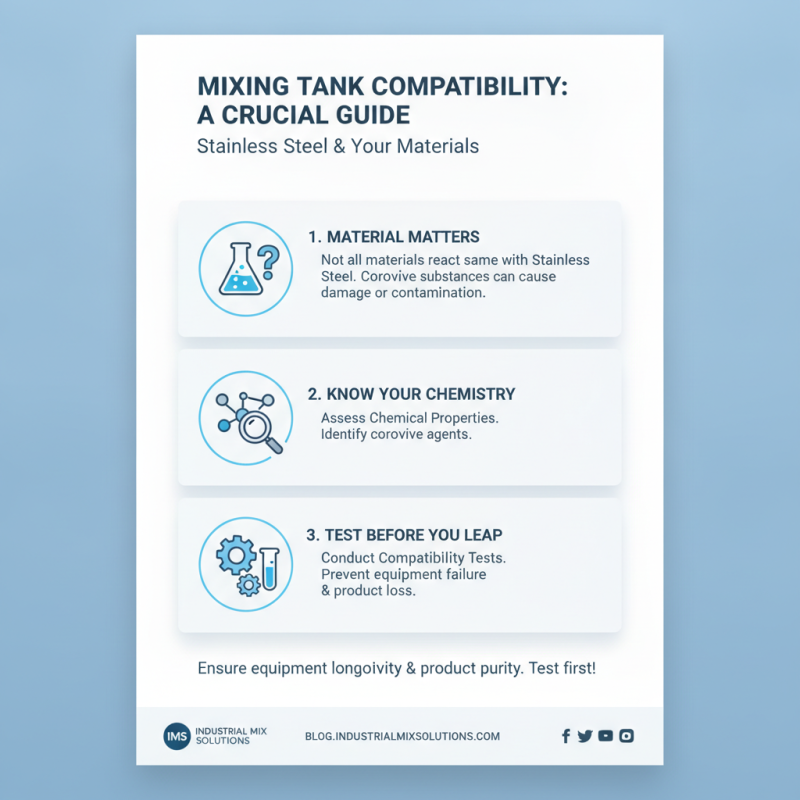
When choosing stainless steel mixing tanks, compatibility with your materials is crucial. Not all materials interact the same way with stainless steel. Some corrosive substances may react negatively, leading to contamination or equipment damage. It's vital to assess the chemical properties of the materials being mixed. Conduct compatibility tests before making a decision.
Consider the tank's surface finish as well. A smooth finish can reduce the likelihood of material sticking or reacting. However, some applications might require a rougher surface for better mixing. Each scenario presents its own challenges. A reflective, polished surface could enhance cleanliness but may not suit every type of material.
Regular assessments of the mixing process can provide insights for future improvements. If unexpected reactions occur, reviewing material choices is essential. Engaging with experienced professionals can help navigate potential issues. Balancing various factors like temperature, pressure, and material characteristics is complex. Thorough evaluation helps find the best mixing solution tailored to your needs.
Maintenance and Longevity Considerations for Stainless Steel Tanks
When considering maintenance for stainless steel mixing tanks, cleanliness is essential. Regular cleaning prevents contamination and prolongs the lifespan of the tank. A simple routine of rinsing with water and a mild detergent can be effective. Pay attention to crevices where residue can accumulate. Use appropriate tools to reach these hard-to-clean areas.
Corrosion can be a considerable concern for stainless steel. Even though stainless steel is resistant, it is not immune. Inspect the tank regularly for signs of pitting or rust. Employ passivation processes to enhance corrosion resistance. Adjusting the location of the tank can also help. Avoiding direct sunlight can diminish heat-related degradation.
Tank longevity also hinges on correct operational practices. Overfilling can lead to spills, while underfilling may cause uneven mixing. Ensure that the mixture inside is compatible with the tank material. Understand the importance of temperature management. High temperatures can warp the material over time, so monitor the temperature closely. A proactive approach in maintenance ensures your stainless steel mixing tank serves its purpose efficiently.