Top 10 Industrial Mixing Machine Types for Global Buyers
Industrial mixing is no longer a simple matter of spinning an impeller inside a tank. Global buyers now compare viscosity range, shear intensity, cleaning time, energy use, material compatibility, and automation capacity. The right machine can protect product quality. The wrong one can create dead zones, overheating, foaming, or costly batch delays.
Recent industry research shows why this market deserves careful evaluation. Grand View Research reports continued growth in the global industrial mixers market, supported by food processing, pharmaceuticals, chemicals, and advanced materials. MarketsandMarkets also identifies process automation, hygienic design, and customized mixing systems as important purchasing trends. These findings suggest a more demanding market, although report boundaries differ. Some figures include laboratory equipment, while others focus only on large process machines. Buyers should check the methodology before trusting a headline number.
Edward L. Paul, a leading authority on industrial mixing and co-author of Handbook of Industrial Mixing, defines the core principle clearly: “Mixing is the process of reducing nonuniformities in a system by creating motion.” That explanation remains practical on a factory floor, where powder bridges, uneven temperature, and inconsistent viscosity are visible problems.
This guide examines the top 10 Mixing Machine Industrial types for global buyers. It compares working principles, suitable materials, production scale, maintenance demands, and typical applications. There is no universal winner. A ribbon blender may handle dry powders efficiently, while a high-shear mixer suits emulsions or dispersions. The difficult part is matching machine behavior with the real process, not choosing the most impressive specification sheet. Some recommendations will remain debatable. That is useful, because mixing decisions deserve verification through trials, data, and experienced engineering judgment.
What Industrial Mixing Machines Are and How They Work
Top 10 Industrial Mixing Machine Types for Global Buyers
What Industrial Mixing Machines Are and How They Work
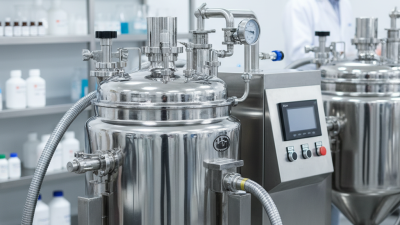
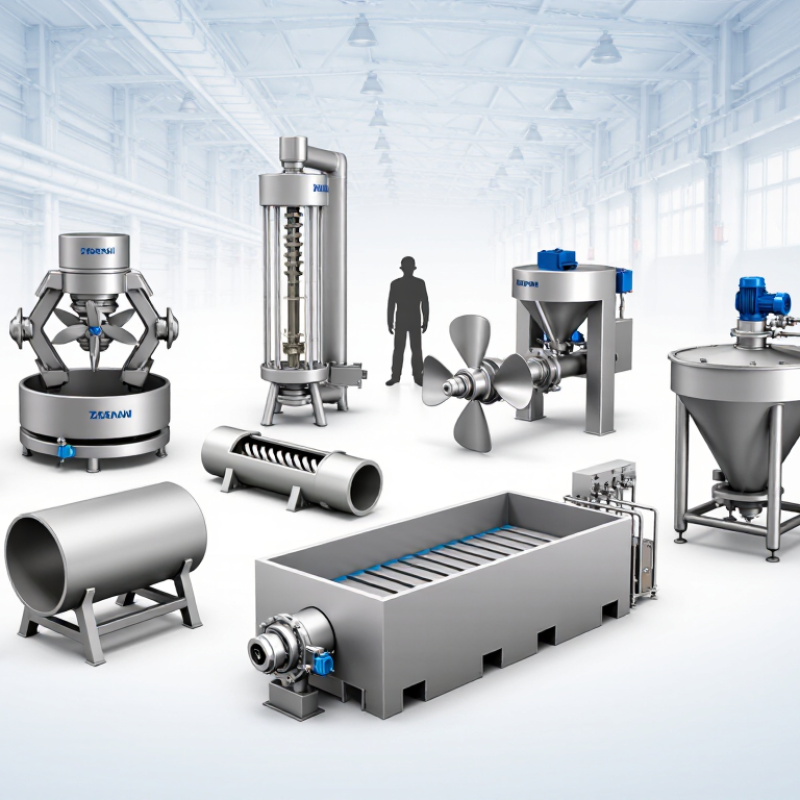
Industrial mixing machines combine powders, liquids, pastes, or solid particles into a consistent product. Their design depends on viscosity, batch size, moisture, and required mixing speed. Common types include ribbon, paddle, planetary, anchor, drum, static, high-shear, rotor-stator, double-cone, and tumble mixers.
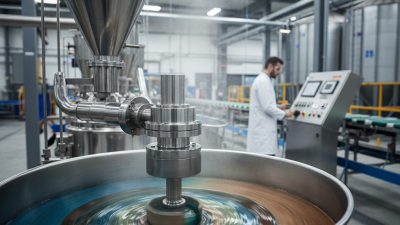
Inside the vessel, blades or rotating elements move materials through controlled patterns. Ribbon mixers push bulk powders forward and backward along the chamber. Paddle mixers lift and fold ingredients gently. High-shear mixers create intense turbulence, breaking lumps and dispersing fine particles. Anchor mixers scrape thick materials from vessel walls, reducing stagnant zones.
Mixing speed matters. Too little energy leaves uneven pockets. Too much energy can heat sensitive materials or damage delicate particles. Operators often monitor torque, temperature, mixing time, and product samples. A practical test may begin with a small batch before full-scale production. Scale-up is not always predictable.
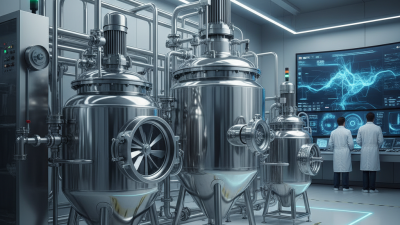
Equipment selection also involves cleanability, sealing, discharge design, and maintenance access. Food, chemical, and pharmaceutical facilities may require polished contact surfaces and controlled cleaning procedures. Safety guards and emergency stops are essential. In real plants, even a well-designed mixer can underperform when loading order or moisture varies. That limitation deserves honest review.
How Industrial Mixers Are Classified by Mixing Principle
Top 10 Industrial Mixing Machine Types for Global Buyers
How Industrial Mixers Are Classified by Mixing Principle
Industrial mixers are classified by how they move material, not by appearance. For liquid blending, propeller and turbine mixers create axial or radial flow. Paddle and anchor mixers move gently through viscous products. Gate mixers suit heavy pastes. For powders, ribbon, paddle, plowshare, and screw mixers depend on convection, diffusion, or controlled shear. Planetary mixers combine orbital movement with strong wall scraping. Rotor-stator mixers deliver intense shear for emulsions and dispersions.
The selection affects energy, heat, cleaning, and batch consistency. The IEA’s Energy Efficiency 2023 report states that industry consumed about 37% of global final energy in 2022. Mixing is only one part of that demand, but poor impeller selection can increase motor load and processing time. A small tank may need a high-speed turbine. A 2,000-liter vessel with thick paste may need a slow anchor instead. Bigger is not automatically better.
Not every classification is clean. A ribbon mixer may handle fragile powders, yet its performance changes sharply with moisture. Rotor-stator systems can reduce particle size quickly, but they may raise temperature. Buyers should compare torque, tip speed, residence time, and cleanability using real product trials. The U.S. Department of Energy’s motor-system guidance also recommends evaluating complete drive systems, rather than motors alone. Data helps. Product behavior still decides.
Key Performance Factors for Comparing Mixer Designs
Top 10 Industrial Mixing Machine Types for Global Buyers
Key Performance Factors for Comparing Mixer Designs
Industrial mixers vary widely, from ribbon and paddle units to planetary, turbine, and high-shear designs. The right comparison begins with material behavior, not machine shape. Record viscosity, particle size, moisture, temperature, and target batch time. A powder may look free-flowing in a drum yet bridge near the outlet. That small detail can change the required torque. Measure motor load during the full cycle.
Shear level is equally important. High shear can disperse agglomerates quickly, but it may damage fragile particles or raise product temperature. Low-shear designs protect structure, though they may leave wet pockets or unmixed corners. Compare mixing uniformity, not only advertised capacity. Sampling from the top is weak evidence. Take samples near the wall, center, and discharge point. Also inspect dead zones after draining. These checks often reveal performance gaps that brochures miss.
For global buyers, cleanability, seal life, electrical compatibility, and spare-part access deserve equal attention. A mixer that runs well but takes hours to clean may reduce real output. Check surface finish, access doors, washdown limits, and maintenance clearances before purchase. Controls should show torque trends, temperature, and batch time clearly. Do not overtrust a laboratory trial. Scale-up can expose heat transfer and discharge problems. Ask for a witnessed test using your actual formulation and loading sequence. I would still challenge any proposal that omits failed-test data.
How Global Buyers Can Select the Right Industrial Mixer
Choosing an industrial mixer starts with the material, not the machine’s headline capacity. Record viscosity, density, solids content, batch size, and temperature across the full process. A thin liquid may suit a propeller mixer, while a thick paste often needs a robust anchor or kneader. Shear matters, too: fragile droplets or fibers can be damaged by an aggressive impeller. Ask suppliers to test a representative sample; real materials rarely behave exactly like a datasheet suggests.
Energy deserves attention. The U.S. Department of Energy’s Improving Motor and Drive System Performance sourcebook estimates that motor-driven systems use about 70% of U.S. industrial electricity. That figure covers many machines, not mixers alone, but it shows why motor sizing and operating hours matter. Compare power draw at your actual working load, not just maximum speed. Check cleanability, seal access, spare-part availability, and whether the vessel fits your production layout. A small mismatch can become a daily headache.
Tips: Share the recipe range, batch volume, and cleaning method when requesting quotes. Ask for test results at the lowest and highest viscosities. Confirm whether the quoted motor, shaft, and impeller suit continuous duty. Keep some margin for future changes, but avoid buying far beyond need. Bigger is not always safer.