What is a Stainless Steel Mixing Tank and Its Benefits?
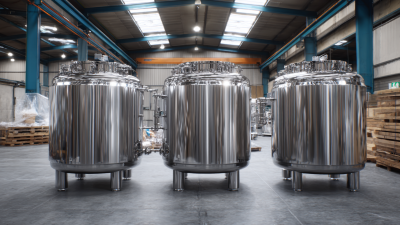
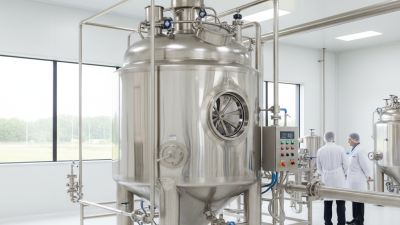
Stainless steel mixing tanks play a crucial role in various industries. These tanks are designed for efficiency and reliability. Mixing Tanks Stainless Steel are known for their durability and resistance to corrosion. This makes them ideal for food processing, pharmaceuticals, and chemical manufacturing.
Using stainless steel enhances the quality of mixed products. Unlike other materials, stainless steel doesn’t react with ingredients. This helps maintain purity and safety. Additionally, these tanks enable easy cleaning, which is essential for sanitation standards. Operators appreciate the ease of maintenance these tanks provide.
However, it’s important to reflect on their cost. While they are an investment, the benefits often outweigh the initial expenditure. Understanding specific needs is vital for optimal use. Choosing the right size and configuration can significantly impact efficiency. Mixing Tanks Stainless Steel are not just equipment; they are integral to successful production processes.
Understanding Stainless Steel Mixing Tanks
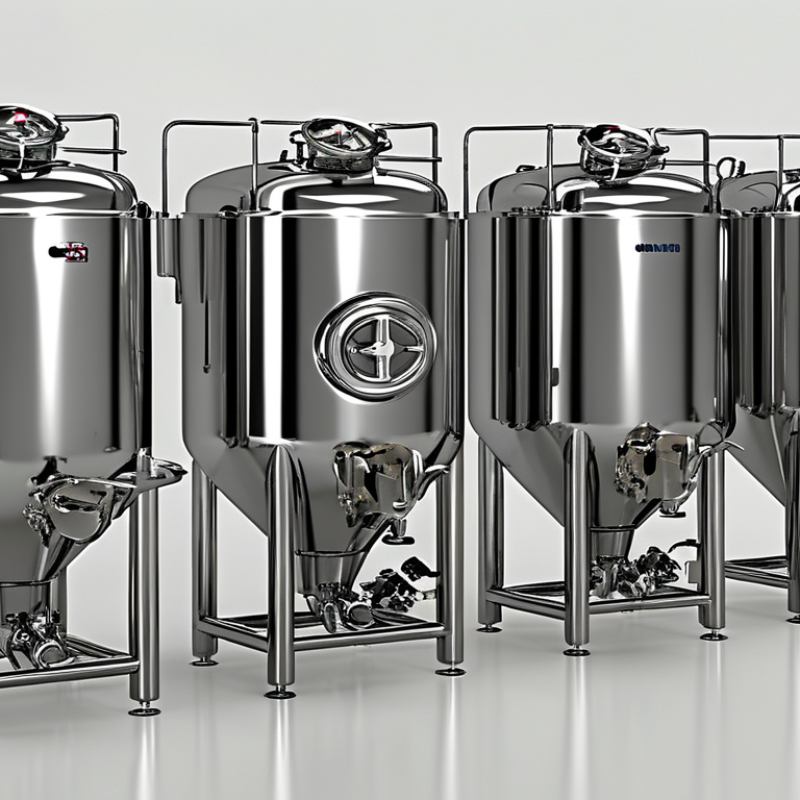
Stainless steel mixing tanks play a vital role in various industries. Their design allows for efficient mixing of liquids and solids. These tanks are made from a material that resists corrosion, ensuring longevity. They are common in food processing, pharmaceuticals, and chemical production.
Using stainless steel tanks provides numerous advantages. The smooth surface is easy to clean, reducing contamination risks. Temperature control is efficient, enhancing product stability. These tanks are customizable, with various sizes and shapes available. However, the initial investment can be high.
Maintaining these tanks requires regular inspection. Over time, minor corrosion can occur if not monitored closely. Understanding how to address these issues is crucial. Knowledge of proper maintenance enhances their lifespan. While stainless steel mixing tanks offer many benefits, users need to be aware of their limitations. Balancing cost and utility is essential for optimal performance.
What is a Stainless Steel Mixing Tank and Its Benefits?
| Dimension |
Value |
| Material |
304 Stainless Steel |
| Capacity |
1000 Liters |
| Height |
150 cm |
| Diameter |
80 cm |
| Weight |
150 kg |
| Heating Jacket |
Yes |
| Cooling System |
Optional |
| Agitation Type |
Mechanical Agitator |
| Benefits |
Durability, Corrosion Resistant, Easy to Clean |
Key Features of Stainless Steel Mixing Tanks
Stainless steel mixing tanks play a crucial role in various industries, including food, pharmaceuticals, and chemicals. They offer durability and resistance to corrosion, making them a reliable choice for storage and mixing processes. Their ability to maintain sterility is particularly important in sensitive environments.
Key features set these tanks apart. One notable feature is their seamless construction. This minimizes any risk of contamination. Additionally, the internal surfaces are often polished to a high finish, aiding in ease of cleaning. Thermal insulation options can be integrated to protect contents from temperature changes, enhancing process control.
Tips for choosing a stainless steel mixing tank include assessing the tank's volume and intended use. Ensure it meets your specific mixing requirements. Regular maintenance is essential to prolong its lifespan. Monitor for any signs of wear or corrosion. An overlooked issue could lead to costly replacements down the line.
Benefits of Using Stainless Steel Mixing Tanks in Industries
Stainless steel mixing tanks are increasingly favored in various industries due to their numerous advantages. According to a recent industry report, approximately 40% of manufacturers have switched to stainless steel due to its durability and resistance to corrosion. Mixing tanks made from stainless steel can withstand high temperatures and pressures, making them ideal for processes in pharmaceuticals and food processing.
One major benefit of stainless steel mixing tanks is their ease of cleaning. This feature is vital in sectors that require stringent hygiene standards. A study indicated that about 70% of food and beverage companies prioritize equipment that minimizes contamination risks. Additionally, stainless steel surfaces can be polished to a smooth finish, reducing food particles attachment and growth of harmful bacteria.
Despite these benefits, challenges remain. The initial cost of stainless steel tanks can be higher than other materials. Maintenance is necessary to prevent oxidation if the surface is scratched. Thus, while stainless steel mixing tanks offer notable advantages, industries must also consider these potential downsides for effective long-term use.
Maintenance and Care for Stainless Steel Mixing Tanks
Maintaining a stainless steel mixing tank is crucial for optimal performance. Regular cleaning prevents residue buildup, which can affect product quality. Use a non-abrasive cleaner and warm water to clean the surfaces thoroughly. Pay special attention to the seals and joints, as these areas can trap contaminants.
To ensure the longevity of your tank, inspect it regularly for signs of wear and tear. Look for scratches or dents that could harbor bacteria. It's essential to keep an eye on the tank's interior; any buildup or corrosion should be dealt with immediately to avoid costly repairs down the line.
Tips for maintenance include keeping a log of cleaning activities and inspections. This helps track any recurring issues. Depending on usage, consider a quarterly deep clean. Also, always use the right tools to avoid damaging the tank. When in doubt, consulting an expert on proper care can provide peace of mind and further enhance the tank's reliability.
Applications of Stainless Steel Mixing Tanks Across Various Sectors
Stainless steel mixing tanks play a crucial role across various industries. These tanks are designed for optimal mixing and blending of materials. In the food and beverage sector, they are commonly used for processing products like sauces and dairy. A study noted that the global food processing industry is projected to reach $4 trillion by 2025. Stainless steel tanks ensure hygiene and longevity, essential in this rapidly growing sector.
In pharmaceuticals, stainless steel mixing tanks are indispensable. They support the formulation of drugs under strictly controlled environments. According to industry reports, the global pharmaceutical manufacturing market is expected to grow by 6.2% annually through 2027. The tanks must comply with stringent regulatory standards. Their design minimizes contamination risks, making them reliable for sensitive applications.
Chemical manufacturing also relies heavily on stainless steel mixing tanks. These tanks manage diverse chemistries while withstanding high pressures and temperatures. A report from a leading industry analyst indicates that the demand for stainless steel in chemical applications is rising steadily. Despite their advantages, some challenges exist. Maintenance and initial costs can be significant. These factors require careful consideration when investing in mixing technology.