What is a Stainless Steel Mixing Tank and Why is it Essential for Your Business
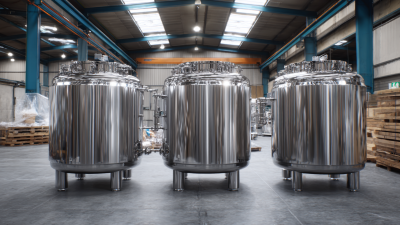
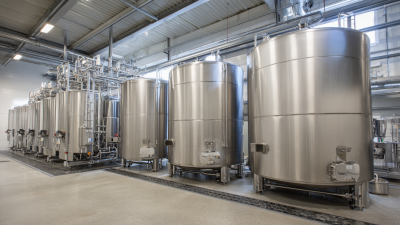
In the modern manufacturing landscape, efficiency and quality are paramount, making the equipment used in production processes more critical than ever. One essential piece of equipment that significantly contributes to these factors is the stainless steel mixing tank. Stainless steel mixing tanks are designed to facilitate the blending of various ingredients and materials with precision, ensuring uniformity and consistency in the final product. Their durable and corrosion-resistant nature makes them an ideal choice for a wide range of industries, from food and beverage to pharmaceuticals and chemicals.
These tanks not only optimize mixing processes but also enhance the overall operational efficiency of a business. By utilizing stainless steel mixing tanks, companies can achieve better product quality and reduce waste, ultimately leading to higher profitability. Furthermore, their versatility allows businesses to scale operations easily, accommodating different batch sizes and formulations without compromising performance. In this light, stainless steel mixing tanks are not just a piece of equipment; they are an essential investment for any business that prioritizes quality and efficiency in production.
What is a Stainless Steel Mixing Tank?
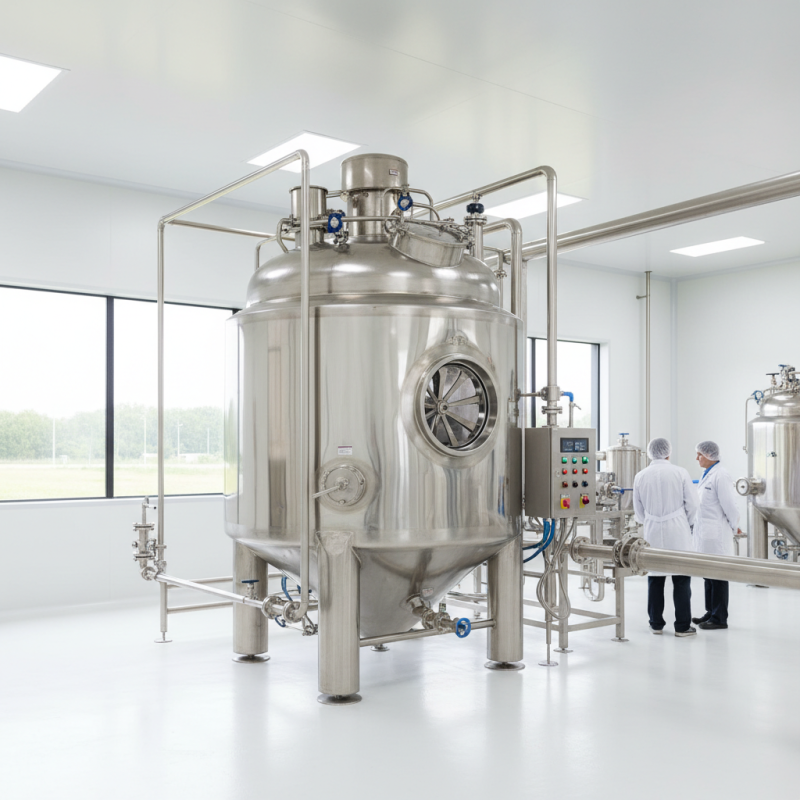
A stainless steel mixing tank is a crucial piece of equipment widely used in various industries, including food processing, pharmaceuticals, and chemicals. Made from high-quality stainless steel, these tanks are designed to withstand the rigors of mixing different substances while maintaining purity and preventing contamination. The properties of stainless steel, such as its resistance to corrosion, high durability, and ease of cleaning, make it an ideal choice for mixing tanks. According to industry reports, the global stainless steel mixing tank market is projected to grow at a compound annual growth rate (CAGR) of approximately 5% from 2023 to 2028, indicating increased demand across multiple sectors.
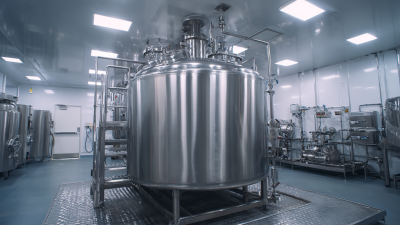
These tanks can vary in size and configuration depending on the specific needs of a business. For instance, a typical mixing tank features features like agitation mechanisms and temperature controls to ensure efficient mixing and processing of materials. The versatility of stainless steel mixing tanks allows them to be used for various applications, such as blending liquids, dissolving solids, and preparing emulsions. Industry statistics reveal that a significant proportion of manufacturers prefer stainless steel tanks over alternatives due to their long-term cost-effectiveness and hygienic properties, which are critical in maintaining product quality and compliance with safety standards.
Key Features of Stainless Steel Mixing Tanks
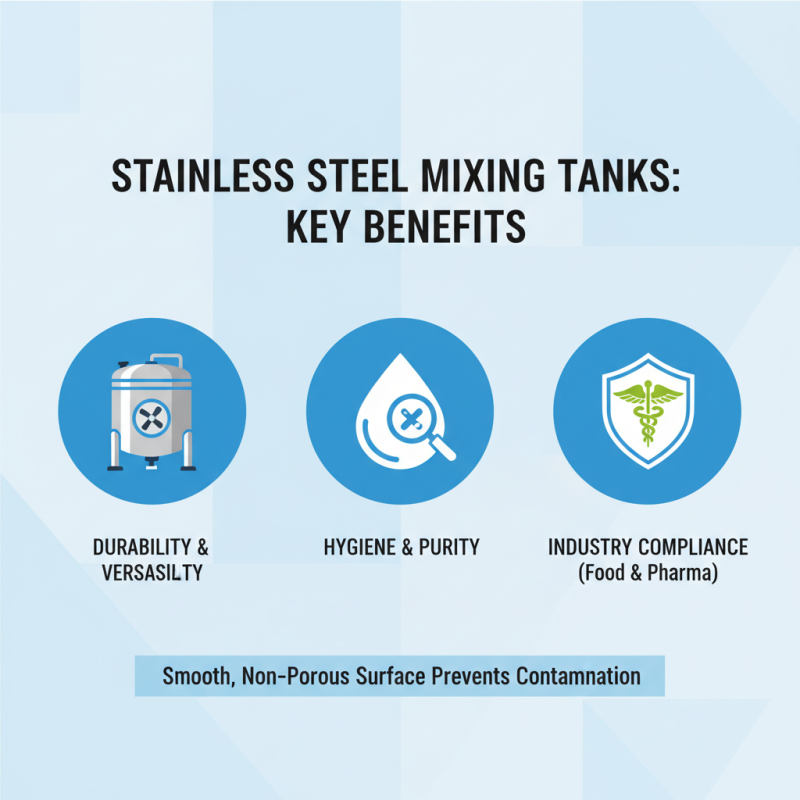
Stainless steel mixing tanks are integral to various industries due to their durability and versatility. One of the key features of these tanks is their ability to maintain hygiene. The smooth, non-porous surface of stainless steel prevents the accumulation of bacteria and ensures that products remain uncontaminated during the mixing process. This is particularly crucial in sectors such as food production and pharmaceuticals, where compliance with health standards is paramount.
Another significant advantage of stainless steel mixing tanks is their excellent thermal conductivity. This allows for efficient temperature control during mixing, ensuring that processes requiring precise temperature regulation can be executed effectively. Additionally, the robust construction of these tanks makes them suitable for a wide range of substances, from liquids to thick pastes, providing flexibility for various business needs. The ability to handle high-pressure operations also adds to their appeal, as businesses can optimize their production processes without compromising safety or performance.
Benefits of Using Stainless Steel Mixing Tanks in Industry
Stainless steel mixing tanks are crucial assets in various industries, particularly for those involved in food processing, pharmaceuticals, and chemicals. One of the primary benefits of using these tanks is their exceptional durability and resistance to rust and corrosion. Unlike other materials, stainless steel can withstand harsh conditions, including exposure to chemicals and extreme temperatures, which ensures that the integrity of the mixed products is maintained over time. This durability reduces the need for frequent replacements and repairs, ultimately lowering operational costs for businesses.
Another significant advantage of stainless steel mixing tanks is their ability to maintain sanitary conditions. The smooth surface of stainless steel minimizes the risk of bacterial growth and contamination, making it an ideal choice for industries where hygiene is paramount. Furthermore, these tanks are easy to clean and sanitize, facilitating compliance with health regulations and quality standards. By investing in stainless steel mixing tanks, businesses can enhance productivity while ensuring that their products meet the highest safety and quality benchmarks.
What is a Stainless Steel Mixing Tank and Why is it Essential for Your Business - Benefits of Using Stainless Steel Mixing Tanks in Industry
| Feature |
Description |
Benefits |
| Material Composition |
Made from high-grade stainless steel |
Durability and corrosion resistance |
| Design Flexibility |
Customizable sizes and configurations |
Meets specific needs for various industries |
| Mixing Efficiency |
Designed for optimal mixing performance |
Ensures uniformity and quality of products |
| Maintenance |
Easy to clean and maintain |
Reduces downtime and maintenance costs |
| Safety |
Non-reactive material |
Prevents contamination of products |
| Aesthetic Appeal |
Sleek and modern finish |
Enhances overall appearance of production area |
Applications of Stainless Steel Mixing Tanks in Various Sectors
Stainless steel mixing tanks are vital across various industries due to their durability, resistance to corrosion, and ability to maintain high hygiene standards. In the food and beverage sector, these tanks are essential for mixing ingredients such as sauces, dressings, and dairy products, ensuring consistent quality and flavor. Similarly, in the pharmaceutical industry, stainless steel mixing tanks are employed to create homogeneous mixtures of active ingredients and excipients, crucial for the production of reliable medicines.
In chemical manufacturing, these tanks help facilitate processes where reactive ingredients are combined, allowing for controlled reactions under specific temperatures and pressures. Additionally, in the cosmetics industry, stainless steel mixing tanks are utilized for blending creams, lotions, and other products to maintain product integrity and enhance shelf life.
Tip: Always ensure that your mixing tank is properly cleaned and sanitized to prevent cross-contamination, especially in industries like food and pharmaceuticals. Regular maintenance can prolong the life of your tank and optimize performance.
Another consideration is the proper scaling of your tank. Size matters when it comes to production efficiency—evaluate the volume needed for your production needs and consider future growth to avoid common bottlenecks in your manufacturing process.
Factors to Consider When Choosing a Stainless Steel Mixing Tank
When choosing a stainless steel mixing tank, several critical factors should be taken into consideration to ensure the equipment meets the needs of your business. First and foremost, the tank's capacity must align with your production requirements. A tank that is too small could lead to bottlenecks in your operation, while an excessively large tank can result in inefficiencies and unnecessary costs. Assessing your current and projected production volumes is vital for determining the right size.
Material quality and construction are also paramount. Stainless steel is preferred for its corrosion resistance and durability, but variations in grade can impact performance. It's essential to select a grade that is suitable for the specific materials you intend to mix, as some formulations may require higher resistance to oxidation or chemicals. Additionally, the design features of the tank, such as agitation methods, heating capabilities, and ease of cleaning, will influence the effectiveness and productivity of your mixing processes.
Being mindful of these factors will ultimately enhance the operational efficiency of your business and ensure consistent product quality.