Top 10 Agitator Mixer Tanks for Efficient Mixing Solutions
In the ever-evolving landscape of industrial mixing, Agitator Mixer Tanks play a pivotal role in enhancing operational efficiency and product quality. According to the latest market report by ResearchAndMarkets, the global mixer tank market is projected to reach $3.2 billion by 2027, driven by the increasing demand for effective mixing solutions across various industries, including pharmaceuticals, food and beverage, and chemicals. These statistics underscore the vital importance of choosing the right mixing technology for maximizing production outcomes.
As noted by Dr. Emily Carter, a renowned expert in fluid mixing technologies, “The selection of an appropriate Agitator Mixer Tank can significantly impact the overall process efficiency.” Her insights highlight the critical need for industries to invest in innovative mixing solutions that not only ensure optimal blending but also conserve energy and reduce operational costs. In this article, we will explore the top ten Agitator Mixer Tanks available in the market, offering insights into their features, applications, and benefits to help you make informed decisions for your mixing needs.
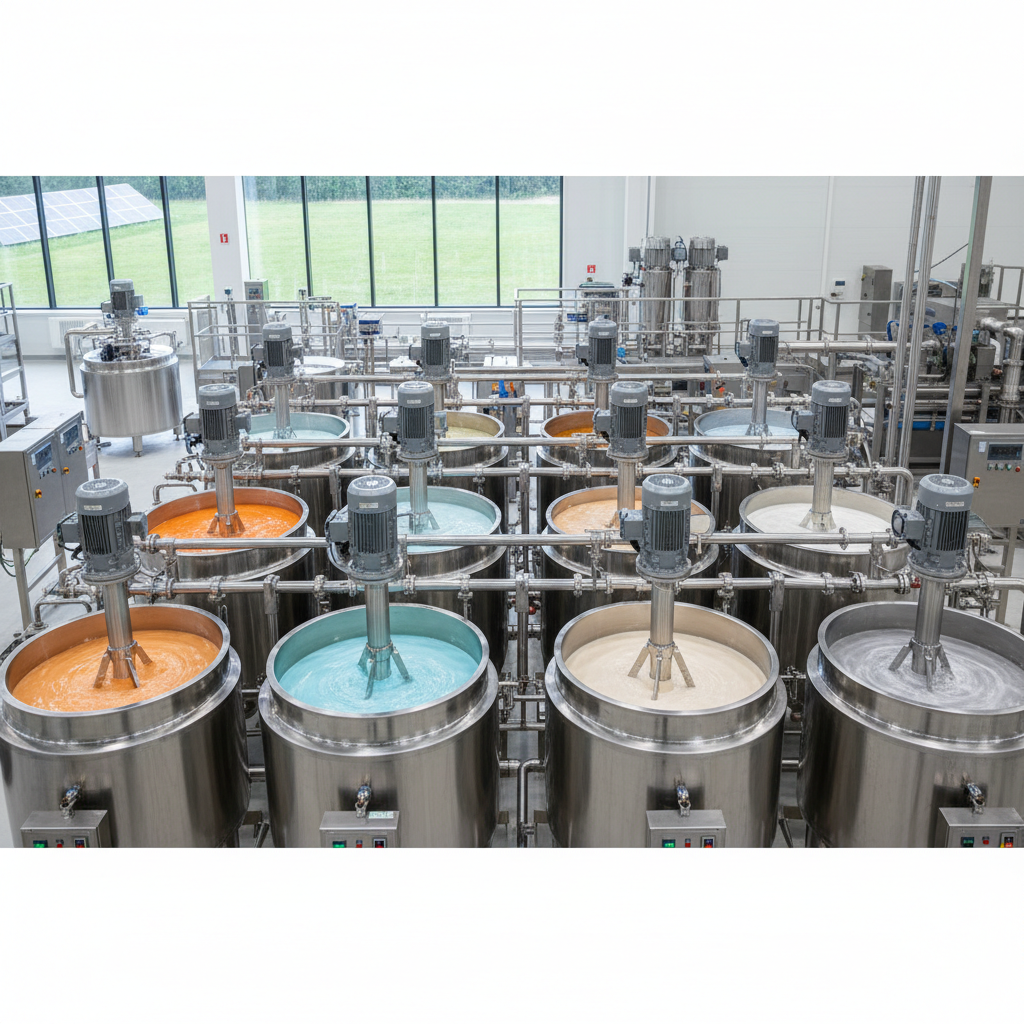
Innovative Features of Agitator Mixer Tanks for Optimal Performance
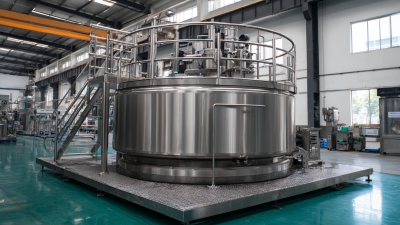
Agitator mixer tanks play a crucial role in various industries, from food production to pharmaceuticals, ensuring efficient mixing and blending of materials. One of the most innovative features that modern agitator mixer tanks offer is the integration of
advanced technologies, such as smart monitoring systems. According to a recent report by MarketsandMarkets, the global market for industrial mixers, including agitator tanks, is projected to grow from
$2.6 billion in 2021 to $3.5 billion by 2026, highlighting the increasing demand for high-performance mixing solutions. These smart systems enable real-time monitoring of parameters such as viscosity and temperature, optimizing the mixing process and enhancing product quality.
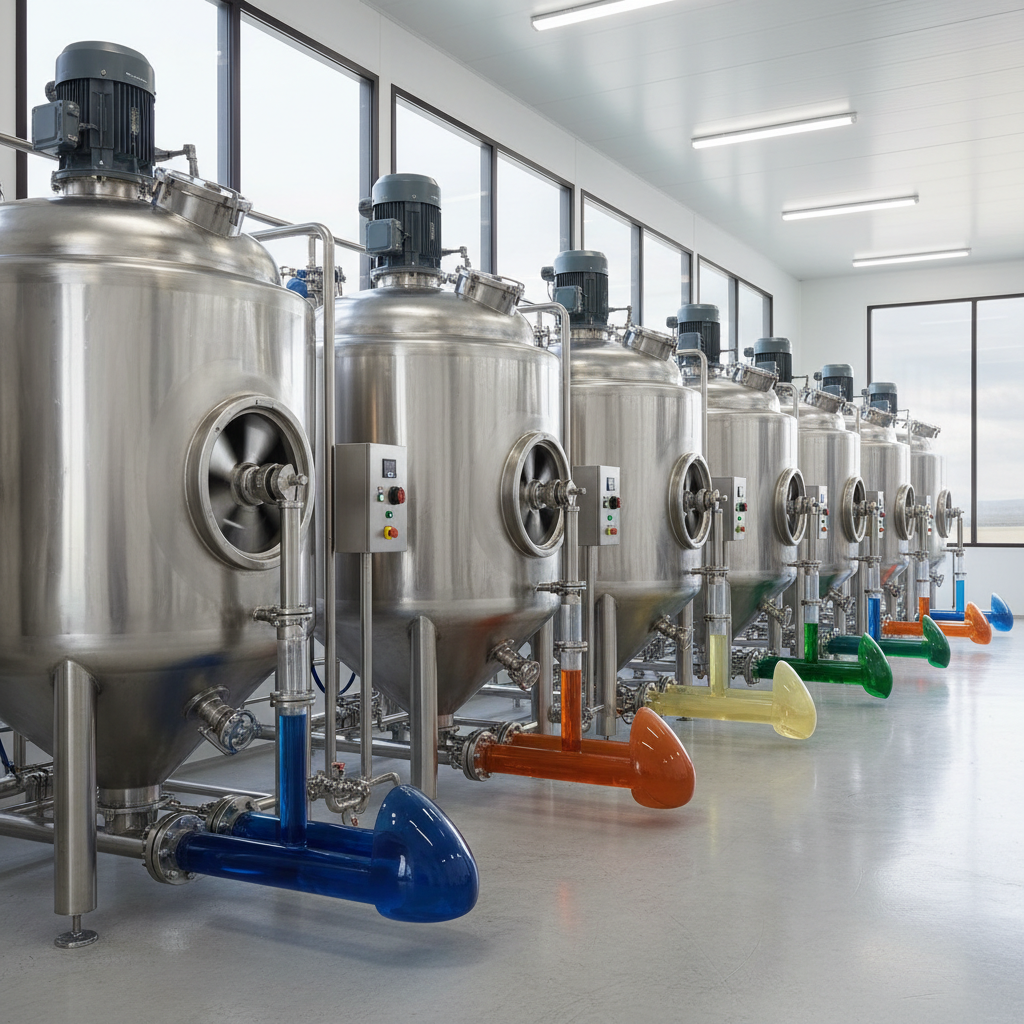
Another significant innovation is the use of high-efficiency agitators, which improve mixing effectiveness while minimizing energy consumption. A study by Research and Markets indicates that
energy-efficient mixers can reduce operational costs by up to 30% while increasing productivity. Additionally, advancements in materials and designs have led to the development of
corrosion-resistant and easier-to-clean tanks, which are essential for maintaining product integrity in sensitive applications. Collectively, these features not only enhance the performance of agitator mixer tanks but also contribute to
sustainability goals within the industry, making them an attractive choice for manufacturers seeking efficient mixing solutions.
Key Factors to Consider When Selecting an Agitator Mixer Tank
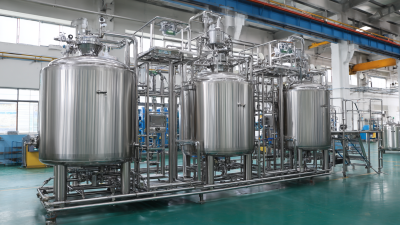
When selecting an agitator mixer tank, several key factors must be considered to ensure optimal mixing efficiency. First and foremost, the tank's capacity should match the production requirements of your operation. A tank that is too small may not hold sufficient volume for efficient mixing, while an excessively large tank can lead to wasted energy and space. Understanding your specific needs will guide you in choosing the correct size.
The type of agitation required is also crucial. Different processes may demand different agitation styles, ranging from high-shear mixing for emulsions to gentle stirring for suspension. Additionally, the material of construction should be compatible with the substances being mixed to prevent contamination and ensure durability. Lastly, the design of the agitator itself—whether it be a paddle, turbine, or another style—must be tailored to your mixing application to achieve the desired results. Evaluating these factors will help you select the most efficient agitator mixer tank for your processes.
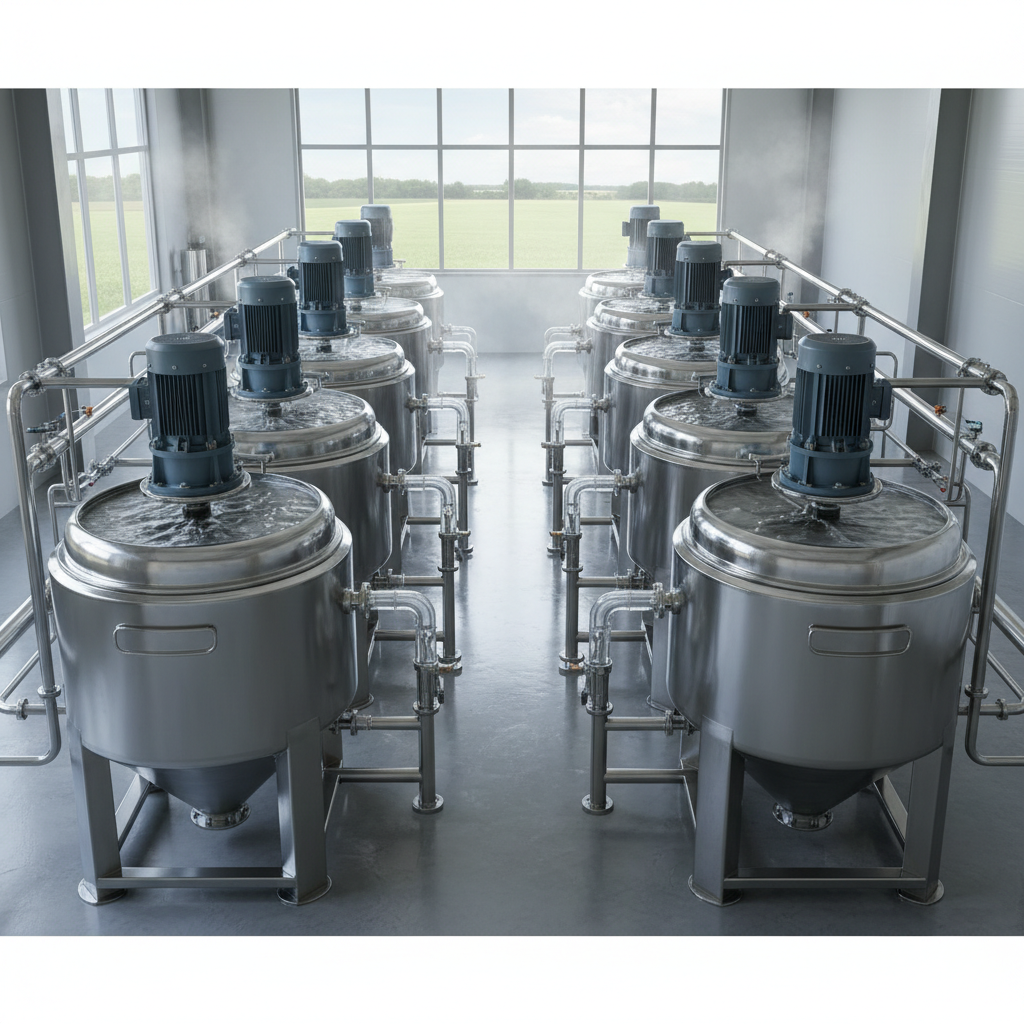
Comparative Analysis of Top Brands in Agitator Mixer Technology
When evaluating the leading agitator mixer tanks on the market, a comparative analysis of top brands reveals significant insights into the efficiency and innovation within agitator mixer technology. According to a recent industry report from MarketResearchFuture, the global agitator mixer market is projected to grow at a CAGR of 5% from 2021 to 2026, highlighting an increasing demand for effective mixing solutions across various industries, including chemical, pharmaceuticals, and food processing.
Leading brands like Alfa Laval, SPX FLOW, and KSB have been identified as frontrunners in this space due to their cutting-edge technologies and diverse product offerings.
Alfa Laval's innovative tank designs use advanced impeller systems that improve mixing time and energy efficiency by up to 30%, as reported in a study by TechSci Research. Meanwhile, SPX FLOW has integrated IoT capabilities into their agitator mixers, enabling remote monitoring and control, which is crucial for optimizing operational efficiency and ensuring consistent product quality in real-time. These technological advancements position these brands ahead of the competition, making them ideal choices for businesses seeking effective mixing solutions.
Applications of Agitator Mixer Tanks Across Different Industries
Agitator mixer tanks have become indispensable in various industries due to their ability to provide efficient mixing solutions. In the food and beverage sector, these tanks are used to blend ingredients consistently, ensuring uniformity in flavor and texture. Applications include mixing sauces, dairy products, and beverages, where precise mixing is crucial for quality and safety. Pharmaceutical companies utilize agitator mixer tanks for creating emulsions and suspensions, enabling the production of medications with high efficacy and stability.
In the chemical industry, these tanks are vital for facilitating reactions and achieving optimal mixing of compounds, which leads to improved product performance. Tips for selecting the right agitator mixer tank include understanding the viscosity of the materials being mixed and choosing an appropriate agitator design. Additionally, industries should consider the tank's material compatibility with various chemicals to prevent corrosion and ensure durability.
When it comes to wastewater treatment, agitator mixer tanks help in effectively mixing sludges and chemicals, promoting efficient treatment processes. For improved energy efficiency, selecting mixers designed with innovations that minimize turbulence can enhance the overall mixing performance while reducing operational costs.
Top 10 Agitator Mixer Tanks for Efficient Mixing Solutions
This bar chart illustrates the application count of agitator mixer tanks across different industries. The food and chemical industries show the highest usage, highlighting the versatility and importance of effective mixing solutions in various sectors.
Maintenance Tips for Prolonging the Life of Agitator Mixer Tanks
To ensure the longevity of agitator mixer tanks, regular maintenance is essential. One of the most effective strategies is to establish a routine inspection schedule. During these inspections, operators should check for any signs of wear and tear, such as corrosion or loose connections, which can compromise the function of the mixer. Additionally, ensuring that all seals and gaskets are intact prevents leakage, which can lead to both material loss and dangerous conditions.
Another critical aspect of maintenance involves the proper cleaning of the mixer tank after each use. Residual materials can harden and affect both the mixing efficiency and the integrity of the tank over time. Utilizing appropriate cleaning solutions that are compatible with the materials being mixed helps protect the equipment. Furthermore, lubricating moving parts regularly can minimize friction and wear, contributing to overall operational efficiency and increasing the lifespan of the agitator mixer tank.
Top 10 Agitator Mixer Tanks for Efficient Mixing Solutions
| Rank |
Tank Size (liters) |
Mixing Capacity (RPM) |
Material Type |
Application |
| 1 |
500 |
200 |
Stainless Steel |
Food Processing |
| 2 |
1000 |
150 |
Polypropylene |
Chemical Mixing |
| 3 |
750 |
180 |
Carbon Steel |
Wastewater Treatment |
| 4 |
200 |
250 |
Glass-Fused Steel |
Beverage Production |
| 5 |
1200 |
120 |
Stainless Steel |
Pharmaceuticals |
| 6 |
300 |
220 |
Polyethylene |
Paints & Coatings |
| 7 |
1500 |
100 |
Stainless Steel |
Biofuels |
| 8 |
900 |
160 |
Fiberglass |
Agriculture |
| 9 |
400 |
190 |
Carbon Steel |
Mining |
| 10 |
2000 |
80 |
Stainless Steel |
Cosmetics |