2026 Best Bag on Valve Filling Machine for Global Buyers?
Choosing the 2026 best bag on valve filling machine requires more than comparing speed, price, or stainless-steel appearance. Global buyers need dependable dosing, clean product handling, and stable valve placement. A machine may fill 60 containers per minute in a brochure. Real production can be different.
Robert H. Abplanalp, the aerosol valve pioneer, is widely credited with this practical principle: “The valve is the heart of the aerosol package.” That idea remains important for modern bag-on-valve systems. A filling machine must protect valve alignment, control product volume, and maintain consistent pressure during each cycle. Small errors can cause leaking bags, uneven discharge, or rejected cartons. Operators notice these problems quickly.
The best machine for 2026 should match the product, container size, and factory environment. Buyers should examine filling accuracy, changeover time, air consumption, PLC controls, cleaning access, and after-sales support. Stainless steel 304 may suit many applications, while 316L can offer stronger corrosion resistance for demanding formulations. Ask for test records. Request sample runs.
Do not trust impressive numbers alone.
A reliable supplier should explain how the machine performs with your actual bag, valve, and formulation. This is where many purchasing plans become too optimistic. A lower-cost unit might look attractive, yet spare-part delays can stop production for days. Experienced buyers also check operator training, installation support, warranty terms, and documentation for international shipment.
This guide compares the major factors behind the 2026 best bag on valve filling machine, helping global buyers choose practical performance over polished promises. Some assumptions may need revision. That is normal. Good equipment decisions begin with measurable evidence.
What Is a Bag-on-Valve Filling Machine?
What Is a Bag-on-Valve Filling Machine?
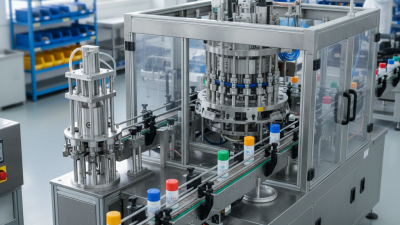
A bag-on-valve filling machine places a flexible bag inside a pressurized container. The bag holds the product, while compressed air or nitrogen surrounds it. When the valve opens, pressure squeezes the bag and dispenses the contents. The product does not directly contact the propellant. This design supports cleaner separation and controlled discharge for personal-care, medical, food, and household applications.
A typical machine performs container loading, bag positioning, valve crimping, product filling, and pressure charging. Some systems fill the product before propellant charging. Others use pressure filling through the valve. Operators must control fill weight, crimp diameter, leak rate, and residual oxygen. Small errors matter. A loose crimp can create slow leakage, while excessive pressure may damage the bag.
The 2024 Aerosol Dispensers Market analysis by Grand View Research identifies sustainability and convenient dispensing as important market drivers. The European Aerosol Federation has also reported annual European aerosol production above five billion units in recent years. These figures show why repeatable filling equipment matters for global buyers. On a production floor, however, automation alone is not enough. Material compatibility, clean-room requirements, local pressure rules, and operator training still influence performance. In my view, the overlooked weakness is validation. A machine may run smoothly during a short trial, yet fail after temperature cycling or extended storage. Buyers should request documented tests, calibrated inspection tools, and traceable production records before approval.
How Does Bag-on-Valve Filling Technology Work?
A bag-on-valve filling machine separates the product from the propellant. The formula stays inside a flexible bag, while pressure fills the space between the bag and the container wall. When the actuator is pressed, external pressure squeezes the bag and pushes the product through the valve. The product does not directly contact the propellant.
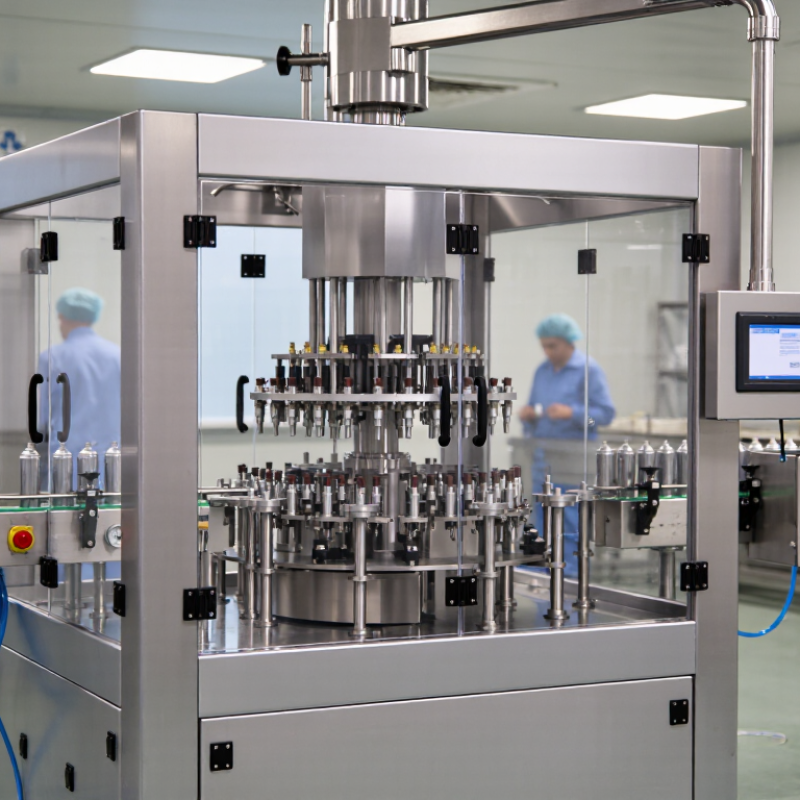
Modern machines usually place the bag and valve into the container, crimp the valve, and dose the product with controlled accuracy. A separate station adds the propellant and checks pressure, leakage, and valve performance. Filling speed depends on viscosity, bag size, valve design, and container material. Liquid products may need gentle handling, while thicker creams require wider passages and stronger pumps. Small errors matter.
Tips:
Check product compatibility with the bag film, valve seals, and container coating. Test fill weight, crimp depth, leakage, and spray consistency during production. Keep the filling area clean and record every adjustment. A machine that looks efficient may still waste product through unstable dosing. This deserves honest testing. Temperature changes can also affect pressure and viscosity, so factory trials should reflect real shipping conditions. A reliable 2026 machine is not simply the fastest option. It should deliver repeatable filling, easy cleaning, safe pressure control, and practical maintenance access for global buyers.
Key Features of the Best 2026 Filling Machines
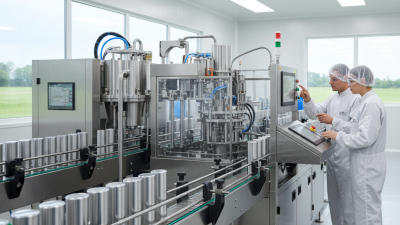
Choosing the best bag on valve filling machine in 2026 requires more than checking production speed. Accuracy matters at every filling station. A reliable machine should control product volume, propellant pressure, and sealing temperature with stable feedback. Servo-driven dosing systems can reduce variation between containers. Load cells and pressure sensors provide useful process data. Clear alarms help operators find problems before waste increases.
Material compatibility is equally important. Stainless steel contact parts should resist corrosion and support hygienic cleaning. The filling path should have few dead corners. Quick-change fittings can shorten product changeovers. This saves time during mixed production. A practical control system should record batch settings, filling results, and maintenance events. Remote access may help, but secure local controls remain necessary when networks fail.
Safety features deserve close inspection. Guard doors, emergency stops, pressure relief devices, and automatic fault shutdowns should be tested regularly. Buyers should request factory acceptance records and sample-filled containers. Ask for performance data under real operating conditions, not only laboratory figures. Energy use, compressed-air demand, and spare-part availability also affect long-term cost. Some machines promise impressive speed but require highly skilled operators. That trade-off is easy to overlook. In my experience, simple maintenance access often proves more valuable than an extra filling cycle per minute. No machine is perfect. A careful trial may reveal small leaks, awkward cleaning points, or software limits before installation.
How to Evaluate Suppliers and Machine Performance
2026 Best Bag on Valve Filling Machine for Global Buyers?
How to Evaluate Suppliers and Machine Performance
Choosing a bag on valve filling machine requires more than comparing prices. The supplier should explain filling accuracy, product compatibility, and expected output clearly. Ask for test results using your actual formulation, container, and valve type. Watch the complete cycle. The bag should fill smoothly, seal correctly, and remain stable during pressure testing. Small leaks can become expensive problems later.
Evaluate the machine through measurable evidence. Check fill-weight variation, air consumption, changeover time, and rejection rates. Request factory acceptance testing with recorded data. Confirm whether contact parts use suitable, traceable materials. Review electrical documents, operating manuals, spare-parts lists, and maintenance schedules. A reliable supplier also provides training and responsive technical support. However, impressive brochures do not prove long-term performance. Production conditions may expose weaknesses that a short demonstration misses.
Tips:
Visit the supplier when possible. Bring sample materials and your quality checklist. Ask operators to perform cleaning and format changes. Observe noise, access, and safety controls. Compare promised output with a realistic operating speed, not the highest setting. Also, request references from similar applications, while remembering that every factory has different conditions. A perfect machine rarely exists. Leave room for testing, adjustments, and honest review.
Which Bag-on-Valve Machine Fits Global Production Needs?
Choosing the best bag-on-valve filling machine for global production starts with the product, not the advertised speed. A suitable system should handle the required container sizes, valve types, filling volumes, and propellant options. Check whether its dosing system maintains accuracy during long production runs. Small variations can create leaks, inconsistent spray patterns, or rejected batches. Speed is not everything.
Global buyers should examine changeover time, cleaning access, and operator controls. A machine that switches between formats in 20 minutes may reduce labor and production delays. Stainless steel contact parts, enclosed filling areas, and clear sanitation procedures support reliable operation. Ask for test records, factory acceptance procedures, and performance data from products similar to yours. Claims without measured conditions deserve caution.
In my experience, the best machine is rarely the fastest model. It is the one that remains stable after repeated shifts, temperature changes, and routine maintenance. Confirm electrical standards, documentation, training, spare-part availability, and remote technical support before purchase. Local service capacity matters when a production line stops unexpectedly. Do not skip sample trials. A machine may perform well with one formulation but struggle with another viscosity or valve design. This is where selection becomes less certain, and a careful buyer should allow room for adjustment.
2026 Best Bag-on-Valve Filling Machine for Global Buyers?
Typical planning benchmarks for BOV filling equipment show how machine capacity scales with production requirements. Actual output depends on product viscosity, can size, propellant system, filling accuracy, and changeover time.
Interpretation: Compact systems are suitable for small or regional production, while standard and high-output configurations better fit global supply programs requiring higher throughput and reduced downtime.