How to Choose the Best Liquid Filling Machines for Your Business?
Choosing the best Liquid Filling Machines is crucial for business success. The right machine can enhance efficiency and product quality. According to a recent report by Grand View Research, the liquid filling machine market is expected to grow at a CAGR of 6.5% from 2022 to 2030. This growth indicates a rising demand for reliable filling solutions across various industries.
Industry expert Dr. Emily Turner, a specialist in packaging technology, emphasizes, "Selecting the right liquid filling machine is a game changer for production lines." Each business has unique needs. Factors like production speed, filling accuracy, and ease of use play a vital role. Companies must analyze their specific demands carefully.
While many options exist, not every machine delivers the promised performance. It's essential to compare features and prices. Investing in high-quality Liquid Filling Machines can reduce long-term costs and improve customer satisfaction. A thoughtful approach can prevent costly mistakes and ensure operational success.
Understanding Different Types of Liquid Filling Machines Available
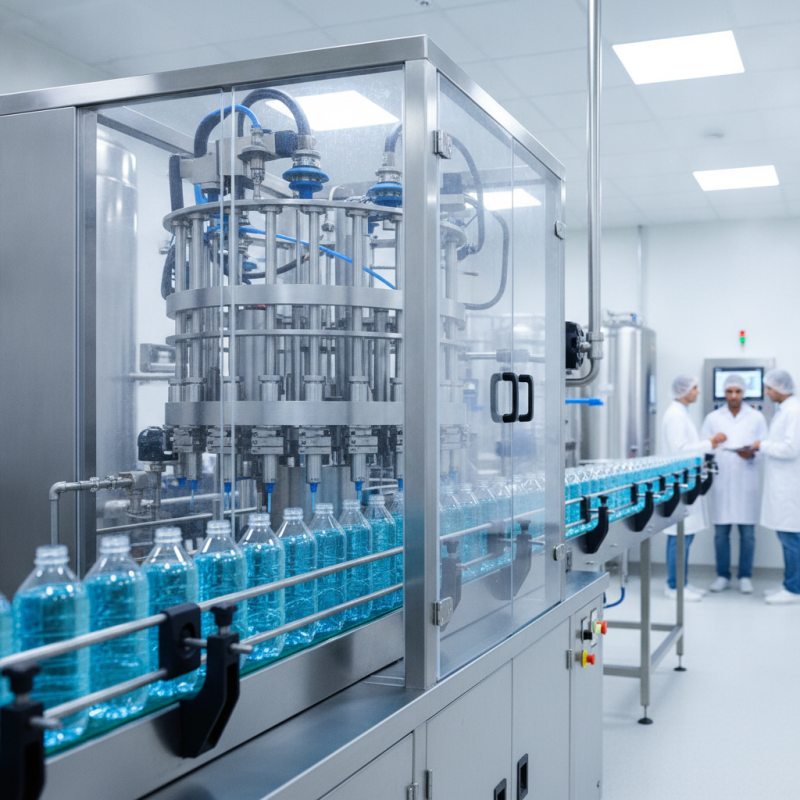
When selecting liquid filling machines, understanding the different types available is crucial. These machines vary significantly in design and functionality, catering to various industries. The most common types include gravity fillers, pressure fillers, and vacuum fillers. Each type serves a unique purpose, depending on the liquid’s viscosity and packaging requirements.
Gravity fillers are ideal for thin liquids. They operate based on gravity, allowing the liquid to flow freely into containers. Reports indicate that over 30% of beverage manufacturers opt for this type due to its efficiency and simplicity. On the other hand, pressure fillers are suitable for thicker liquids. These machines utilize air pressure to dispense the liquid, which is beneficial for products like sauces and creams. Notably, this technology can enhance speed, reducing cycle times by 25% in high-volume settings.
Vacuum fillers are advantageous for highly viscous liquids. They create a vacuum to draw liquid into the container, minimizing waste and spillage. Industry studies show that the use of vacuum technology can decrease residual liquid in containers by as much as 15%. Yet, despite these benefits, choosing the right type can be challenging. Some businesses may need to reassess their liquid characteristics to avoid inefficiencies. Each machine’s operational costs and maintenance requirements also deserve careful consideration before making a final decision.
Assessing Production Needs and Capacity for Your Business
When selecting a liquid filling machine, it's crucial to evaluate your production needs and capacity. Start by analyzing your current output. How many bottles do you fill daily? Understanding your volume helps in choosing the right machine. If you produce thousands of units, semi-automatic machines may fall short. An automatic machine might be necessary.
Consider the type of liquid you’re filling. Viscosity plays a key role in your choice. Thick liquids require different filling mechanisms compared to thin liquids. Assessing these details can make a significant difference. Reflect on past challenges too. Have you faced bottlenecks or inconsistencies? Acknowledging these issues guides your decision-making.
Think about future growth. Your chosen machine should accommodate an increase in production. If you expand your product range, versatility is vital. Will the machine adapt to various liquids and container sizes? It's wise to invest in a solution that grows with your business. Balancing immediate needs and long-term goals is a tricky but necessary part of the process.
Evaluating Key Features and Specifications of Filling Machines
When selecting a liquid filling machine, key features matter significantly.
Begin by assessing the type of liquids your business fills. Viscosity varies widely; certain machines cater specifically to thick, viscous substances while others handle thinner liquids with ease.
Consider the fill accuracy too. A reliable machine should offer consistent volume delivery with minimal variance.
This precision can affect not only your product quality but also customer satisfaction.
Speed is another critical aspect. Evaluate how many bottles can be filled per minute.
This is vital for meeting production demands. However, there’s a trade-off between speed and accuracy.
A faster machine may compromise on precision, an area that needs careful thought.
The machine’s size and layout should fit your production space, ensuring ease of use.
It may be tempting to opt for inexpensive models, but the long-term cost of maintenance and downtime can be substantial.
Finally, user interface matters when operating filling machines. An intuitive design helps reduce training time and errors.
Consider machines with clear displays and straightforward controls. Each feature contributes to overall efficiency.
Balancing these specifications with your unique needs is crucial.
Reflect on past challenges, and keep in mind that not every machine will suit your evolving requirements.
Comparing Costs and Budget Considerations for Purchase
When considering the purchase of liquid filling machines, budget is a pivotal factor. Industry reports indicate that prices can range from $5,000 to over $100,000, depending on the machine's technology and scale. Entry-level machines often suffice for small operations, but expanding businesses may require more advanced solutions. Investing in high-quality machines can enhance efficiency, yet initial costs may strain budgets. Understanding your specific needs can help narrow down the choices.
Maintenance costs also play a significant role in budgeting. Regular upkeep is essential to ensure the longevity of filling machines. Data suggests that yearly maintenance can average around 10% of the initial purchase price. In addition, consider the cost of downtime. Inefficient machinery can lead to lost productivity, affecting overall profitability. While a low upfront cost may seem attractive, potential long-term costs can outweigh initial savings.
Evaluating your production volume is crucial. Smaller businesses may not need advanced features. However, companies expecting growth should invest in scalable options. Experts often recommend reviewing total cost of ownership (TCO) rather than just upfront expenses. This approach provides a clearer picture of how the machine fits into your broader business strategy. Balancing cost, quality, and future growth ensures a more informed decision.