How to Choose the Best Blender Mixer Machine for Your Needs?
When selecting a Blender Mixer Machine, several factors must be considered. The global blender market is expected to grow at a CAGR of 6.4% from 2023 to 2030, highlighting consumer interest in blending appliances. This rise affects how users choose their mixers. A successful blender can make smoothies, soups, and even nut butters. These capabilities differ between machines.
Quality matters when investing in a Blender Mixer Machine. Brands often vary in durability and performance. Reviews from industry experts indicate that a robust motor significantly impacts blending efficiency. Consumers should pay attention to wattage and blade design, which affect texture and blending speed.
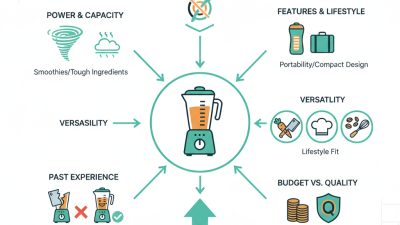
Many users overlook their specific needs. For instance, some may require portable options for travel, while others need high-capacity models for family meals. Reflecting on personal preferences and typical recipes is crucial. Finding a balance between features and budget can be challenging. A thoughtful approach can ensure satisfaction with your choice.
Understanding Your Blending Needs and Preferences
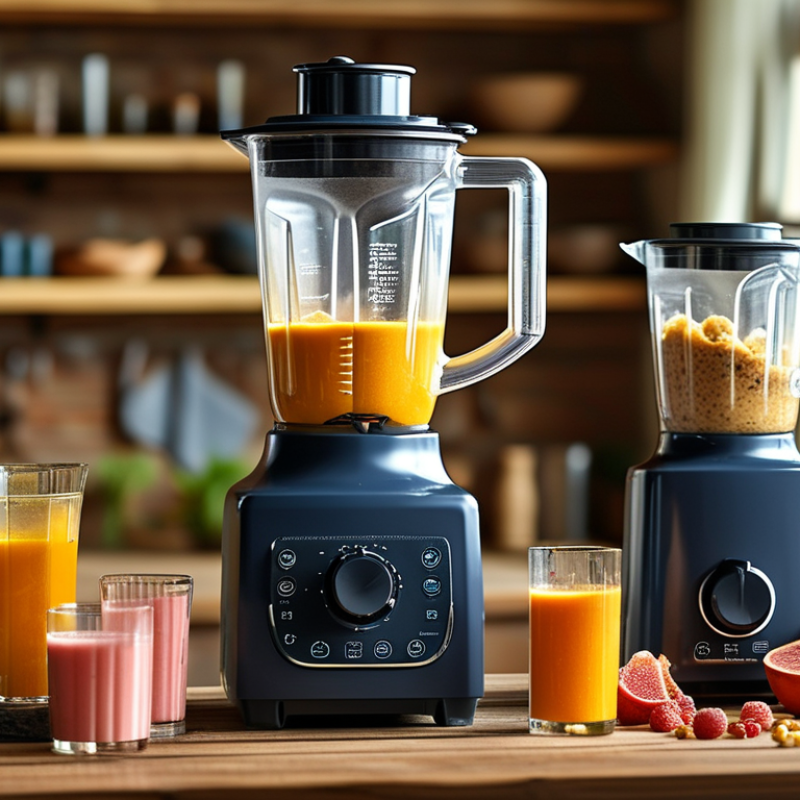
When selecting a blender mixer, understanding your blending needs is crucial.
Consider what you typically prepare. Do you often make smoothies, soups, or nut butters? Each application can demand different features. A blender's power and speed settings should align with your intended use. If you make frozen drinks frequently, a higher wattage model may be necessary.
Preferences also play a significant role. Think about the design and size. Do you have limited counter space? A compact model might suit you better. Consider your cleanup routine. Some blenders have dishwasher-safe components, while others may require more effort. Additionally, assess your mixing capacity needs. A smaller family might not need a large-capacity blender.
Ultimately, reflection is essential. Are you focusing too much on price? Sometimes, investing a bit more ensures longevity and efficiency. How often do you blend? If it’s a regular activity, choosing a durable and versatile machine becomes even more critical. Listening to your needs and preferences guides you toward the right choice.
Types of Blender Mixer Machines and Their Features
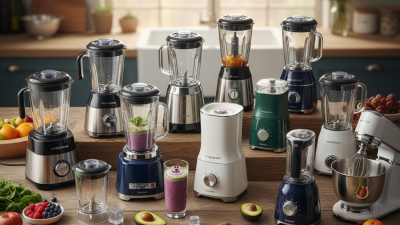
When searching for the ideal blender mixer machine, understanding the different types is essential. There are personal blenders, which are small, portable, and perfect for smoothies. Their compact size makes them easy to store and clean. They often come with on-the-go cups, enhancing convenience.
Countertop blenders are robust and versatile. They can handle a variety of tasks, from making soups to crushing ice. These machines usually have larger capacities, ideal for families or meal prep. The powerful motor ensures a smooth blend every time. However, they can take up significant counter space, which might be a drawback.
Handheld or immersion blenders are handy for quick tasks. They are lightweight and easy to use directly in pots or bowls. Adjusting the blending speed is often simple, offering quick control. While they are less powerful than countertop blenders, they excel in convenience.
Tip: Consider the noise level of the blender. Some machines operate quietly, while others can be quite loud.
Tip: Look for blenders with multiple speed settings. This feature provides versatility for different recipes.
Choosing the right machine can feel overwhelming. Focus on what you'll use it for most. Consider your kitchen space and cleaning preferences. Evaluate the types of recipes you want to make.
Key Specifications to Consider When Selecting a Blender
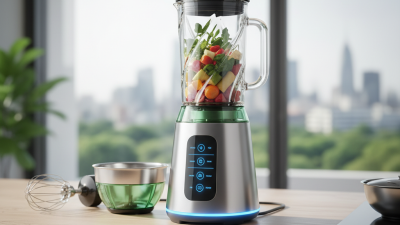
When selecting a blender mixer, key specifications matter greatly. Power is paramount. A blender with at least 500 watts can handle tough ingredients. Higher wattage can blend smoothly, but consider your typical uses. Do you blend fruits for smoothies or tougher items like frozen vegetables?
The capacity of the blending jar is another crucial aspect. A larger jar works for families, while smaller jars can suffice for single servings. Material also impacts durability. Glass jars resist scratching but are heavy. Plastic jars are lightweight, but they may wear over time. Think about what fits best in your kitchen.
Speed settings enhance versatility. A minimum of three speeds allows control over blending. Pulse functions provide precision for chunky textures. However, too many settings might complicate usage for some. Always balance features with ease of use. Reflect on what you truly need versus what seems appealing. A simple, reliable machine can often outperform one loaded with options.
Blender Mixer Machine Specifications Comparison
Comparing Brands and Price Points for Best Value
When comparing blender mixer machines, brand reputation plays a significant role. Established brands often promise quality and durability. Many consumers trust these names due to their consistent performance over time. However, lesser-known brands can offer competitive pricing and unique features. Some may excel in specific functions, such as making smoothies or soups.
Price points vary widely across models. You may find basic blenders priced lower, but they often lack power and versatility. High-end models come with advanced settings and attachments. These machines often promise longevity and improved results. Invest wisely; sometimes, spending more now can save you money on replacements later.
Carefully consider your needs. Do you often prepare meals, or only enjoy smoothies occasionally? Your usage directly impacts your choice. Research user reviews and expert opinions for a well-rounded view. Some mixers may not perform as expected despite high ratings. It's essential to balance cost with functionality. An informed decision will lead to greater satisfaction with your purchase.
Maintenance and Care Tips for Your Blender Mixer Machine
Maintaining your blender mixer machine is essential for optimal performance. Regular cleaning is key to preventing food buildup. After each use, rinse the jar and blade immediately to avoid stubborn stains.
Here are some tips for proper care:
1. Always use warm, soapy water for cleaning. Avoid soaking electrical components.
2. Check the blades periodically for sharpness. Dull blades can affect blending efficiency.
3. Store the blender properly. Keeping it in a dry, clean place will extend its life.
Sometimes, we overlook the smaller details. Remember to inspect the power cord for signs of wear. A frayed cord can be a safety hazard. Also, don't forget about the rubber gaskets; they may need occasional replacement to prevent leaks. Taking these simple steps will ensure your machine works smoothly for years.
How to Choose the Best Blender Mixer Machine for Your Needs? - Maintenance and Care Tips for Your Blender Mixer Machine
| Feature |
Description |
Maintenance Tips |
| Power |
Measured in watts; higher wattage means more power. |
Regularly check cord and plug for damage. |
| Blades |
Stainless steel blades are durable and resistant to rust. |
Wash blades carefully; avoid leaving them submerged in water. |
| Capacity |
Larger capacity allows for bigger batches. |
Do not overfill; follow the max fill line. |
| Speed Settings |
Multiple speeds allow for versatile blending. |
Use the lowest speed for softer ingredients. |
| Cleaning Ease |
Some models are dishwasher safe; check compatibility. |
Blend warm water and soap for easy cleaning. |