High Speed Mixer Buying Guide for Global Importers
In the global manufacturing landscape, the demand for efficient mixing solutions is on the rise. The High Speed Mixer has become essential in various industries, including food processing, pharmaceuticals, and chemicals. According to a recent report by MarketsandMarkets, the market for high-speed mixers is projected to reach $1.5 billion by 2026, reflecting a CAGR of 5.8%. This growth underscores the importance of selecting the right mixer for quality outcomes.
Importers face challenges when sourcing High Speed Mixers. With numerous options available, understanding the specifications and applications is crucial. It’s not just about speed; factors like mixing homogeneity, energy consumption, and maintenance costs must be considered. Expert insights suggest that the right blend of features can enhance production efficiency and reduce downtime. However, many buyers overlooked these critical factors, leading to suboptimal performance.
Navigating this market requires careful research. Buyers must rely on trusted suppliers with a proven track record. Industry certifications and customer reviews can provide insight into a manufacturer's credibility. Reflecting on past purchasing experiences can reveal common pitfalls. As importers embark on this journey, a thorough approach will ensure they invest wisely in High Speed Mixers that meet their operational needs.
Factors Influencing High Speed Mixer Selection for Importers
When selecting a high-speed mixer, several key factors come into play for global importers. The primary consideration is the mixer’s capacity and speed ranges. The demand for high-speed mixers has surged by over 30% in the last five years. This growth is driven by industries such as food processing and pharmaceuticals, which require efficient mixing solutions.
Another important aspect is energy efficiency. According to a recent industry report, energy-efficient mixers can reduce operational costs by 15-20%. Importers need to evaluate the power requirements of the mixers they're considering. Choosing a model that balances power consumption with performance is crucial. Also, pay attention to maintenance and repair considerations. Some models may require specialized skills for upkeep, raising long-term costs.
Lastly, flexibility in design is vital. Many manufacturers now offer customizable features. This flexibility allows for better adaptation to various production requirements. However, the complexities in customization could lead to longer lead times. Importers should weigh these factors carefully. They should ensure that any chosen mixer aligns with their operational goals and compliance needs.
Understanding Different Types of High Speed Mixers and Their Uses
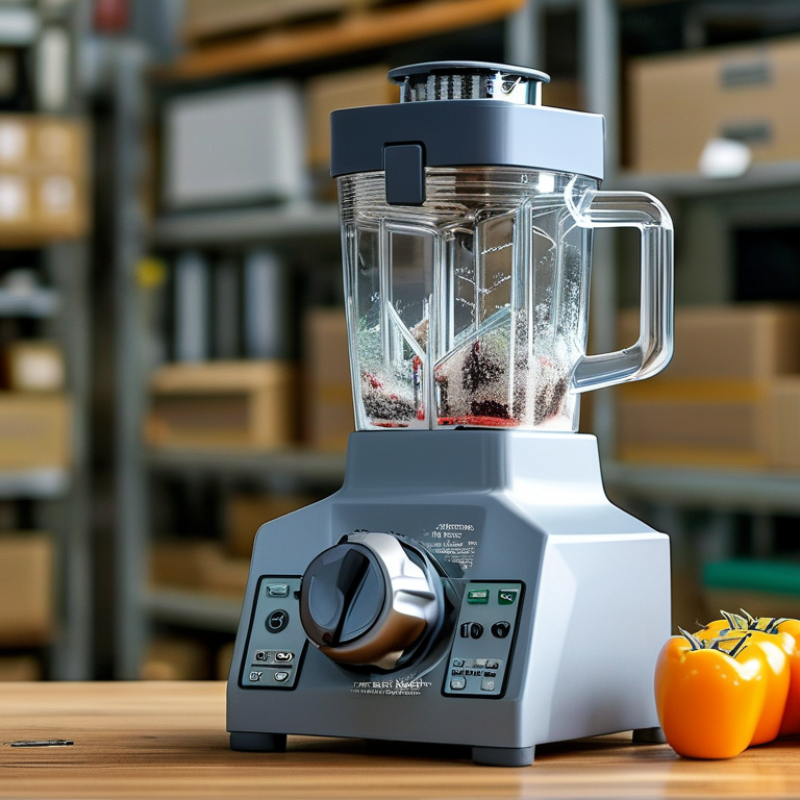
High speed mixers are essential tools in many industries, from food processing to pharmaceuticals. Different types of high speed mixers are designed for specific tasks. For instance, some mixers are ideal for emulsifying liquids, while others excel at blending dry powders. Understanding the application of each type is crucial for importers.
When selecting a high speed mixer, consider the material you will be mixing. Stainless steel mixers are common due to their durability and ease of cleaning. Plastic mixers might be suitable for less demanding applications. Another important factor is the mixer’s capacity. Smaller mixers are great for batch production, while larger models can handle continuous processes.
Tips: Always check the power rating of the mixer. A higher rating usually means better performance. It's also wise to look for models that allow for variable speed control. This feature gives more flexibility for mixing different materials.
Consider the maintenance needs. Some mixers may require more upkeep than others. Assess whether you have the resources for proper care. If you encounter difficulties in performance, reflect on the mixer’s application. Sometimes, the issue is not the machine but how it is utilized.
Key Technical Specifications for High Speed Mixers in Global Markets
When selecting high-speed mixers for global markets, understanding the technical specifications is crucial. Key factors include mixing speed, capacity, and energy efficiency. According to industry reports, optimal mixing speeds typically range between 1,500 to 3,000 RPM for most applications. This range ensures thorough mixing while maintaining material integrity.
Energy consumption is another vital consideration. Reports indicate that energy-efficient mixers can reduce operational costs by up to 30%. This efficiency is often linked to advanced motor technologies and smart control systems. Moreover, the capacity of the mixer should align with production needs. Many facilities benefit from adjustable capacity options, ranging from small laboratory mixers to large-scale industrial units.
While these specifications provide guidance, variations exist. Importers should be wary of common pitfalls in the selection process, like overestimating required capacity. Finding the right balance between speed, energy use, and capacity is challenging. Gathering real-world performance data from peers can offer valuable insights. Ultimately, a well-informed choice can enhance production efficiency while cutting costs.
High Speed Mixer Performance Comparison
Market Trends and Growth Projections for High Speed Mixer Industry
The high-speed mixer industry is experiencing significant growth globally. Recent reports indicate that the market is expected to expand at a CAGR of 7.3% through 2028. This growth is attributed to increasing demand in sectors such as food and beverage, pharmaceuticals, and materials processing. As industries evolve, high-speed mixers are becoming essential for improving efficiency and product quality.
In purchasing a high-speed mixer, consider the type needed for your specific application. Different mixers serve various purposes, including emulsifying, homogenizing, and mixing powders. Market research shows that inline mixers are gaining popularity due to their efficiency and minimal product loss. Remember, not all mixers are suitable for every application. Take time to understand your unique processing needs before making a decision.
Tip: Always review the material compatibility of the mixer with your substances. Mixing materials that react negatively can compromise safety and quality. Additionally, factor in maintenance costs. Some mixers may have a lower upfront cost but incur higher maintenance expenses over time. Balancing initial investment with long-term expenses is crucial for effective decision-making.
Import Regulations and Standards for High Speed Mixers Worldwide
Navigating import regulations for high-speed mixers can be complex. Various countries have distinct standards that importers must follow. Understanding these regulations is crucial for compliance. Each market has specific certifications and safety guidelines that impact the product's acceptance. Ignoring these can result in costly delays.
Many regions require compliance with ISO standards. In Europe, for example, the CE marking indicates conformity with health and safety standards. Asia also has its guidelines, focusing on energy efficiency. Always research the specific requirements of your target market. Check for additional local regulations that may apply.
Mistakes can lead to significant challenges. Some importers overlook the need for proper documentation. Proper labeling is also vital to meet local expectations. Not paying close attention could mean wasted resources and frustration. Adapting to each market's standards is essential but can be confusing. Regularly reviewing regulations helps importers stay ahead.
High Speed Mixer Buying Guide for Global Importers
| Region |
Import Regulations |
Standards |
Voltage Compatibility |
Common Uses |
| North America |
UL Certification Required |
ASTM E2873 |
120V/60Hz |
Food & Beverage Processing |
| European Union |
CE Marking Required |
EN ISO 12100 |
230V/50Hz |
Chemical & Pharmaceutical |
| Asia-Pacific |
Compliance with Local Standards |
ISO 9001 |
220V/50Hz or 110V/60Hz |
Cosmetic & Personal Care |
| South America |
ANVISA Registration for Food Equipment |
ABNT NBR |
127V/60Hz |
Construction Materials |
| Middle East |
G-Mark Certification Needed |
GSO EN Standards |
220V/60Hz |
Agricultural Products |