Top 10 Liquid Filling Machines for Global Buyers
Liquid Filling Machines are central to producing consistent packages, from small cosmetic bottles to large food-grade containers. For global buyers, choosing a machine is not simply a matter of speed. Product viscosity, container shape, cleaning needs, changeover time, and local service support all affect performance on the factory floor.
Industry estimates show why the category deserves careful evaluation. Grand View Research valued the global filling-machines market at about USD 7.15 billion in 2022 and projected a 4.5% compound annual growth rate through 2030. Fortune Business Insights estimated the market at USD 7.41 billion in 2023, forecasting growth to USD 11.76 billion by 2032. These figures are not directly interchangeable; report definitions and forecast periods differ. Still, both point to sustained investment in filling equipment. The market is moving.
This Top 10 guide compares equipment types and suppliers through practical buying criteria: filling accuracy, operating range, production capacity, sanitation design, integration options, and after-sales support. A high-speed line may look impressive, but it can be the wrong choice for frequent small-batch changes. A simpler system may fit better, though buyers should verify its real output with their own containers and product. That check matters. Specifications alone rarely reveal every trade-off, and supplier claims deserve careful questions. Use the shortlist as a starting point, then confirm performance, spare-parts access, and total ownership costs before committing.
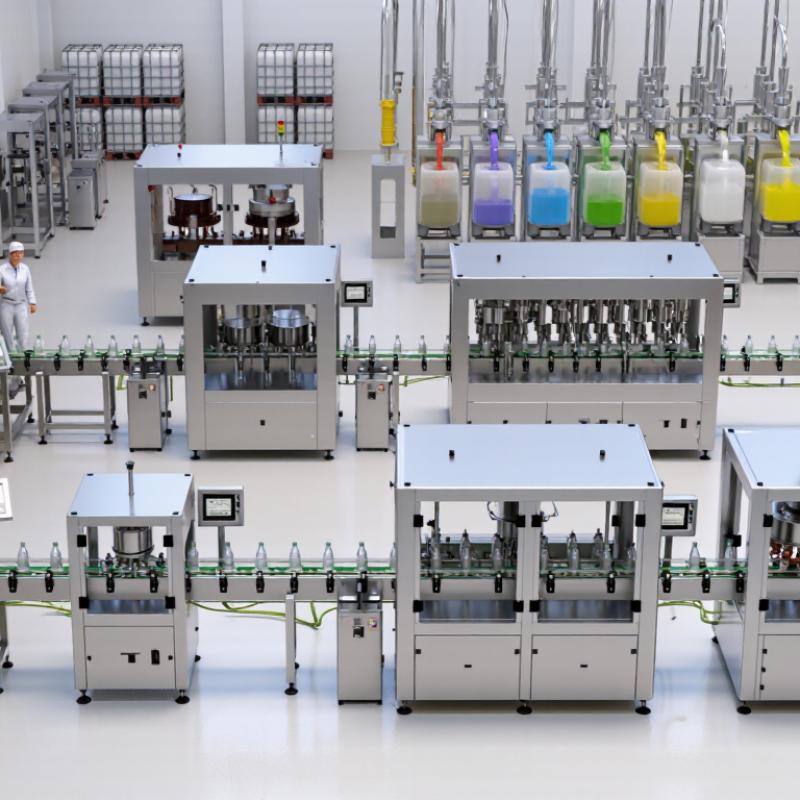
What Liquid Filling Machines Do and How Their Core Systems Work
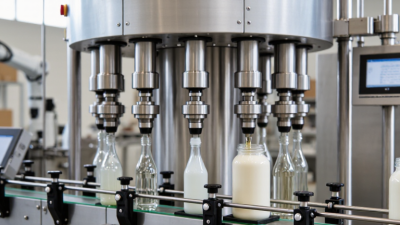
A liquid filling machine transfers a measured volume into each container, then releases it cleanly before the next cycle. Its core systems include product supply, metering, nozzles, container handling, and controls. The product may move by gravity, piston, or flowmeter. Each method suits different viscosities and accuracy needs. Simple in theory.
A pump or feed tank supplies liquid at a controlled rate. The metering system sets the dose, while nozzles guide the stream and reduce splashing or dripping. Conveyors position bottles beneath the nozzles; sensors check their presence before filling begins. Operators adjust speed, fill volume, and nozzle height for different container shapes. A small setup error can mean uneven fills or messy rims.
Grand View Research estimated the global liquid packaging market at about US$371.4 billion in 2023, with continued growth projected through 2030. This is packaging-market data, not a measure of filling-machine performance, but it signals the scale of demand for reliable filling processes. In practice, buyers should test the actual liquid and container together: foam, temperature, and bottle movement can change results. A specification sheet cannot reveal every production-floor problem.
Which Filling Technologies Fit Different Liquids and Containers
Choosing a filling technology starts with the liquid, not the machine name. Gravity or timed-flow systems suit thin, free-flowing liquids, while overflow filling helps limit visible level differences in foaming products. Piston fillers handle thicker sauces and creams; flow-meter systems can accommodate varied liquid volumes. For delicate liquids or small batches, peristaltic pumps offer controlled dosing, though tubing wear needs attention. There is no perfect setup.
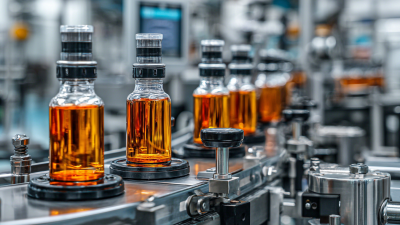
Containers matter just as much. Glass bottles need stable handling and gentle transfer; lightweight plastic bottles may deform under excessive pressure. Wide-mouth jars can suit piston nozzles, while narrow necks call for compact, accurately positioned filling heads. Grand View Research estimated the global filling machine market at USD 6.6 billion in 2022 and projected 4.7% annual growth through 2030. That market trend signals investment, not a guarantee that one technology fits every plant. Test with the actual liquid and container.
Tips: Run trials at production speed. Check foam, dripping, fill-weight variation, and changeover time. Small leaks matter. Record results, then adjust nozzle height and fill settings.
Top 10 Liquid Filling Machines for Global Buyers
Which filling technologies fit different liquids and containers?
The 1–5 scores are a qualitative comparison of typical application fit, not measured performance or a universal specification. Gravity and overflow filling are commonly used for free-flowing liquids; piston and gear-pump systems suit thicker products; peristaltic filling is often selected for small batches or applications requiring a disposable product-contact path. Foaming behavior, particulates, viscosity, container geometry, and hygiene requirements can change the best choice.
How Global Buyers Can Assess Capacity, Accuracy, and Compliance
For global buyers, a machine’s advertised speed is only a starting point. Ask for output using your bottle size, fill volume, and product viscosity. A unit rated at 120 containers per minute may deliver less after changeovers, pauses, and routine cleaning. Request a production trial with your own containers and product. Track usable output, reject rates, and adjustment time. Small details matter.
Filling accuracy should be tested across the entire run, not just a few samples at startup. Ask how the machine measures each dose and how operators verify calibration. For a 500-milliliter bottle, compare repeated fills on a scale and record variation. Set an acceptable tolerance that fits your product and process. No single rating tells the full story. A spotless test run may not reflect a messy Monday shift, and that deserves honest discussion.
Check whether product-contact materials, guards, electrical components, and documentation suit your facility and destination markets. Requirements differ, so confirm applicable standards with qualified local specialists rather than relying on a supplier’s broad claim. Review cleaning instructions, spare-part availability, operator training, and maintenance records. Ask to see manuals and test reports before purchase. Paperwork can look reassuring, but it should match the machine delivered.
Top 10 Liquid Filling Machines for Global Buyers: Features and Uses
Top 10 Liquid Filling Machines for Global Buyers: Features and Uses
The right filler depends on liquid thickness, container shape, and required output. Gravity fillers suit thin liquids such as water. Pressure-gravity systems handle some foaming beverages. Piston fillers meter thicker products like sauces, while pump fillers work with oils and syrups. Peristaltic units offer controlled dosing for small batches. Overflow fillers help create a consistent visible fill line. Net-weight fillers measure by mass. Volumetric fillers dispense set volumes. Rotary machines support high-speed lines; inline machines fit smaller or flexible operations. Small details matter.
PMMI’s 2024 State of the Industry report estimated U.S. packaging machinery shipments at about $10.9 billion in 2023. Beverage Marketing Corporation reported roughly 15.9 billion gallons of U.S. bottled-water volume that year. These figures describe adjacent markets, not liquid-filler sales directly. Still, they show why speed, repeatability, and easy cleaning matter to many packaging lines. That matters.
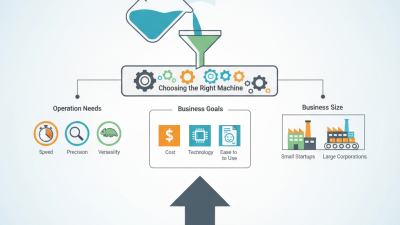
Before choosing, test the actual liquid and container. A thick syrup may leave residue in narrow hoses; a foaming drink can spill when filling speed is too aggressive. Ask suppliers for measured accuracy, changeover time, and cleaning procedures under your operating conditions. A ranking can mislead. The “best” machine on paper may be a poor fit for a short run, unusual bottle neck, or frequent product change. Plan for those real-world compromises.
How to Compare Costs, Supplier Support, and Long-Term Performance
Top 10 Liquid Filling Machines for Global Buyers
Compare each machine by total cost, not purchase price alone. Grand View Research estimated the broader global filling-machines market at USD 7.16 billion in 2023, with a projected 4.8% annual growth rate through 2030. That growth makes supplier claims easy to find; comparable service terms are harder. Request itemized costs for change parts, commissioning, operator training, and preventive maintenance. Then test the machine with your actual container, liquid, and target speed. A filler running water in a showroom proves little about foamy or temperature-sensitive products.
Supplier support affects long-term performance. Ask for written response times, spare-parts availability, and remote troubleshooting options in your operating region. PMMI’s 2024 State of the Industry report identifies labor availability as a continuing pressure for manufacturers, so simpler changeovers and clear operator instructions can reduce practical risk. Still, a tidy payback spreadsheet can miss setup delays and imperfect cleaning routines. Ask for references from plants with similar shift patterns and production volumes, not just similar machine specifications.
Tips: Compare energy use, fill accuracy, changeover time, and service costs over five years. Keep the test conditions in writing. Uptime matters most.