Top 10 Benefits of Stainless Mixing Tanks for Global Buyers
The global food and beverage industry is evolving. As of 2022, the market for stainless mixing tanks has reached over $4 billion, according to industry reports. Stainless Mixing Tanks play a crucial role in various sectors, including pharmaceuticals, cosmetics, and chemicals. They ensure efficient blending of materials, enhancing product quality and consistency.
Manufacturers value stainless mixing tanks for their durability and resistance to corrosion. This extends their lifespan, reducing replacement costs. Moreover, their hygienic properties make them ideal for food-grade applications. However, some buyers may overlook factors like compatibility with specific substances. Prior research and understanding are vital when selecting a tank.
While stainless mixing tanks offer numerous benefits, potential buyers need to consider the initial investment. Although costs can be substantial, the long-term savings often outweigh them. Investing in the right tank not only boosts production efficiency but also ensures product safety and compliance with industry standards.
Understanding Stainless Mixing Tanks and Their Global Appeal
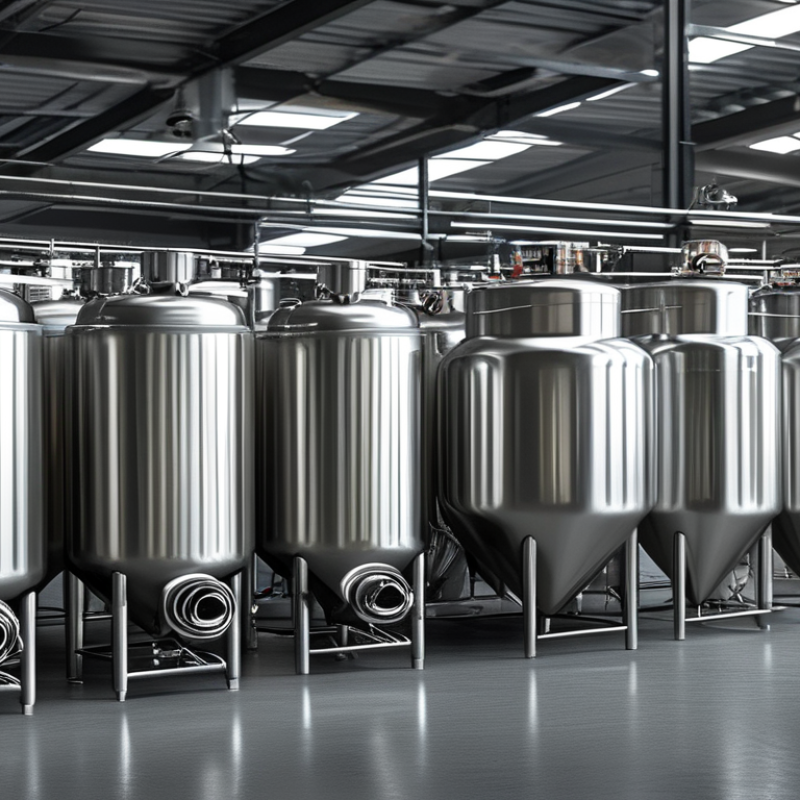
Stainless mixing tanks are essential in many industries. Buyers worldwide value these tanks for their durability and sanitation. Crafted from high-quality stainless steel, they resist corrosion and withstand high temperatures. According to a recent industry report from Mordor Intelligence, the global stainless steel tank market is expected to grow at a CAGR of 5% through 2026. This growth underscores their importance in food, pharmaceutical, and chemical manufacturing.
The appeal of stainless mixing tanks lies in their versatility. They excel in blending liquids, pastes, and powders. For example, in the food industry, they ensure uniform mixtures while maintaining hygiene. A survey from Grand View Research indicates that up to 70% of manufacturers prefer stainless tanks for food processing. This preference stems from both regulatory requirements and the need for safety.
Despite their benefits, there are challenges. The initial cost can be higher than other materials. Buyers must weigh the long-term savings against the upfront expense. Additionally, not all stainless steel is created equal; different grades affect performance. Understanding these factors can help buyers make informed decisions.
Key Advantages of Stainless Mixing Tanks for Diverse Industries
Stainless mixing tanks play a crucial role in various industries, including food and beverage, pharmaceuticals, and chemicals. The global stainless steel mixing tank market is projected to grow significantly, with trends indicating a rise from $2.5 billion in 2021 to $3.8 billion by 2027, according to industry reports. This growth reflects the increasing demand for durable and efficient mixing solutions.
One major advantage of stainless mixing tanks is their resistance to corrosion and rust. This property is essential for maintaining product purity. In the food industry, for instance, a clean environment prevents contamination. Stainless steel also withstands high temperatures, making it suitable for processes like pasteurization. However, while some manufacturers may overlook maintenance, inadequate care can lead to costly repairs.
Another key benefit is the tanks’ ability to ensure uniform mixing. This is critical in pharmaceuticals, where precise formulations matter. A study noted that inconsistent mixing could lead to variations in product efficacy. Still, the investment in stainless steel systems must be justified against operational budgets, and some businesses may hesitate due to initial costs. Understanding these dynamics is vital for strategic decision-making.
Durability and Longevity: Why Stainless Steel Outperforms Other Materials
Stainless steel mixing tanks are increasingly popular among global buyers due to their durability and longevity. Unlike other materials, stainless steel offers excellent resistance to corrosion and wear. This means these tanks can withstand harsh environments without deteriorating. The non-reactive nature of stainless steel ensures that the purity of the contents is maintained, which is critical in many industries.
Many buyers may overlook the initial cost of stainless steel tanks. However, their longevity often leads to cost savings over time. When maintained properly, these tanks can last for decades. This durability reduces the need for frequent replacements, making stainless steel a smart long-term investment. Nevertheless, some users may find it challenging to keep these tanks in pristine condition. Regular maintenance is essential, and this responsibility can sometimes be underestimated.
Another important aspect is the eco-friendliness of stainless steel. It is 100% recyclable, making it a sustainable option for environmentally conscious buyers. However, the recycling process may not always be as straightforward as expected. Ensuring proper recycling requires knowledge and proper facilities. Thus, while stainless steel offers many advantages, users must stay informed and proactive about its care and recycling to fully appreciate its benefits.
Sanitation and Safety: The Health Benefits of Stainless Mixing Tanks
Stainless mixing tanks offer significant sanitation and safety benefits. These tanks are resistant to rust and corrosion. Data from the Food and Drug Administration reveals that stainless steel surfaces are less likely to harbor bacteria. They can be easily cleaned and sanitized. This reduces the risk of contamination, which is crucial in food and beverage industries.
Moreover, stainless steel is non-reactive. This means it won’t leach harmful chemicals into products. A study published in the Journal of Hazardous Materials confirms that stainless steel maintains product integrity. In an environment where safety is non-negotiable, this is vital for consumer health.
However, not all stainless steel is created equal. Different grades offer varying levels of corrosion resistance. Buyers must be cautious about selecting the appropriate material for their specific needs. Investing in proper sanitation practices is essential. It minimizes health risks and ensures product quality. Overall, stainless mixing tanks are a reliable choice for maintaining safety in production environments.
Cost-Effectiveness: Long-Term Savings with Stainless Tanks
Stainless mixing tanks offer significant cost-effectiveness for global buyers. Their durability leads to long-term savings. Unlike other materials, stainless steel resists corrosion. This means fewer replacements and repairs over time. In industries such as food processing and pharmaceuticals, safety is crucial. Stainless tanks ensure hygienic storage and mixing, eliminating the risk of contamination.
Furthermore, stainless tanks require minimal maintenance. Regular cleaning is straightforward, saving labor costs. While the initial investment may be higher, the long-term financial benefits outweigh it. Buyers often overlook the hidden costs of lower-quality alternatives. Frequent repairs and product loss can accumulate quickly. Investing in stainless steel is a strategic decision for growth.
Global buyers should also consider energy efficiency. Stainless tanks can handle temperature variations effectively. This capability reduces energy consumption. In the long run, it leads to lower operational costs. Effectively managing resources is essential for sustainable practices. Choosing stainless mixing tanks reflects a commitment to quality and efficiency, even if it appears daunting at first.