Top 10 High Shear Homogenizers for Global Buyers?
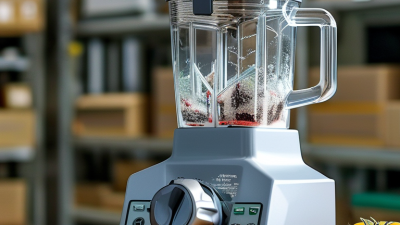
In the realm of industrial mixing, the High Shear Homogenizer stands out as a pivotal technology. Many global buyers seek the best options available. These machines are crucial for achieving uniformity in various applications. They excel in emulsifying, dispersing, and blending materials effectively. This has made them popular in diverse industries, from pharmaceuticals to food processing.
As you delve into the world of High Shear Homogenizers, consider the unique needs of your applications. Different models offer various capabilities and specifications. Not all homogenizers deliver the same performance. Choosing the right one demands careful evaluation. Some may excel in certain processes but lack in others. Understanding these nuances can lead to better purchasing decisions.
Investing in a quality High Shear Homogenizer can significantly enhance your production efficiency. However, it's vital to reflect on your operational requirements. Many buyers overlook the importance of compatibility with existing systems. This can lead to operational hitches and inefficiencies. Therefore, comprehensive research is essential to ensure a reliable choice that meets industry standards.
Key Features to Consider When Choosing High Shear Homogenizers
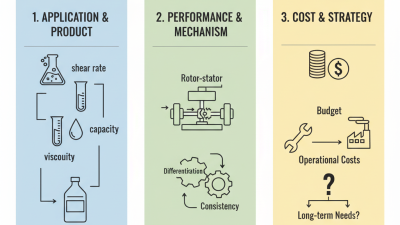
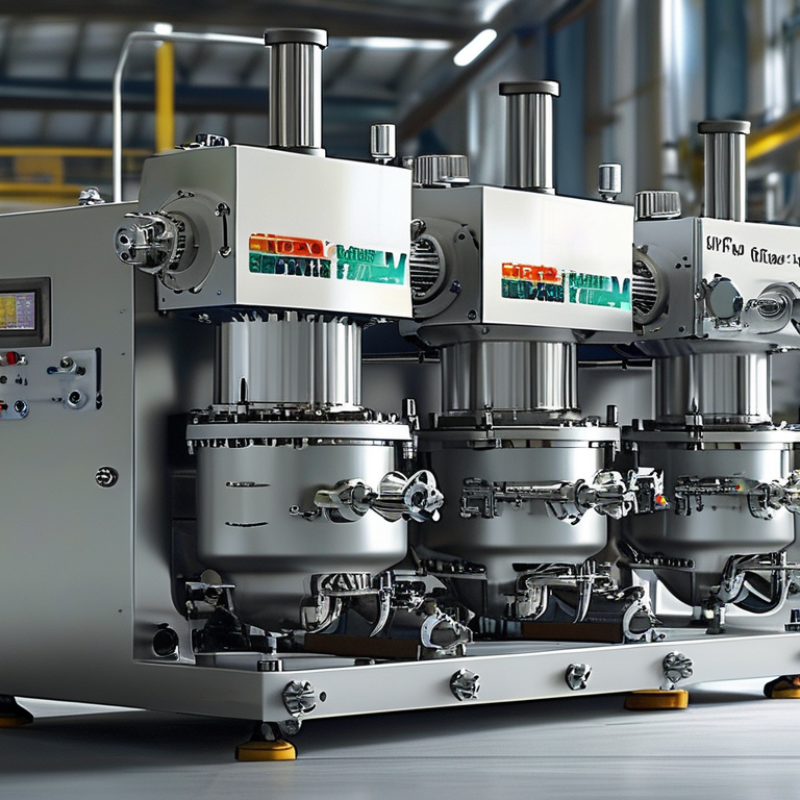
When selecting a high shear homogenizer, several key features are essential to consider. First, look at the rotor-stator design, which directly impacts shear rates and emulsification efficiency. A greater shear rate often leads to finer particle sizes, which can enhance the stability of emulsions and dispersions.
Power and speed settings contribute significantly to usability. It’s advisable to choose a model that offers variable speed control. This flexibility can help in processing a wide range of materials without compromising uniformity. According to a recent market analysis by Grand View Research, the global high shear mixer market is projected to reach $1.1 billion by 2025. This growth underscores the importance of selecting the right homogenizer for diverse applications.
Tips: Always check the machine’s energy consumption. Efficient models reduce operational costs over time. Additionally, consider the ease of cleaning. A design that facilitates quick disassembly can save valuable time in manufacturing processes.
Another aspect is the material compatibility. Ensure the homogenizer is made from high-quality materials that withstand corrosive substances. A subpar machine may create contamination risks or require premature replacement. Regular evaluations on equipment performance are also crucial, as maintenance is often overlooked.
Top Brands of High Shear Homogenizers in the Global Market
High shear homogenizers play a crucial role in various industries, especially in food, pharmaceuticals, and cosmetics. Market research shows that the global homogenizer market is expected to grow steadily, with a projected compound annual growth rate (CAGR) of around 5% through 2027. This growth reflects the increasing demand for high-quality and consistent products. Companies are paying attention to how these machines affect product performance and texture.
Brands in this sector focus on technology, innovation, and customer feedback. High shear homogenizers can improve product stability and shelf life. They are known for their ability to create emulsions and fine particles. However, the selection process can be overwhelming for buyers. Reports indicate that customization often leads to better outcomes, yet many users still opt for off-the-shelf solutions. This begs the question: Are they missing out on functionalities tailored to their unique needs?
Additionally, the importance of durability and maintenance cannot be overlooked. Many homogenizers have complex designs that might require careful handling. Regular maintenance can minimize downtime, but some buyers overlook this aspect. Understanding the intricacies of high shear homogenizers remains essential. Industry studies emphasize that investing in better technology results in significant long-term savings. Ultimately, the choice of homogenizer impacts not only production efficiency but also product quality.
Top 10 High Shear Homogenizers for Global Buyers
| Model |
Max RPM |
Capacity (liters) |
Power (kW) |
Weight (kg) |
Material |
| Model A |
18,000 |
10 |
5.5 |
150 |
Stainless Steel |
| Model B |
15,000 |
20 |
7.5 |
200 |
Aluminum |
| Model C |
22,000 |
5 |
3.0 |
120 |
Plastic |
| Model D |
30,000 |
15 |
10.0 |
180 |
Stainless Steel |
| Model E |
25,000 |
12 |
9.0 |
160 |
PVC |
| Model F |
20,000 |
8 |
4.0 |
140 |
Stainless Steel |
| Model G |
28,000 |
6 |
6.0 |
150 |
Aluminum |
| Model H |
19,000 |
11 |
3.5 |
130 |
Plastic |
| Model I |
21,000 |
9 |
5.0 |
155 |
Stainless Steel |
| Model J |
16,000 |
13 |
4.5 |
170 |
PVC |
Applications of High Shear Homogenizers Across Different Industries
High shear homogenizers play a vital role in various industries. Their primary function is to create uniform particle sizes and improve product consistency. In food manufacturing, they ensure that emulsions and suspensions are stable, enhancing the texture and flavor of sauces and dressings. In the pharmaceutical sector, they contribute to the production of high-quality suspensions and formulations, improving bioavailability.
One important application is in the cosmetic industry. Here, high shear homogenizers help create smooth creams and lotions. They break down larger particles and provide a desirable product consistency. This results in improved sensory attributes that customers often seek.
Tips: Always consider the viscosity of the materials you're working with. Higher viscosity may require more powerful equipment. Do test runs to ensure optimal performance.
Also, remember that maintenance is crucial. Regularly check your equipment for wear and tear. A well-maintained homogenizer will operate more efficiently and produce better results. Ultimately, the right choices can lead to higher quality products in any industry.
Comparison of Performance and Efficiency Among Leading Models
When choosing high shear homogenizers, performance and efficiency are key factors. Different models exhibit varying capabilities in particle size reduction and blending time. Some units excel in specific applications, while others offer versatility across multiple use cases. For instance, one model may achieve a finer emulsion faster than another. However, this speed can sometimes come at the cost of energy consumption, which is critical for long-term operational efficiency.
In terms of design, factors like rotor-stator configuration can greatly influence performance. High shear forces produce smaller particle sizes, leading to better texture and stability in final products. Users often find a trade-off between the required shear rate and the heat generated during the process. Balancing these elements poses challenges. Often, operators must adjust parameters to get the desired results, which can lead to inefficiencies if not carefully monitored.
Another point for consideration is the ease of cleaning. Some models may have complex designs, increasing downtime for maintenance. Users should weigh the efficiency gains against potential cleaning hurdles. Reliability also varies; certain models are more durable and low-maintenance than others. Understanding these nuances can inform a more informed and effective purchasing decision.
Maintenance and Safety Guidelines for High Shear Homogenizers
High shear homogenizers play a crucial role in various industries. Ensuring their proper maintenance is vital for effective performance. Regularly checking seals and gaskets can prevent leaks. It is essential to clean the equipment after each use. Buildups can lead to inefficient operation or contamination.
Safety is paramount when operating these machines. Always wear appropriate personal protective equipment. This includes gloves and goggles to prevent exposure to harmful substances. Ensure the equipment is stable and on a secure surface. Operators should be trained in handling the machine safely. Misuse can lead to accidents that cause injury.
Vibration can indicate mechanical issues. Address these problems promptly to avoid severe damage. Regular inspections can help identify wear and tear before they escalate. Documenting maintenance activities can improve reliability. This data helps refine techniques and prevents future mishaps.
Top 10 High Shear Homogenizers Performance Comparison