Top 5 Liquid Filling Machines to Boost Your Business Efficiency?
In today's competitive market, enhancing business efficiency is crucial. Liquid filling machines play a vital role in this process. These machines automate the filling process, ensuring precision and saving time. Manual filling can lead to inconsistencies and waste. Reliable liquid filling machines help mitigate these issues effectively.
When selecting the right machine, it's essential to consider your specific needs. Each type of liquid filling machine offers unique benefits. Some excel in high-speed filling, while others focus on accuracy for more delicate liquids. Finding the right balance between speed and precision can be challenging but necessary for success.
Investing in quality liquid filling machines can significantly impact your productivity. However, it's also important to regularly evaluate their performance. Ongoing maintenance ensures that these machines operate at peak efficiency. Understanding their limitations can also help you make informed decisions for your business growth. Balancing efficiency with quality can lead to lasting results.
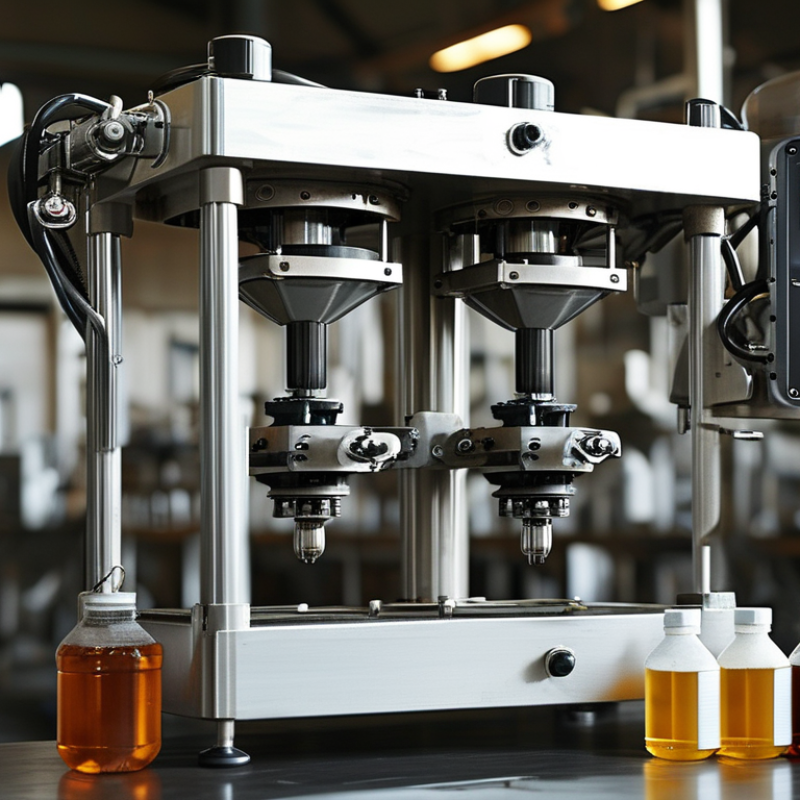
Top 5 Liquid Filling Machines: An Overview of Market Trends and Growth
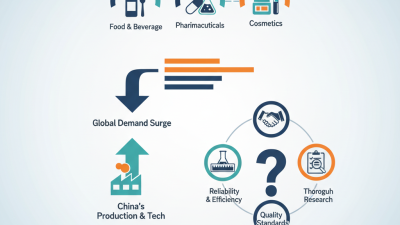
The liquid filling machine market is experiencing a notable surge. According to a recent report by MarketsandMarkets, the market is projected to reach USD 6.07 billion by 2026. This growth is largely driven by increased demand in sectors such as food and beverage, pharmaceuticals, and personal care. Businesses look for efficiency as they scale operations, impacting their choice of filling machinery.
Investments in automation are transforming production lines. Companies are prioritizing machines that can handle diverse liquids, enhance accuracy, and minimize waste. A study by Grand View Research highlights that the demand for automated filling solutions will grow by 8.5% annually through 2025. However, as manufacturers innovate, concerns about the energy consumption of these machines arise. Striking a balance between efficiency and sustainability remains a challenge.
User-friendly design is another trend shaping the market. Machines need intuitive interfaces for operators. Yet, some equipment may require extensive training, creating a temporary bottleneck. Additionally, integrating new technology with legacy systems can prove complicated. Despite these hurdles, the long-term benefits of upgrading are clear. Enhanced productivity and reduced operational costs can substantially boost overall business efficiency.
Key Features to Look for in High-Efficiency Liquid Filling Machines
When selecting a high-efficiency liquid filling machine, several key features can enhance your business processes. Look for speed and precision in the filling cycle. Fast and accurate filling reduces downtime and product waste. A machine that can handle various liquid viscosities offers greater versatility in your operations. It’s important to evaluate the adjusting mechanisms. These should be intuitive and quick to accommodate different container sizes.
Additionally, consider the machine's build quality and materials. Stainless steel is ideal for durability and hygiene. A design that allows easy access for maintenance is vital. Regular checks and quick repairs can minimize disruptions. Pay attention to the automation level; automated systems can streamline your production line but should still allow for manual overrides when necessary.
Capacity is crucial. Determine your production needs and choose a machine that can meet them without strain. However, larger isn't always better. A machine overly suited to high volumes might not reflect flexibility in the long run. Balancing efficiency with adaptability may require reflection on your long-term business goals. Always assess the trade-offs between speed, volume, and the scope of products you wish to fill.
Top 5 Liquid Filling Machines to Boost Your Business Efficiency
How Automation in Liquid Filling Machines Enhances Production Speed and Accuracy
Automation in liquid filling machines significantly improves production speed and accuracy. According to a study by Research and Markets, the liquid packaging market is expected to grow by 5.7% annually through 2028. Businesses are prioritizing automation to stay competitive. Automated systems enhance precision, minimizing product waste by up to 2%. This reduction in waste can lead to substantial cost savings.
Moreover, automated liquid filling machines can complete tasks that typically require several manual operations. A recent survey indicated that companies using these machines report a productivity increase of up to 30%. This boost is not just about speed; it also enhances filling accuracy, reducing errors. However, integrating new technologies can pose challenges. Many users struggle with the learning curve associated with advanced machine settings.
Investing in automated systems can lead to a more efficient operation. Yet, some operators express concerns over maintenance and technical support. Proper training and ongoing support are crucial to realize the full benefits of automation. As businesses seek to optimize their processes, finding the right balance between speed and reliability remains essential.
Top 5 Liquid Filling Machines to Boost Your Business Efficiency
| Model |
Filling Speed (Bottles/Minute) |
Accurate Filling Volume (ml) |
Automation Level |
Suitable for Liquids |
| Model A |
100 |
250 |
Fully Automated |
Water, Juices |
| Model B |
80 |
500 |
Semi-Automated |
Sauces, Oils |
| Model C |
120 |
100 |
Fully Automated |
Beverages, Chemicals |
| Model D |
60 |
750 |
Manual |
Thick Liquids |
| Model E |
90 |
300 |
Fully Automated |
Liquids, Creams |
Industry Standards and Regulations Impacting Liquid Filling Machine Selection
When selecting a liquid filling machine, understanding industry standards and regulations is essential. Compliance with these norms ensures product safety and maintains quality. Many sectors, like food and beverage or pharmaceuticals, have specific regulations. These regulations directly affect how machines operate and the materials used in their construction.
For instance, machines used in food packaging must meet strict sanitation standards. The materials should be easy to clean and resistant to corrosion. Regulatory bodies often conduct inspections. Non-compliance can lead to hefty fines or product recalls. Therefore, businesses must stay updated on changes in regulations to avoid potential pitfalls.
Moreover, a well-chosen filling machine can enhance efficiency. However, understanding the compliance landscape can be challenging. Many businesses overlook this aspect during selection, focusing solely on cost or performance. This oversight can result in wasted resources or, worse, legal issues. A balanced approach is necessary. Striking a harmony between efficiency and regulatory adherence is crucial for long-term success.
Cost-Benefit Analysis: Investing in Liquid Filling Technology for Business Growth
Investing in liquid filling technology can enhance business productivity significantly. The benefits extend beyond efficiency; they also impact the bottom line. A cost-benefit analysis reveals that automation reduces labor costs over time. Companies often see returns within two years or less.
When choosing a liquid filling machine, consider your specific needs. What volume do you require? Are you filling various product types? Answering these questions helps avoid costly errors. Selecting the right machine is crucial for maximizing investment returns.
Tips: Regular maintenance is vital for optimal machine performance. Simple tasks, like cleaning and lubrication, prevent costly breakdowns. Additionally, assess the machine's flexibility. A versatile option might save future expenses by adapting to different product lines. Quality training for staff can also enhance efficiency and machine longevity.