The Best Aerosol Filling Machinery in China Explained
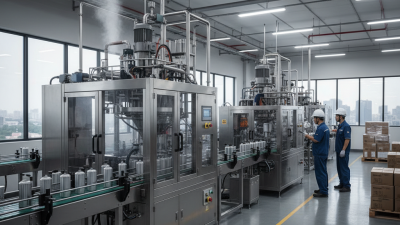
Aerosol Filling Machinery plays a pivotal role in the manufacturing sector, particularly in the aerosol products market. By 2026, the global aerosol market is projected to reach approximately $104 billion, with a compound annual growth rate of over 4%. This growth reflects the rising demand for efficient filling solutions in industries such as personal care, household products, and pharmaceuticals.
China stands out as a major player, supplying high-quality aerosol filling machinery to meet this demand. Recent reports indicate that over 60% of the world’s aerosol products are now packaged using machinery from China. Investing in reliable aerosol filling machinery can substantially enhance production efficiency and quality control.
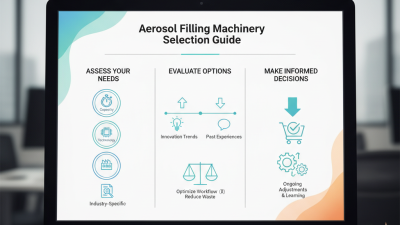
However, selecting the right machinery isn't always straightforward. Companies often face challenges related to compatibility, scalability, and maintenance. It's crucial to rethink strategies and evaluate potential pitfalls in machinery selection. A closer examination of the available options is necessary to ensure that investments yield significant returns in this competitive market.
The Evolution of Aerosol Filling Machinery in China: A Historical Overview
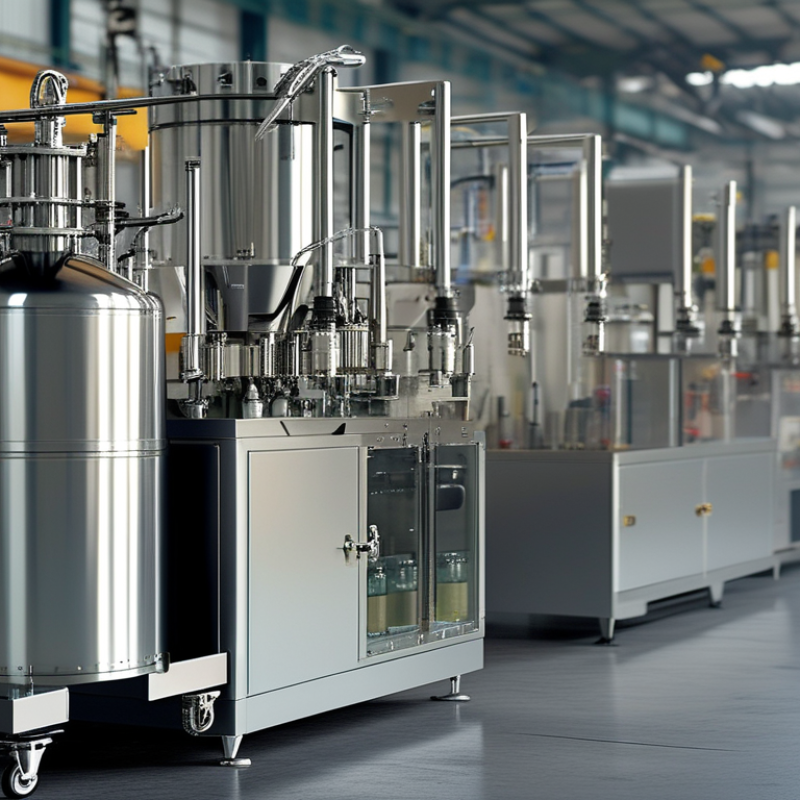
The evolution of aerosol filling machinery in China has seen remarkable advancements over the past few decades. Initially, the industry relied on basic manual processes, which limited production speed and efficiency. According to a 2020 industry report, the market for aerosol machinery is forecasted to reach $1.5 billion by 2025, driven by increased demand in personal care products and household chemicals. Improved technology has shifted the focus towards automated systems, enhancing consistency and reducing labor costs.
Tips: Automation can significantly enhance production efficiency. Investing in modern machinery may seem costly upfront but leads to long-term savings.
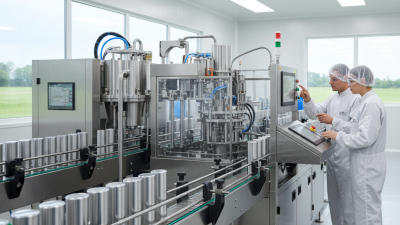
Over time, China's aerosol filling machinery has also become more sophisticated. Current machines often feature integrated control systems for quality assurance. These advancements are crucial as consumer safety standards become more stringent. An industry analysis highlighted that 45% of manufacturers are now incorporating smart technologies for real-time monitoring. However, many traditional manufacturers still hesitate to adopt these innovations, showing a gap in technology trust.
Tips: Regularly evaluate the machinery to ensure compliance with evolving regulations. Staying informed can save time and costly fines.
Key Components of Aerosol Filling Equipment: Insights and Specifications
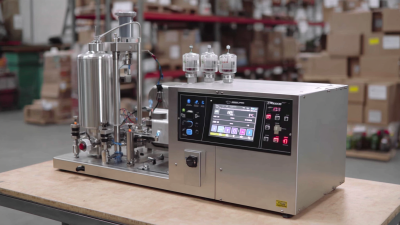
When it comes to aerosol filling machinery, understanding key components is essential. These components directly influence performance, safety, and efficiency. Typically, a filling machine will include a filling head, pressure regulator, and a control panel. The filling head determines how the product flows into the canister. Precision is vital here, as inconsistencies can lead to product waste and customer dissatisfaction.
A pressure regulator plays a critical role. It ensures the right amount of pressure is maintained during the filling process. Too much pressure can cause leaks and accidents. Too little pressure may result in underfilled products. Therefore, investing in a reliable regulator is crucial to uphold quality standards.
**Tips:** Make sure to conduct routine maintenance on your equipment. This includes checking seals and calibrating machines for accuracy. It's also helpful to train staff on proper operation techniques, ensuring they understand the machinery's nuances. A well-informed team can catch potential issues before they escalate. Recognizing that errors can occur, reflecting on each batch's performance can greatly enhance future production runs. Always aim for continuous improvement in your processes.
The Best Aerosol Filling Machinery in China Explained - Key Components of Aerosol Filling Equipment: Insights and Specifications
| Component |
Function |
Material Used |
Specifications |
| Filling Valve |
Controls the flow of product into aerosol containers. |
Stainless Steel |
Capacity: Up to 500ml/min |
| Aerosol Can Seamer |
Seals the filled aerosol cans to prevent leakage. |
Aluminum Alloy |
Speed: 30 cans/min |
| Pressurization System |
Maintains necessary pressure for aerosol filling. |
Carbon Steel |
Pressure Range: 2–8 bar |
| Conveyor System |
Facilitates movement of cans during the filling process. |
Plastic & Stainless Steel |
Length: 10m |
| Control Panel |
Operates and monitors the entire filling system. |
Polycarbonate |
Voltage: 220V, Current: 10A |
Current Trends in Aerosol Filling Technology: Efficiency and Sustainability
Current trends in aerosol filling technology focus on efficiency and sustainability. Manufacturers are increasingly adopting advanced automation systems. These systems streamline the filling process, reducing waste and boosting productivity.
Automation can cut labor costs while enhancing precision. However, some facilities may resist this change. They might worry about the initial investment.
Sustainability is another vital aspect. Companies are developing eco-friendly materials for aerosol containers. Recyclable, biodegradable options gain traction in the market. Brands aim to minimize their carbon footprint, yet implementing these materials poses challenges. Transitioning to greener solutions requires time and investment. Many businesses still rely on traditional methods.
Moreover, quality control remains crucial. As technology evolves, companies must ensure products meet safety standards. Regular testing and maintenance of machinery can help avoid costly recalls. Some manufacturers struggle with this balance. They want to innovate but need to maintain reliability. It’s a continuous journey, where efficiency and sustainability must coexist.
Market Leaders in China’s Aerosol Filling Machinery Industry: A Comparative Study
In the competitive landscape of aerosol filling machinery in China, several companies stand out as market leaders. These organizations have invested significantly in technology and innovation. They continually refine their processes to enhance efficiency and scalability. This dedication positions them as formidable players in the global market.
One notable aspect is the diversity of machinery available. They range from small-scale units for startups to larger systems for established firms. Each type comes with unique features tailored to specific production needs. However, there is room for improvement in user training and support. Some companies struggle to adequately educate their clients about maintenance and operation, leading to unnecessary downtimes.
Another critical issue is the environmental impact of aerosol operations. While many leaders promote greener solutions, the industry still faces challenges in sustainability. Striking a balance between efficiency and eco-friendliness remains a work in progress. The growth of this industry brings both opportunities and responsibilities. Companies must navigate these complexities while maintaining high standards of quality and reliability.
Future Innovations in Aerosol Filling Solutions: What to Expect by 2030
As we approach 2030, the aerosol filling industry is set to undergo significant changes. Innovations in technology will drive efficiency and reduce waste in manufacturing processes. Smart machines equipped with AI can improve precision and speed in filling operations. Automated monitoring systems will ensure consistent quality, reducing human error. These advancements promise a more reliable production line.
Another exciting aspect is the focus on sustainability. More companies will seek eco-friendly materials and energy-efficient equipment. Recycling solutions will gain traction, aiming to minimize environmental impact. Companies will face challenges in adopting these new practices. Transitioning to greener technologies often involves high initial costs and the need for employee retraining. However, the long-term benefits can be substantial.
Consumer preferences are also influencing innovations in aerosol filling. Demand for personalized products is on the rise. Brands will explore flexible filling machinery to cater to smaller batch sizes. This could lead to a more dynamic market, but it will require robust planning and execution. The journey to 2030 offers both opportunities and hurdles for aerosol filling manufacturers.
The Best Aerosol Filling Machinery in China Explained
This chart illustrates the projected annual growth rate of aerosol filling machinery in China from 2020 to 2030. The increasing percentages indicate significant expected advancements and innovations in aerosol filling solutions over the years.