How to Choose the Best High Speed Mixer in 2026?
I can write the introduction, but no source article or expert quotation was provided. To avoid inventing an expert or misattributing a quote, please share the expert’s name and a verifiable quotation, or allow an original, unattributed expert-style statement instead.
Understanding What a High-Speed Mixer Is and How It Works
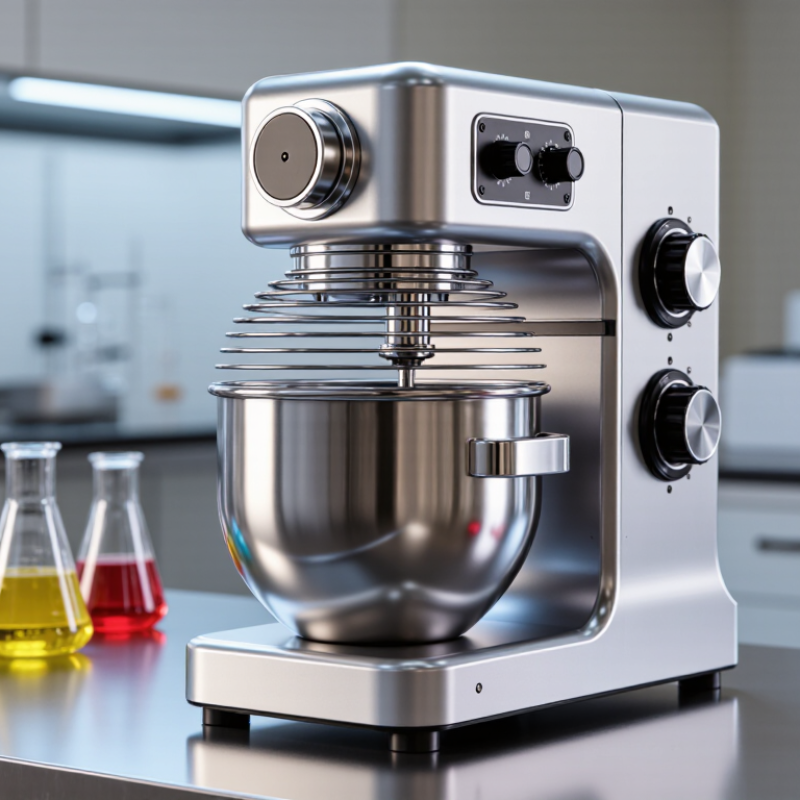
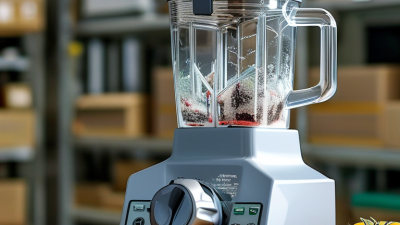
A high-speed mixer uses rapidly rotating blades or a rotor-stator assembly to disperse ingredients throughout a liquid. The rotor pulls material inward and pushes it outward, creating strong circulation and localized shear. This action can break apart soft clumps, distribute powders, and help combine liquids that resist blending. In a clear vessel, you may see a shallow vortex form around the shaft. Watch the flow. A deep vortex can draw in air, which may create foam or leave unwanted bubbles in the finished mixture.
Performance depends on more than rotational speed. Blade design, vessel shape, batch size, and ingredient viscosity all influence how material moves. For example, a thick mixture may turn slowly near the vessel wall even when the area around the rotor looks active. That difference matters. A useful assessment checks the whole batch, not just the surface. Listen for changes in motor strain, observe whether powder remains on the bottom, and inspect the texture after mixing. These clues are helpful, though they do not replace measurements suited to the process. A high-speed mixer is not automatically the best tool for every formula; sometimes it adds heat or air when gentler mixing would work better.
Defining Your Mixing Requirements and Operating Conditions
A high-speed mixer should be chosen around the material and process, not just its advertised motor power. Record the batch volume, starting viscosity, solids content, and desired finish. A thin liquid needs different circulation than a paste that clings to a spatula. Note whether ingredients arrive cold, dusty, or prone to forming lumps. Small details matter.
Define the operating window before requesting equipment recommendations. Specify the target temperature, mixing time, production rate, and how often the vessel runs. High-speed shear can warm a batch, so check whether heat-sensitive ingredients need cooling or shorter mixing intervals. During a trial, observe the surface vortex, powder drawdown, and any material left on the vessel wall. A smooth-looking surface can hide unmixed pockets. Measure the batch, not just the sound.
Also consider the room and the people using the mixer. Check available power, vessel dimensions, clearance for lifting, noise limits, and cleaning access. Ask how blades or other wetted parts handle your ingredients, and confirm that seals and materials suit the process. If possible, test a representative batch at realistic scale; a small sample may behave differently. I would leave some margin in the specification, though too much capacity can make small batches harder to mix. Revisit your assumptions after the first production run.
How to use this chart: Treat these ranges as initial screening guides, not guaranteed operating setpoints. The right mixer also depends on batch size, viscosity, desired result, temperature limits, and rotor geometry. Confirm performance with process trials.
Comparing Mixer Types, Speeds, Capacity, and Materials
A high-speed mixer should match the material, batch size, and required finish—not simply the highest RPM. A rotor-stator head suits emulsions and fine dispersions; a high-speed disperser handles powders and viscous liquids; a planetary mixer is better for heavier pastes. Speed alone misleads. Compare tip speed, which depends on both blade diameter and RPM, and check whether speed remains stable under load. The U.S. Department of Energy’s Improving Motor and Drive System Performance sourcebook estimates that motor-driven systems use about 54% of U.S. manufacturing electricity. That makes motor efficiency and speed control practical selection criteria, not minor extras.
Capacity needs equal care. Compare the vessel’s working volume, not just its stated maximum: a small batch in an oversized tank may form a shallow vortex instead of circulating evenly. Ask for test results using a similar viscosity and batch size. For materials, 304 stainless steel suits many general-duty applications, while 316 offers better resistance to some corrosive ingredients. Confirm the material grade and surface finish with the equipment supplier; “stainless” alone is not a specification.
Tips: Bring a sample, note its temperature and viscosity, and request a timed trial at your target batch size. Check for dead zones on the vessel wall. A neat datasheet cannot replace a real test.
Evaluating Safety Features, Controls, and Maintenance Needs
A high-speed mixer should protect operators without slowing routine work. Check for a fixed guard, a lid interlock, and an accessible emergency stop. Confirm the control panel shows speed clearly and prevents unintended restart after a power interruption. The U.S. Bureau of Labor Statistics reported 2.6 million nonfatal workplace injuries and illnesses in private industry in 2023. That broad figure is not mixer-specific, but it reinforces the value of practical safeguards. A touchscreen may look modern yet be awkward with wet gloves. Test it in real working conditions.
Maintenance matters just as much. Look for smooth, accessible surfaces and removable parts that can be cleaned without special tools. Ask how often seals, bearings, and blades need inspection, and whether replacement parts are readily available. Review the manual for safe cleaning steps, lubrication intervals, and signs of wear. A mixer that is difficult to maintain can invite skipped checks. That risk is easy to underestimate.
Tips: Before buying, run a sample batch and test the stop control, lid lock, and speed adjustment. Ask the supplier for a written maintenance schedule. Note any steps that feel unclear; small doubts deserve a closer look.
Matching Mixer Performance to Your Budget and Application
Choosing a high-speed mixer in 2026 starts with the material, not the advertised rpm. A thin coating may need fast circulation, while a thick paste needs enough torque to avoid stalling. For pigments or powders, check whether the mixer can create a fine, even dispersion without excessive heat. Note batch size, viscosity, vessel shape, and cleaning time before comparing prices. Small details matter.
For turbulent mixing, power can scale roughly with impeller speed cubed and diameter to the fifth power, so a modest size change can affect energy demand. The U.S. Department of Energy’s 2014 United States Industrial Electric Motor Systems Market Opportunities Assessment estimated that motor-driven systems used about 68% of manufacturing electricity. That figure is not mixer-specific, but it makes lifetime energy worth checking alongside purchase cost. Request a trial using your actual material and vessel. Measure batch time, temperature rise, and dispersion quality. A cheaper unit can be the sensible choice for occasional, low-viscosity batches. I would still question any comparison based on horsepower alone. Real processes are messier than brochures suggest.