What is a Mixing Tank Stainless Steel and Its Benefits?
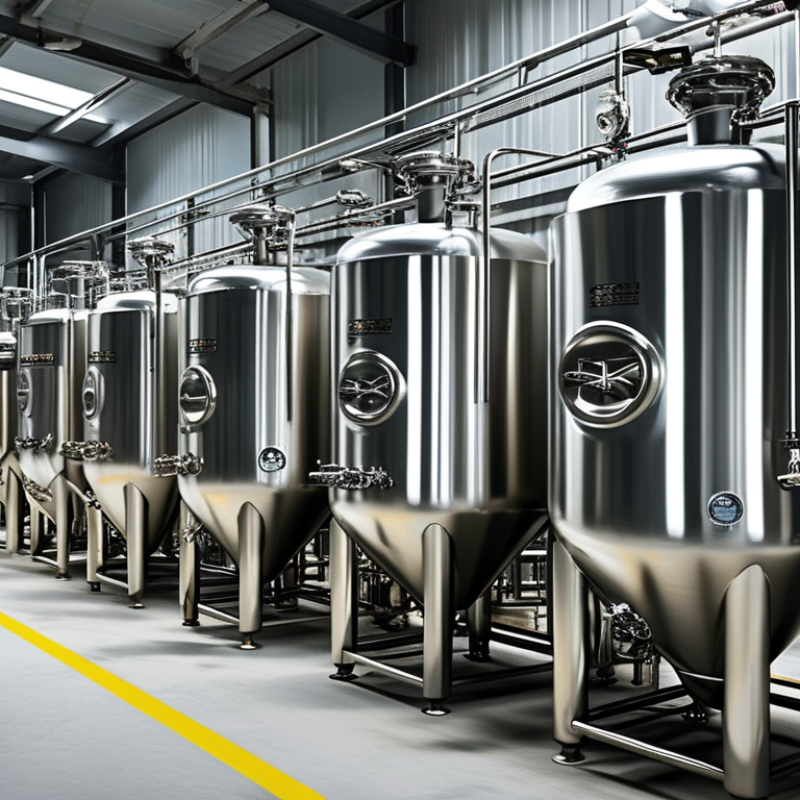
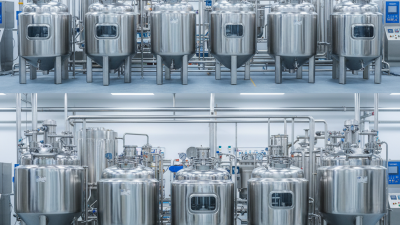
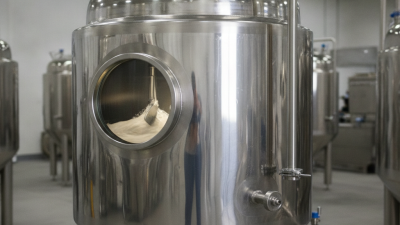
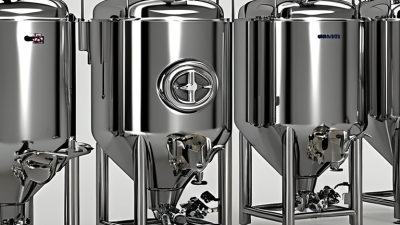
Mixing Tanks Stainless Steel are essential in various industries. These tanks provide a reliable solution for blending liquids and other materials effectively. They resist corrosion, ensuring longevity and better performance over time.
The use of stainless steel in mixing tanks enhances their durability. Unlike other materials, stainless steel maintains structural integrity even under high temperatures. This stability is critical in food processing and chemical production environments where safety and quality are paramount.
However, not all mixing tanks are created equal. Factors such as tank size, design, and mixing technology can significantly impact performance. It's crucial to select the right mixing tank for specific applications. Taking the time to evaluate options can lead to better results and avoid costly mistakes.
What is a Mixing Tank Made of Stainless Steel?
Mixing tanks made of stainless steel are essential in many industries. They provide a reliable solution for blending and processing various substances. Stainless steel is favored for its durability and resistance to corrosion. According to a report by the International Stainless Steel Forum, the global demand for stainless steel is projected to reach over 50 million metric tons by 2025. This indicates a strong trend toward using stainless steel in food and beverage applications.
The design of mixing tanks also plays a vital role in their effectiveness. Tanks often feature specific shapes and sizes to enhance mixing efficiency. Additionally, they may come with agitators that are engineered for different viscosities. A study published in the Journal of Fluid Mechanics noted that mixing efficiency can improve significantly with proper tank design and agitation. However, achieving optimal mixing sometimes requires trial and error, which can be resource-intensive.
Stainless steel mixing tanks also offer easy maintenance. Their smooth surfaces prevent contaminants from adhering, making cleaning simpler. Yet, not all stainless steel is created equal. The choice of alloy can impact the tank's lifespan and performance. According to the American Society of Mechanical Engineers, different grades of stainless steel must be selected carefully based on the specific application. This necessitates an understanding of material properties, which may not always be straightforward.
Key Features of Stainless Steel Mixing Tanks in Various Industries
Stainless steel mixing tanks are essential in many industries, offering durability and resistance to corrosion. They are widely used in food processing, pharmaceuticals, and chemical manufacturing. According to a recent industry report, over 40% of manufacturers have opted for stainless steel due to its hygienic properties and ease of cleaning.
Stainless steel tanks often feature seamless designs, minimizing contamination risk. This is crucial in food production, where hygiene is paramount. The tanks' ability to withstand high temperatures and pressures makes them perfect for various applications. In addition, they require less maintenance compared to tanks made from other materials. A study found that equipment downtime can reduce by up to 15% when using stainless steel.
When selecting a mixing tank, consider thermal conductivity, which affects mixing efficiency. Ensure proper insulation to maintain temperature stability. Relying on stainless steel also means being aware of potential scratches or dents that may compromise integrity. Regular inspections can help mitigate this risk.
Advantages of Using Stainless Steel in Mixing Tank Design
Stainless steel mixing tanks are crucial in various industries. They are known for their durability and resistance to corrosion. Using stainless steel in mixing tank design offers multiple advantages. For instance, according to a report by the Stainless Steel Industry Association, the material can endure high temperatures and pressures, making it ideal for food, pharmaceutical, and chemical applications.
Stainless steel is non-reactive, ensuring that product integrity is maintained. This is essential for industries that require strict hygiene standards. A study by the American Society for Testing and Materials found that stainless steel tanks significantly reduce the risk of contamination compared to other materials. Furthermore, these tanks require less maintenance, leading to lower operational costs in the long run.
When selecting a mixing tank, consider the specific application requirements. The tank’s size and configuration can affect mixing efficiency. Thoughtful choices can enhance production output. Also, remember that while stainless steel has many benefits, it can be more expensive than other materials upfront. Balancing cost with long-term benefits is a crucial consideration. The longevity of stainless steel can offset initial expenses, yielding savings over time.
Applications of Stainless Steel Mixing Tanks in Food and Beverage
Stainless steel mixing tanks play a crucial role in the food and beverage industry. These tanks are designed for efficient blending, heating, and storage of various food products. According to the Food and Beverage Manufacturing Report 2022, over 70% of food producers prefer stainless steel due to its durability and resistance to corrosion. This ensures that products remain safe and uncontaminated.
Another significant advantage of stainless steel mixing tanks is their hygienic properties. They can be cleaned easily, reducing the risk of microbial growth. The Centers for Disease Control and Prevention states that proper sanitation can lower the incidence of foodborne illnesses by nearly 40%. However, some companies still struggle with implementing effective cleaning protocols, leading to contamination risks that challenge operational reliability.
Additionally, stainless steel tanks adapt well to different processes, from fermentation to emulsification. This versatility allows manufacturers to optimize production based on current demands. However, maintaining the ideal temperature and pressure in these tanks can be challenging. If not monitored, it can compromise product quality. Industry experts recommend investing in automation technology to better manage these parameters. Embracing such innovations could lead to improved efficiency and product consistency in the long run.
Industry Standards and Regulations for Stainless Steel Mixing Tanks
Stainless steel mixing tanks are essential in many industries, particularly food and beverage, pharmaceuticals, and chemicals. Their construction meets industry standards for hygiene and safety. Regulations often dictate the grade of stainless steel used, ensuring durability and preventing contamination. These tanks must be easy to clean and resistant to corrosion, which aligns with strict health guidelines.
For those utilizing mixing tanks, ensuring compliance with local regulations is vital. Each country may have different standards. It’s important to consult up-to-date documents and certifications. Make sure your equipment adheres to the necessary safety protocols. This can prevent costly fines or shutdowns.
Always inspect your mixing tank regularly. Look for signs of wear and corrosion. Addressing these issues early can enhance the longevity of the tank. Additionally, consider staff training on proper usage. Education is key to maintaining high standards of safety and efficiency. Regularly review procedures; remember – there’s always room for improvement.
Benefits of Stainless Steel Mixing Tanks