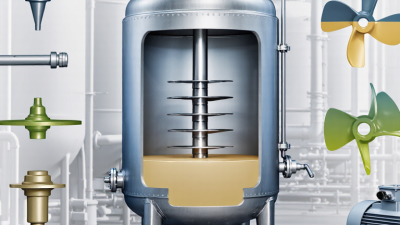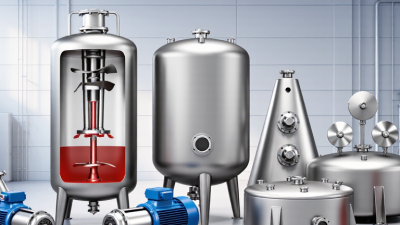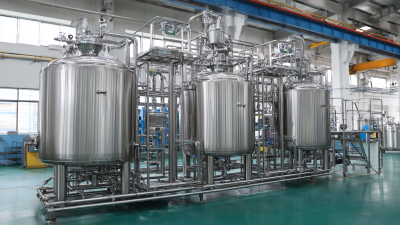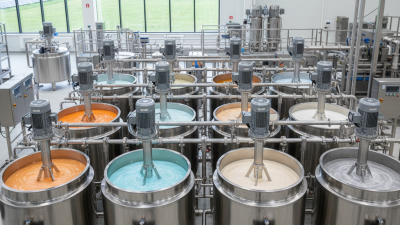

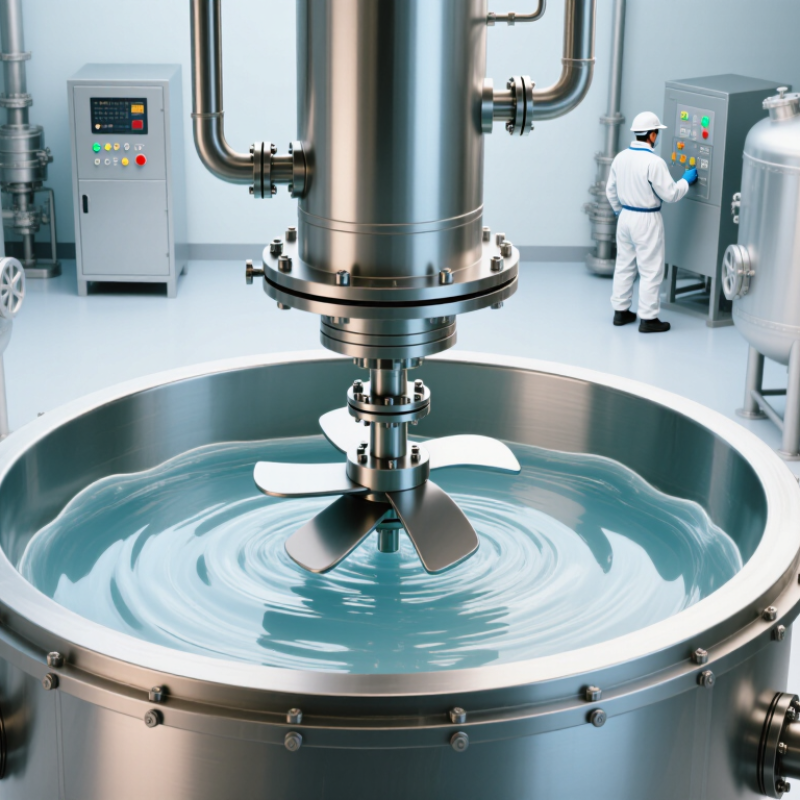
Choosing the right agitator mixer tank manufacturer requires more than comparing catalog prices. Start with your process. Identify viscosity, batch volume, operating temperature, pressure, and required mixing time. A manufacturer with relevant application experience can recommend the correct impeller, motor size, and tank geometry.
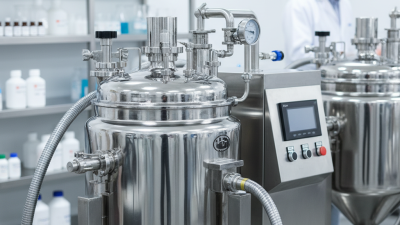
Ask for evidence, not promises. Request drawings, material certificates, weld inspection records, and performance data from comparable projects. Stainless steel grade matters, especially when cleaning chemicals or temperature changes are involved. Check whether the tank supports clean-in-place systems, sampling ports, baffles, and accurate level measurement. Small details often prevent expensive modifications later.
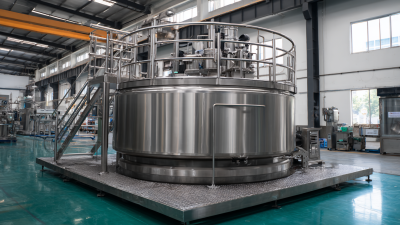
Review the manufacturer’s engineering process and after-sales support. Can its team perform mixing tests before fabrication? Does it provide installation guidance, spare parts, and maintenance training? A factory visit may reveal practical strengths, such as organized welding areas and clear inspection procedures. It may also expose weaknesses. That is useful.
Do not select equipment from specifications alone. Ask how the manufacturer handles scale-up when laboratory results differ from production conditions. Discuss delivery risks, documentation quality, and responsibility for commissioning. A cheaper quotation can become costly if the motor is undersized or the shaft vibrates. I would also leave room for honest uncertainty; real materials rarely behave exactly like test fluids. Reliable suppliers explain those limits instead of hiding them.