Leave Your Message

Top Chemical Mixture Machine Manufacturers Worldwide?

The search for the Top Chemical Mixture Machine Manufacturers Worldwide? requires more than comparing catalogue prices. Chemical producers need stable blending, accurate dosing, cleanable surfaces, and reliable operation under pressure. A poorly selected machine can create dead zones, inconsistent viscosity, or costly batch rework.

Industry reports show sustained demand. Grand View Research valued the global industrial agitators market at approximately USD 2.4 billion in 2023. It also forecasts continued growth through 2030, supported by chemicals, pharmaceuticals, food processing, and water treatment. Fortune Business Insights similarly identifies automation, hygienic design, and energy efficiency as major equipment trends. These figures describe broad industrial mixing markets, not every Chemical Mixture Machine application. That distinction matters.

James Y. Oldshue, a respected mixing technology authority, wrote, “Mixing is the heart of the chemical process industries.” His statement remains practical today. Manufacturers must prove performance through impeller design, laboratory testing, scale-up data, and documented quality systems. Buyers should also examine motor efficiency, seal construction, control integration, maintenance access, and after-sales support. Stainless steel may look impressive, but material compatibility decides long-term reliability.

No ranking is flawless. Application conditions differ widely. A supplier leading high-viscosity adhesive production may not suit corrosive liquid blending. This overview therefore considers engineering capability, manufacturing experience, certification practices, global service coverage, and customer evidence. Some published market estimates also use different definitions, which can distort comparisons. Readers should verify technical claims against plant trials, reference projects, and independent documentation before purchasing.
Top Chemical Mixture Machine Manufacturers Worldwide?

Chemical Mixture Machines: Definition, Types, and Industrial Functions

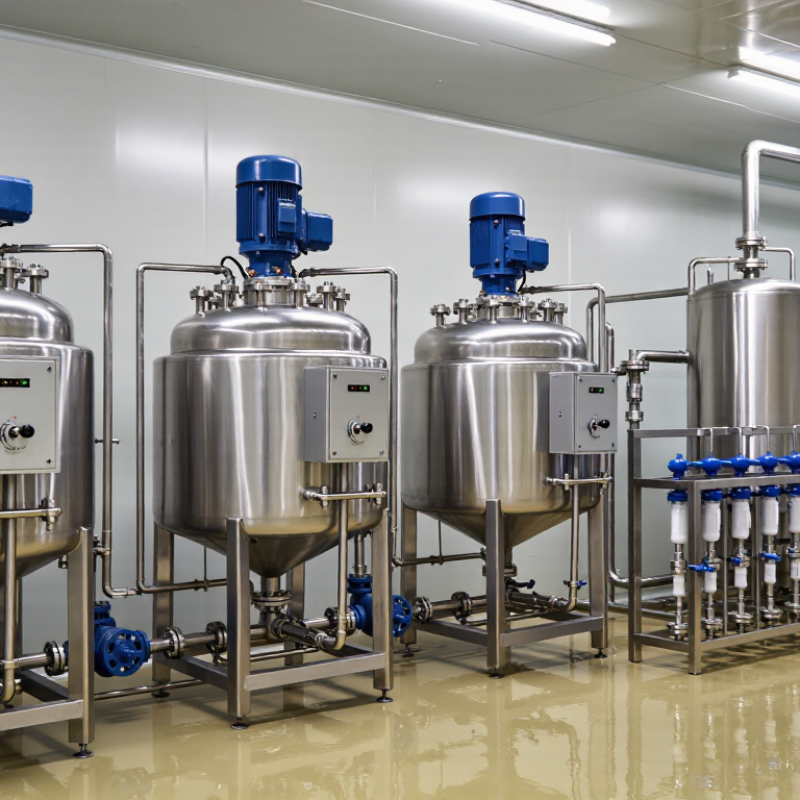
Chemical mixture machines are industrial systems that combine liquids, powders, gases, or semi-solid materials. Their purpose is to create a uniform product with controlled texture, concentration, and temperature. In practical production, this means fewer unmixed pockets inside a tank. Consistency matters.

Common types include agitator tanks, high-shear mixers, ribbon blenders, planetary mixers, and static mixers. Agitator tanks suit liquid blending and gentle suspension. High-shear units break down particles and reduce droplet size.

Ribbon blenders handle dry powders, while planetary mixers manage thick compounds. Static mixers use fixed internal elements and require no rotating shaft.

Each machine serves a different industrial function. Chemical plants use them for dilution, dispersion, neutralization, coating preparation, and controlled reactions. Food, water-treatment, construction, and pharmaceutical facilities also depend on accurate mixing. Operators should check viscosity, density, batch volume, temperature, and shear sensitivity before choosing equipment. A powerful motor is not automatically the best solution.

From field inspections, mixing performance often depends on impeller position and cleaning access. Small design details can influence production more than advertised capacity. The boundary between machine types is not always neat. A system may need two mixing stages. Testing should measure sample uniformity, energy use, noise, and maintenance time. One overlooked issue is operator training. Even reliable equipment can produce uneven batches when settings are poorly recorded or changed without review.

Key Technologies Used in Modern Chemical Mixing Equipment

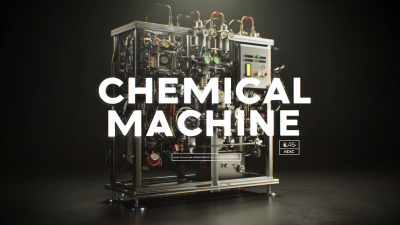
Modern chemical mixing equipment is built around controlled energy, not simple agitation. In field evaluations, the impeller choice often determines whether powders disperse evenly or form stubborn islands. Axial-flow impellers move large volumes gently, while high-shear rotor-stator heads break droplets and agglomerates. The difference is visible in sampling jars. A stable sample shows consistent color, texture, and viscosity. Small detail, big consequence.

Vacuum mixing removes trapped air and lowers boiling temperatures during heat-sensitive processing. Jacketed vessels transfer heat through the wall, while embedded sensors track temperature, pressure, torque, and viscosity. Automated controls can adjust speed when the batch thickens. Inline static mixers add turbulence without moving parts and suit continuous production. Yet sensor readings need calibration. A perfect dashboard can still describe a poorly positioned probe.

Modern machines also use load cells for accurate dosing and variable-frequency drives for smoother startup. Sealed shafts, suitable gaskets, and cleanable surfaces reduce contamination risks. I prefer trials with the actual formulation, because laboratory behavior can change at production scale. One overlooked issue is dead space near valves or corners. It can hold residue between batches. Equipment selection should match chemistry, batch size, cleaning method, and operator skill. More automation is not always better. Simple controls may be safer when maintenance teams lack training.

Leading Chemical Mixture Machine Manufacturers Worldwide

Leading Chemical Mixture Machine Manufacturers Worldwide

Leading chemical mixture machine manufacturers worldwide are competing through precision, energy efficiency, and adaptable equipment design. According to MarketsandMarkets, the global industrial mixers market was valued at approximately USD 2.8 billion in 2023 and is projected to expand steadily through 2028. This growth reflects demand from chemical processing, coatings, water treatment, and specialty materials production.

Experienced manufacturers usually provide customized agitators, high-shear mixers, ribbon blenders, and vacuum systems. Their equipment must manage viscosity, temperature, corrosion, and batch consistency. In practical plant evaluations, shaft alignment, seal reliability, and cleaning access often matter more than polished brochures. Small details matter. A poorly positioned impeller can create dead zones, increasing processing time and material waste.

Grand View Research identifies automation and process control as important trends in industrial mixing equipment. Leading suppliers now integrate variable-frequency drives, torque monitoring, temperature sensors, and programmable controls. These features help operators maintain repeatable results and reduce unnecessary energy use. However, published performance claims require careful review. Laboratory data may not match full-scale production, especially with abrasive or highly viscous materials. Buyers should request verified test results, documented safety certifications, maintenance records, and references from comparable facilities. The strongest global manufacturers combine engineering support with transparent limitations, though not every supplier explains those limitations clearly.

Top Chemical Mixture Machine Manufacturers Worldwide

Representative working capacities of widely used chemical mixing machine categories

The chart compares typical commercial working-volume ranges by machine category. Actual capacity depends on material viscosity, density, batch requirements, operating pressure, and equipment configuration. These values are representative engineering figures rather than company-specific sales or market-share data.

How to Compare Manufacturers, Machines, and Customization Options

Choosing among top chemical mixture machine manufacturers worldwide requires more than comparing prices. Start with the process: liquid viscosity, powder loading, batch size, temperature, and required mixing time. A reliable manufacturer should explain why a specific impeller, vessel shape, or speed range fits your material. Ask for test data, not only polished brochures. Factory experience matters when handling difficult materials, yet past success does not guarantee identical results for your formula.

Compare machines by construction quality, control accuracy, cleaning access, and maintenance requirements. Check the contact surfaces, seal design, motor protection, and emergency controls. Ask whether the manufacturer can provide installation guidance, operator training, spare parts, and documented quality checks. Customization may include jacketed tanks, vacuum capability, load cells, or automated dosing. However, every extra feature can increase cost and maintenance. A technically impressive machine may still be unsuitable for a small production team.

Tips: Request a sample trial using your actual ingredients. Record mixing time, temperature changes, power consumption, and cleaning effort. Review drawings before production begins. Confirm delivery milestones in writing. Speak with recent customers when possible. Be careful with vague performance promises. A perfect comparison rarely exists. Leave room for revision, because early assumptions about viscosity or batch behavior may prove wrong during testing.

Safety, Efficiency, and Future Trends in Chemical Mixing Systems

Top Chemical Mixture Machine Manufacturers Worldwide?

Safety now defines the value of chemical mixing systems. A reliable machine should combine guarded shafts, sealed lids, emergency stops, and automatic overload protection. Load cells prevent overfilling, while temperature sensors detect dangerous heat before reactions accelerate. The U.S. Occupational Safety and Health Administration estimates that Process Safety Management protects about three million workers across 25,000 workplaces. That figure shows why safety controls cannot remain optional. Operators also need clear cleaning procedures, documented inspections, and practical training beside the mixer.

Efficiency depends on more than motor power. Variable-speed drives can match agitation intensity to viscosity, reducing wasted electricity and product damage. In-line sensors can track temperature, torque, and consistency during each batch. Useful data, not decoration. Deloitte’s 2024 Smart Manufacturing and Operations Survey reported that 92% of manufacturers view smart manufacturing as a major competitiveness driver. Chemical facilities are responding with remote monitoring, predictive maintenance, and digital batch records. However, automation can introduce new risks when sensor data is poorly calibrated or ignored.

Future systems will likely use machine learning to adjust mixing profiles in real time. Digital twins may test recipes before physical production begins. This could reduce trial batches, but the model may still misunderstand unusual raw materials. Human review remains necessary. Some plants still depend on operator experience and paper logs. That is inefficient, yet familiar. The strongest equipment manufacturers will combine safer mechanical design, measurable energy performance, cybersecurity controls, and service training rather than promising automation alone.

Top Chemical Mixture Machine Manufacturers Worldwide? - Safety, Efficiency, and Future Trends in Chemical Mixing Systems

Manufacturer-neutral comparison of chemical mixing system technologies, performance criteria, safety requirements, and future development priorities.

Evaluation Dimension System Type or Feature Relevant Technical Data Primary Benefit Selection Consideration
Mixing Application Low-viscosity liquid blending Propeller or turbine impellers; commonly selected for low-to-moderate viscosity fluids and rapid bulk circulation. Shorter blend times and relatively low mechanical complexity. Confirm solids content, density difference, gas entrainment risk, and required homogeneity.
Mixing Application High-viscosity or shear-sensitive products Anchor, helical-ribbon, or close-clearance agitators; wall-scraping designs may improve heat transfer. Improved movement of viscous materials and reduced stagnant zones. Check torque, vessel geometry, jacket heat-transfer needs, and maximum allowable shear.
Mixing Application Powder dispersion and emulsification Rotor-stator or high-shear mixers generate localized shear and are often combined with an anchor or sweep agitator. Faster wetting, particle deagglomeration, and smaller dispersed droplets. Evaluate temperature rise, shear sensitivity, seal compatibility, and cleaning requirements.
Continuous Processing Static or in-line mixer Uses fixed internal elements and pressure-driven flow; there is no rotating shaft inside the mixing section. Compact footprint, continuous operation, and low rotating-equipment maintenance. Size according to flow rate, viscosity, pressure drop, residence time, and fouling tendency.
Scale-Up Method Power-per-volume and tip-speed control Power density is calculated as P/V; impeller tip speed is calculated as πDN, where D is diameter and N is rotational speed. Provides a repeatable engineering basis for transferring laboratory results to production scale. Do not scale by vessel volume alone; verify mixing time, Reynolds number, heat transfer, and shear.
Explosion Protection Hazardous-area compliant construction European installations may use ATEX equipment requirements and IEC 60079 practices; North American installations commonly use hazardous-location classifications under NFPA 70. Reduces ignition risk where flammable vapors, gases, or combustible dust may be present. Define the hazardous area classification before specifying motors, instruments, seals, and control panels.
Mechanical Safety Guarding, interlocks, and emergency stop systems Access doors and covers should be interlocked where appropriate; rotating equipment requires physical guarding and lockout/tagout procedures. Protects operators from rotating shafts, impellers, unexpected startup, and stored energy. Review machine risk assessment, maintenance access, isolation points, and operator training.
Energy Efficiency Variable-frequency drive and optimized impeller design Variable-speed control allows the motor speed to match process demand; affinity-law relationships indicate that power changes strongly with rotational speed. Better process control and potential reduction in unnecessary energy consumption. Compare specific energy consumption per batch or per cubic metre, not motor rating alone.
Materials and Corrosion Corrosion-resistant wetted parts Material selection depends on chemical concentration, temperature, chloride exposure, abrasion, and cleaning chemistry; stainless steels, nickel alloys, plastics, and linings are used in different duties. Longer service life and lower contamination risk. Use corrosion data and compatibility testing for the complete wetted assembly, including seals and elastomers.
Automation and Quality Sensors and recipe-based control Common process measurements include temperature, pressure, pH, conductivity, level, torque, and motor load. Improves batch repeatability, traceability, and early detection of abnormal conditions. Define calibration intervals, data-retention requirements, alarm limits, and cybersecurity controls.
Cleaning and Maintenance Clean-in-place capability and condition monitoring CIP design depends on spray coverage, flow velocity, temperature, chemical concentration, and contact time; vibration and motor-load trends support predictive maintenance. Reduced downtime, safer maintenance, and more consistent product changeovers. Validate cleaning performance for the actual product residue and vessel configuration.
Future Trend Digital twins and predictive analytics Process models can combine equipment data, operating recipes, and historical trends to estimate performance and maintenance needs. Supports faster troubleshooting, virtual commissioning, and data-driven optimization. Prioritize reliable data collection and model validation before implementing advanced analytics.
Future Trend Modular and continuous manufacturing Skid-mounted modules and continuous mixers can reduce installation time and support flexible production capacity. Greater scalability, reduced footprint, and potentially lower hold-up volume. Assess residence-time distribution, process control response, cleaning strategy, and changeover requirements.
Supplier Evaluation Engineering, testing, and lifecycle support A robust evaluation should include process testing, documented calculations, factory acceptance testing, spare-parts availability, and service response capability. Reduces commissioning risk and improves total cost of ownership. Compare validated process results and lifecycle support rather than purchase price alone.
Reference framework: The technical principles summarized above are aligned with commonly used engineering practices and safety frameworks, including ATEX equipment requirements, IEC 60079 hazardous-area practices, NFPA 70 hazardous-location provisions, machine guarding and lockout/tagout principles, and standard mixing scale-up methods based on power density, tip speed, Reynolds number, and residence time.