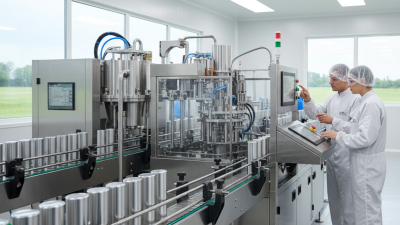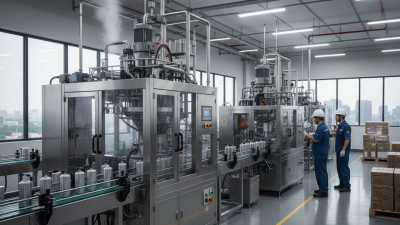
Choosing an Aerosol Filling Machine in 2026 requires more than comparing prices or advertised output. In practice, the right system must match the product formula, container size, valve type, and planned production rhythm. A line filling 50-milliliter aluminum cans behaves differently from one handling larger steel containers. Viscosity, foaming, propellant compatibility, and temperature control can change performance quickly. Small details matter. A loose crimp can cause leakage, while inconsistent dosing creates waste and customer complaints. This guide introduces the technical and commercial questions experienced teams should ask before purchasing. It focuses on safe, compliant equipment for legitimate consumer, medical, personal-care, and household applications.
Reliable selection begins with evidence. Ask suppliers for factory test records, dose-accuracy data, cleaning procedures, maintenance intervals, and references from comparable plants. Confirm that guards, sensors, pressure-rated components, and emergency stops support the required operating environment. Documentation should explain installation, operator training, spare parts, and after-sales response times. Regional standards and site inspections must be reviewed with qualified professionals before approval. A machine may look impressive during a short demonstration. Real production can expose faults. Test representative containers and formulas whenever possible. Our assumptions may still be incomplete. A careful review should compare throughput, changeover time, total ownership cost, and future scalability, not just headline speed. The best decision balances engineering evidence, worker safety, product quality, and dependable service.
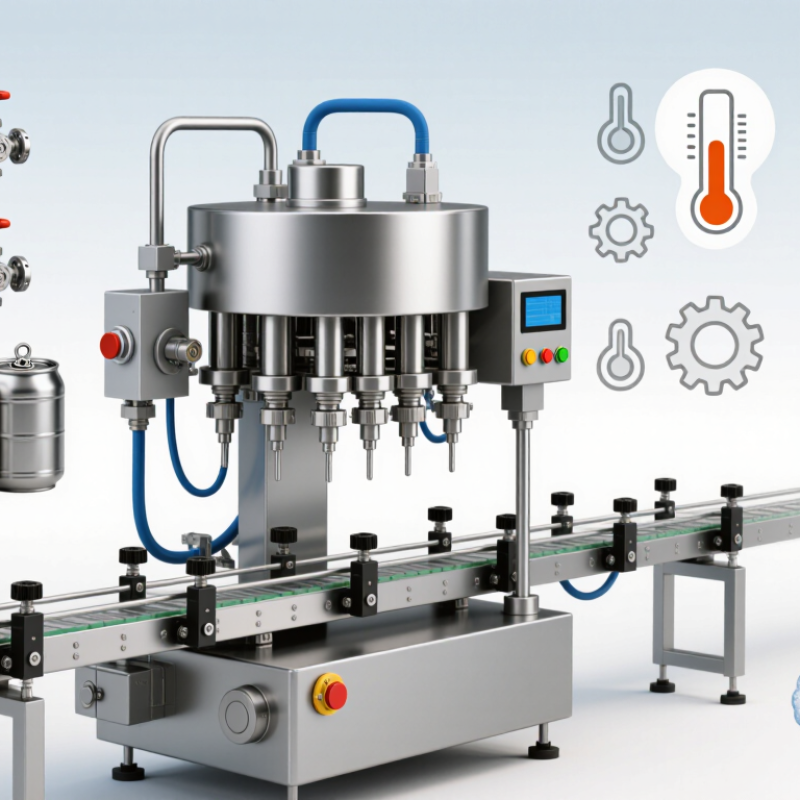
Choosing an aerosol filling machine starts with the product, not the advertised speed. Pressure filling suits many personal-care, household, and medical aerosol products. It uses a crimping station, vacuum control, propellant charging, and leak testing. Cold filling can support selected formulations, but it demands strict temperature control and compatible materials. Small producers may prefer a semi-automatic single-head machine. High-volume plants usually need rotary equipment with automatic valve placement and continuous quality checks.
FEA market statistics report more than five billion aerosol units filled annually in Europe. That scale makes repeatable dosing essential. A small filling error can create weak spray performance, excess waste, or rejected batches. PMMI’s 2024 packaging trends research also highlights automation, data collection, and flexible changeovers as major manufacturing priorities. Look for servo-controlled dosing, recipe storage, stainless-steel product paths, and accessible cleaning areas. Check the machine’s actual output with your container size, formulation viscosity, and valve design.
Do not trust speed alone. Test it.
A useful factory trial should measure fill-weight variation, crimp depth, leakage, downtime, and changeover minutes. It should also review operator guarding and documented validation procedures. My own preference would be cautious here: a slower machine with stable accuracy can outperform a faster line during difficult production runs. The choice is still imperfect. Formulas change, and yesterday’s ideal configuration may become restrictive next year.
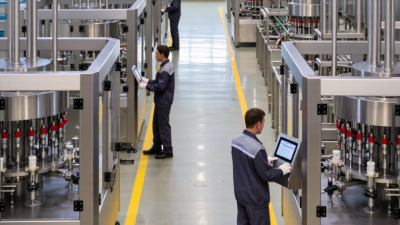
How to Choose an Aerosol Filling Machine in 2026?
Choosing an aerosol filling machine starts with the product, not the machine catalog. Define viscosity, density, foaming behavior, and temperature sensitivity. Liquid formulas may require different pumps and filling speeds. The propellant also affects equipment design, pressure control, and safety requirements. Confirm compatibility through documented testing. Guesswork becomes expensive quickly.
Your container specification matters just as much. Record can diameter, height, valve type, and target fill weight. Check whether the container needs crimping, gassing, leak testing, or coding. Small dimensional differences can affect sealing accuracy. Production requirements complete the picture. Estimate hourly output, batch size, shift length, changeover frequency, and available floor space. Include cleaning access and operator training. A machine that reaches high speed may still waste time during frequent format changes. My experience is that early estimates are often too optimistic. Recheck them with real production data.
Tips: Bring sample formulas, containers, valves, and realistic output targets when evaluating equipment. Ask for test results, maintenance schedules, safety documentation, and calibration records. Verify that the system supports applicable local regulations. Leave room for future products, but do not pay for capacity you cannot use. This balance is difficult. Revisit it before ordering.
How to Choose an Aerosol Filling Machine in 2026?
Comparing filling technology, accuracy, and operating speed requires more than reading a capacity figure. In production, I have seen machines rated for high output struggle with foaming, temperature changes, and inconsistent container dimensions. A useful evaluation begins with the product formula, can size, valve design, and target fill weight.
Pressure filling can deliver strong output for suitable formulations, while time-pressure systems may offer simpler adjustment. Net-weight filling provides closer control when product density changes during a shift. However, accuracy depends on more than the filling method. Load cells, calibrated sensors, stable crimping, and automatic feedback all matter. Ask for documented test results, not only sales estimates. A realistic tolerance should be verified across several batches.
Speed must be measured under working conditions. Include container loading, valve placement, crimping, leak testing, and cleaning time. A machine running 120 cans per minute may produce less usable output after stoppages. Watch a live trial if possible. Check whether operators can adjust recipes without complicated procedures. Data logging also helps identify drift before rejected cans fill a pallet.
Small details matter.
The best choice balances repeatability, maintenance access, and safe operation. It should handle normal variation without constant manual correction. I would also leave room for doubt: laboratory accuracy may not survive a busy afternoon shift. Compare energy use, spare-part availability, training needs, and five-year service records before approving the purchase.
| Filling Technology | Typical Product Application | Filling Principle | Typical Dose Accuracy | Typical Operating Speed | Changeover Flexibility | Key Advantages | Main Limitations | Best-Fit Production Situation |
|---|---|---|---|---|---|---|---|---|
| Piston Liquid Filler | Water-based, alcohol-based, oil-based, and moderately viscous aerosol liquids | A calibrated piston draws product into a cylinder and discharges a measured volume through a filling valve. | Typically ±0.5% to ±1.0% of the target fill, depending on viscosity, temperature, and calibration. | Approximately 30–80 cans per minute per filling head; higher rates require multiple heads. | Good; piston stroke and filling volume can usually be adjusted for different can sizes. | Reliable volumetric control, suitable for a broad range of liquid viscosities, and relatively simple to maintain. | Accuracy can change when product viscosity or temperature varies significantly; seals require routine inspection. | General-purpose aerosol production with medium-to-high batch volumes. |
| Time-Pressure Liquid Filler | Low-viscosity liquids, fragrances, cleaners, coatings, and other free-flowing formulations | Product is forced into the can for a controlled time using regulated pressure. | Typically ±1.0% to ±2.0% of the target fill under stable pressure and temperature conditions. | Approximately 20–60 cans per minute per filling head. | Very good for frequent product and format changes. | Simple product path, fast cleaning, and relatively low mechanical complexity. | Less suitable for high-viscosity products; pressure fluctuations can affect fill consistency. | Small-to-medium batches and plants that prioritize quick changeovers. |
| Net-Weight Filling System | Products requiring strict mass control, including liquefied gases and formulations with variable density | Load cells measure the actual product mass during filling and stop the process at the programmed target weight. | Typically ±0.25% to ±0.75% of the target weight when load cells are correctly calibrated. | Approximately 10–40 cans per minute per filling position, depending on product and target weight. | Good, particularly when target weights change frequently. | Direct mass measurement compensates for density variation and provides strong process traceability. | Usually slower and more expensive than basic volumetric filling; requires stable weighing conditions. | High-value products, regulated applications, and operations where overfill must be minimized. |
| Pressure-Filling System for Liquefied Propellant | Liquefied hydrocarbon, dimethyl ether, and other pressurized propellants used in compatible aerosol products | Propellant is transferred through a sealed circuit using pressure difference or a controlled pump. | Typically ±1.0% to ±2.0% by mass, depending on temperature control, equipment design, and calibration. | Approximately 20–80 cans per minute per filling head. | Moderate; requires compatible valves, hoses, seals, and safety settings for each propellant type. | Suitable for closed transfer, supports continuous production, and reduces direct operator exposure. | Requires explosion-protected electrical equipment, leak monitoring, grounding, ventilation, and strict safety procedures. | Medium-to-high volume lines producing aerosols with liquefied propellants. |
| Compressed-Gas Filling System | Products using nitrogen, carbon dioxide, compressed air, or other non-liquefied gases | Gas is metered into the sealed container using pressure, mass-flow, or calibrated volume control. | Typically ±1.0% to ±3.0% of the target gas charge, depending on pressure and temperature stability. | Approximately 15–50 cans per minute per filling head. | Good when gas type, pressure range, and valve configuration are compatible. | Useful for bag-on-valve and compressed-gas aerosol formats; can provide consistent product dispensing performance. | Gas compressibility and temperature changes can influence measurement; pressure limits must be respected. | Products designed for compressed-gas dispensing or separate product-and-propellant systems. |
| Bag-on-Valve Filling Line | Cosmetics, pharmaceutical products, food products, and formulations that should remain separated from the propellant | Product is filled into an internal bag, after which the propellant is charged between the bag and the can wall. | Product fill is commonly controlled within ±0.5% to ±1.0%; propellant accuracy depends on the selected charging method. | Approximately 20–60 complete units per minute, depending on bag insertion, crimping, and leak-testing steps. | Good, but container, valve, bag, and actuator compatibility must be verified. | Separates the formulation from the propellant, supports clean dispensing, and can reduce formulation oxidation. | More process stages, higher component requirements, and additional inspection or leak-testing needs. | Sensitive formulations, premium products, and applications requiring product purity or broad orientation flexibility. |
| Servo-Controlled Multi-Head Filler | High-volume production with repeatable can formats and multiple filling stages | Servo drives coordinate liquid, propellant, and valve-filling movements using programmable recipes. | Typically ±0.3% to ±0.8% for well-controlled liquid filling applications. | Approximately 60–180 cans per minute for a complete integrated line, depending on the number of heads and process steps. | Good for recipe-based production; mechanical format parts may still be required. | High repeatability, synchronized motion, electronic recipe control, and strong production monitoring capability. | Higher purchase cost, greater controls complexity, and more demanding maintenance requirements. | High-throughput facilities seeking consistent output, reduced manual intervention, and digital production records. |
Note: The performance figures are typical industry ranges rather than guaranteed specifications. Actual accuracy and speed depend on formulation viscosity, density, temperature, can and valve design, target fill weight, number of filling heads, operator skill, calibration frequency, and applicable safety requirements.
Safety should be judged before speed or output. Look for enclosed filling zones, pressure monitoring, emergency stops, and automatic shutdowns. Sensors should detect abnormal pressure, temperature, and container position. Clear alarms matter. Operators must understand them quickly, even during a noisy shift. Ask suppliers for test records, risk assessments, and documented safety functions. Do not accept vague promises.
Compliance requires more than a certificate in a folder. Confirm that the machine supports your product category, facility rules, electrical requirements, and local inspection expectations. Materials touching the formulation should be traceable and suitable for repeated cleaning. Request technical files, calibration records, and change-control procedures. Requirements can differ between regions, so independent verification remains valuable.
Maintenance often decides whether a machine performs well after installation. Choose accessible valves, simple tool changes, and replaceable wear parts. Review cleaning steps with a technician, not only a salesperson. Check service response times, training options, spare-part availability, and software backup procedures. One practical lesson is easy to miss: a highly automated machine may still fail when staff cannot troubleshoot it. I have seen evaluations focus on impressive cycle rates while ignoring difficult access panels. That decision looks expensive later. Leave room for human error. Build inspection points into the daily routine.
Selecting an aerosol filling machine starts with real production numbers, not catalog promises. Measure daily demand, container sizes, product viscosity, and changeover frequency. A machine rated for 40 cans per minute may produce less during cleaning and adjustments. My early estimates were too optimistic. Downtime, operator training, and material waste affected the actual output.
Purchase cost is only one part of the decision. Compare energy use, compressed-air requirements, maintenance access, spare-part availability, and filling accuracy. A small error in each can becomes expensive across thousands of units. Ask for documented testing data and inspect how operators reach valves, pumps, and sealing parts. Simple controls can reduce training time. They may also limit future automation.
Capacity should support growth without forcing a complete replacement. Modular filling heads, adjustable indexing, and recipe storage can help when container sizes change. Check the available floor space, electrical supply, and ventilation before ordering. Leave room for inspection equipment and safe operator movement. Keep expansion practical. Buying excessive capacity can lock money into unused equipment, while buying too little can create overtime and rushed maintenance. A site trial with representative containers often reveals problems that a sales demonstration misses. Include cleaning time, rejected units, and planned maintenance in the capacity calculation.